


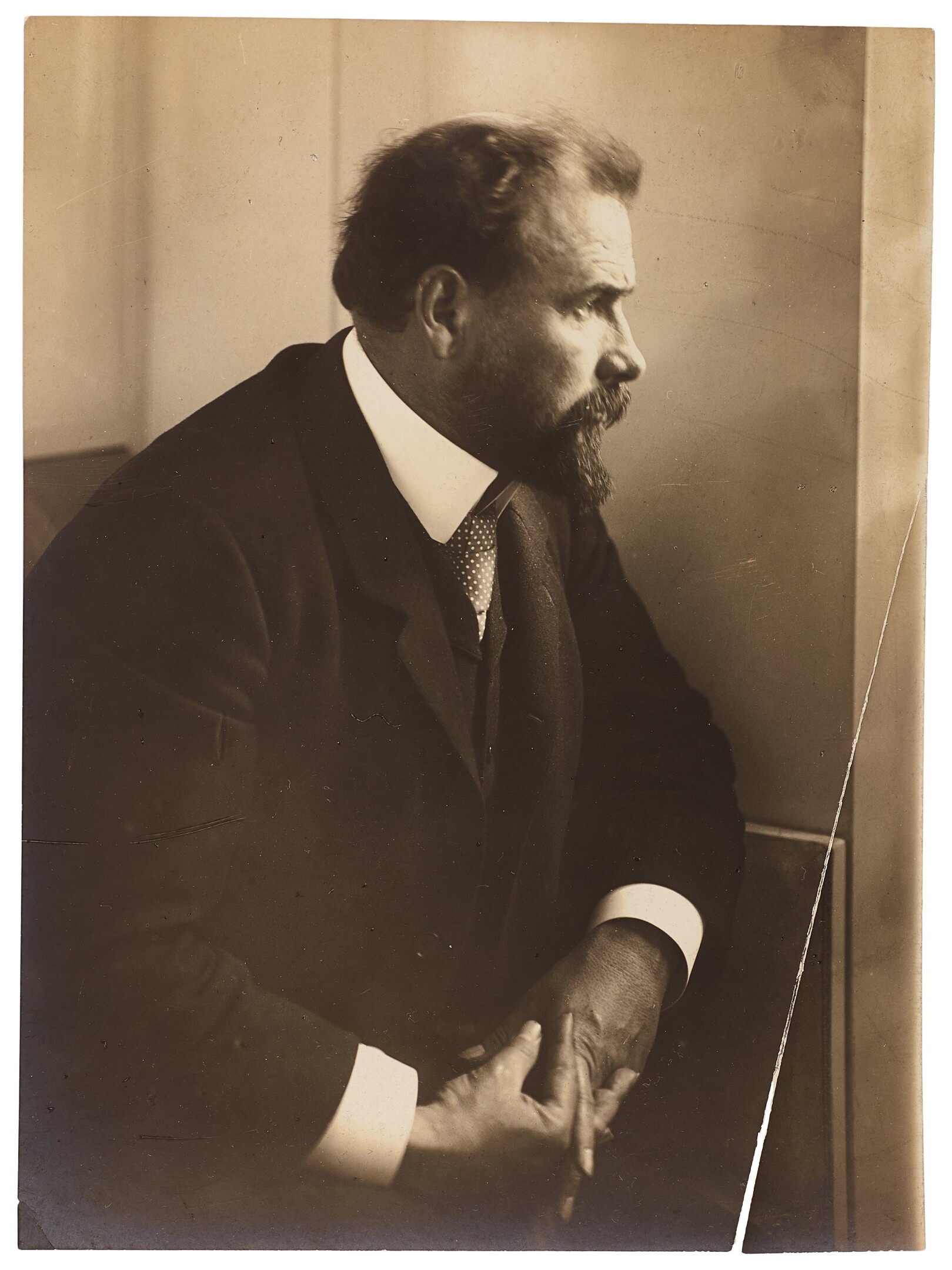
Klimt = Restitution?
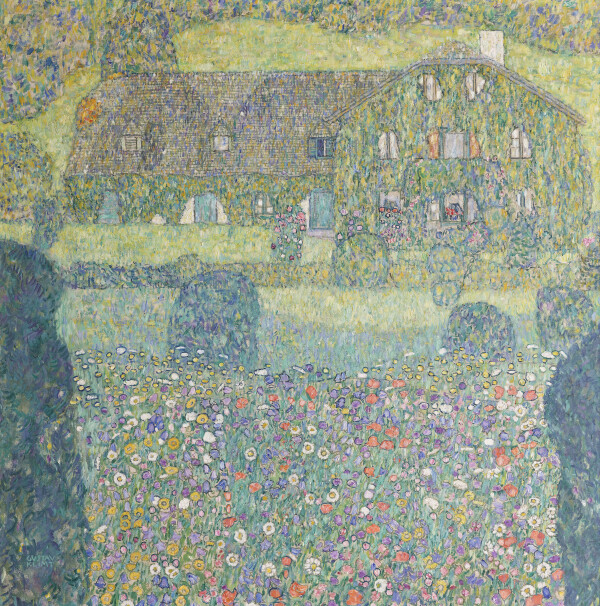
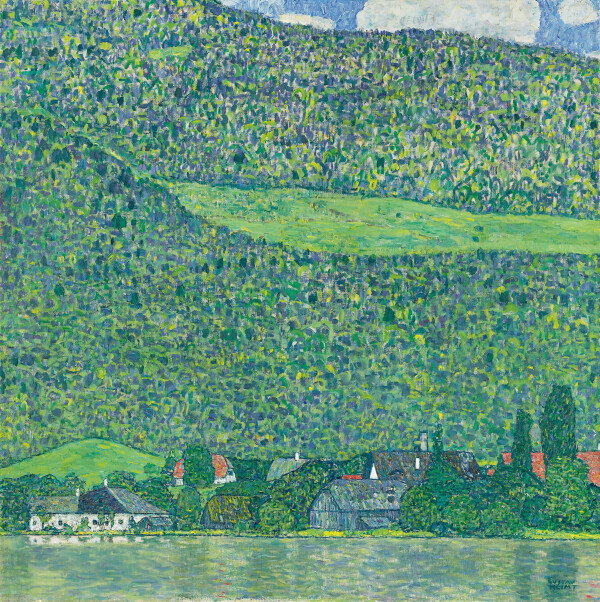
Gustav Klimt: Forester's House in Weissenbach on the Attersee I, 1914, private collection
© Belvedere, Vienna
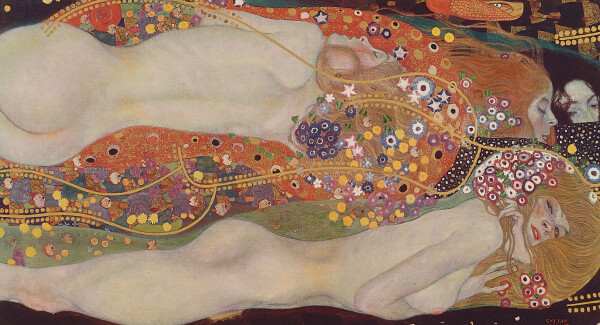
Gustav Klimt: Water Snakes II, 1904, private collection
© Klimt Foundation, Vienna
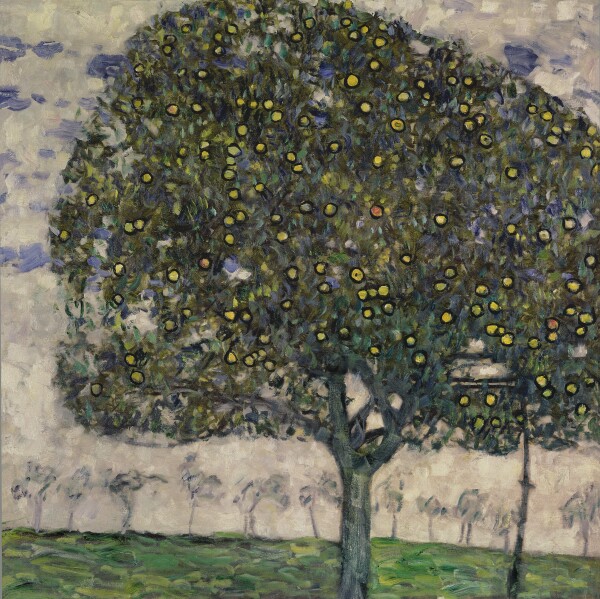
Gustav Klimt: Apple Tree II (Green Apple Tree), 1916, private collection
© Bridgeman Images

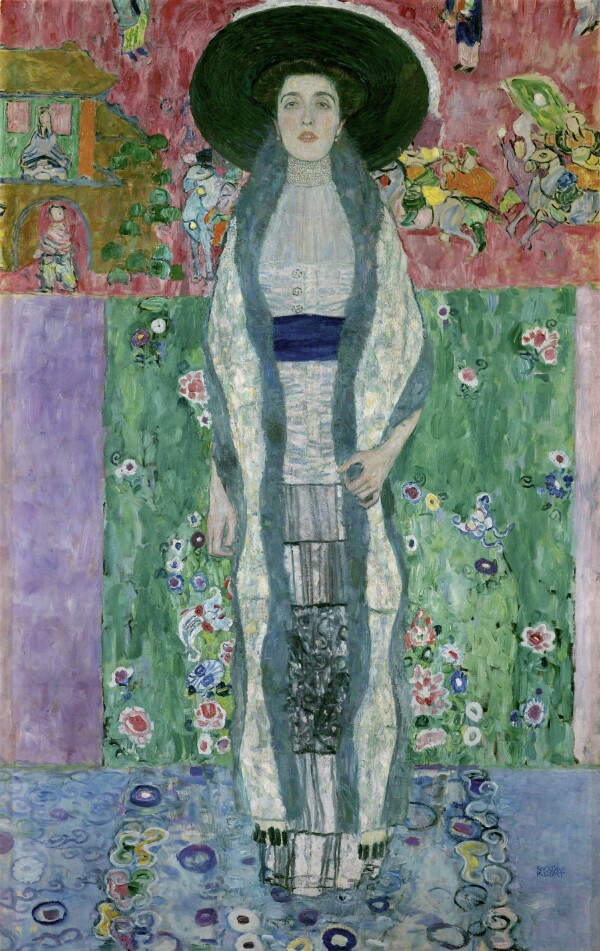
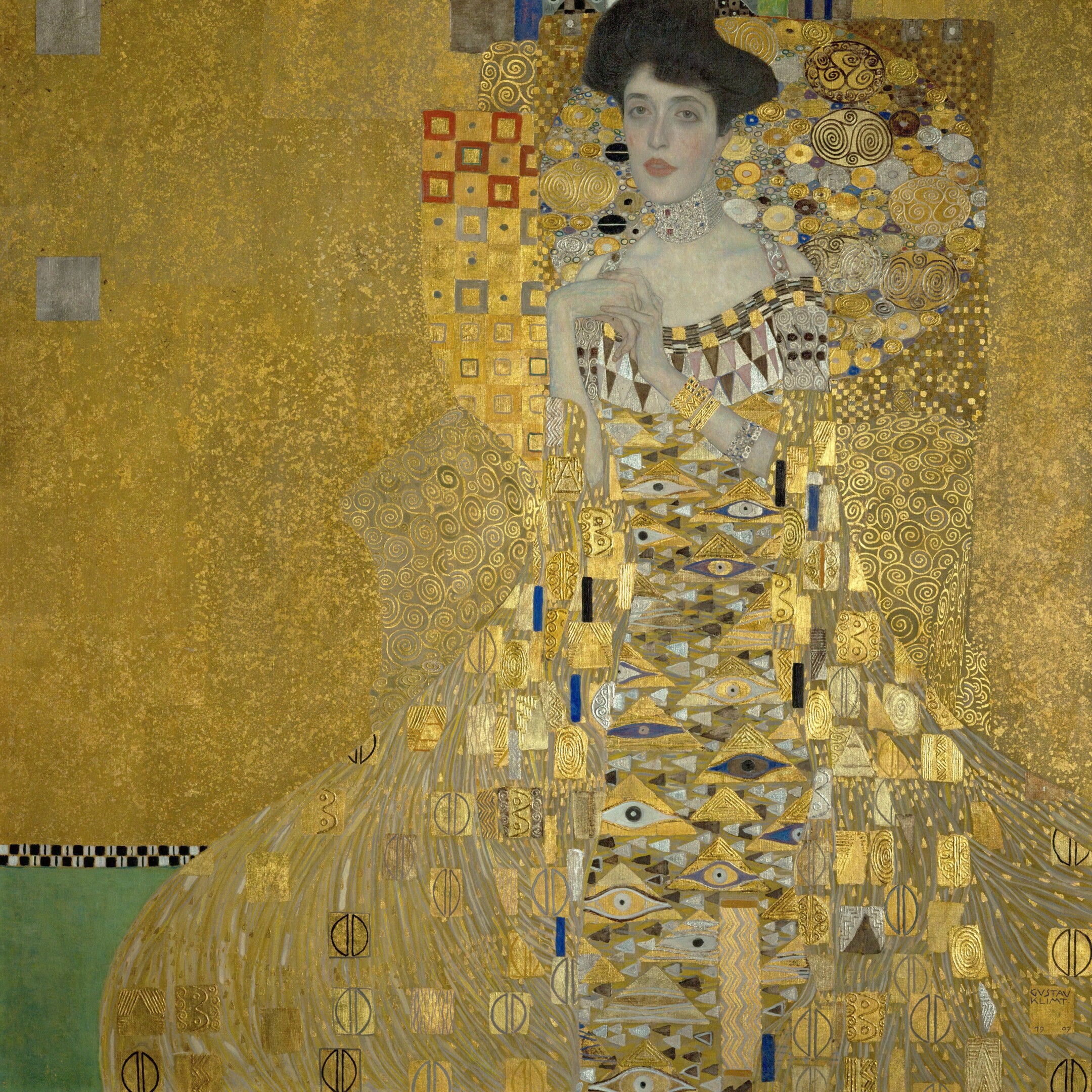
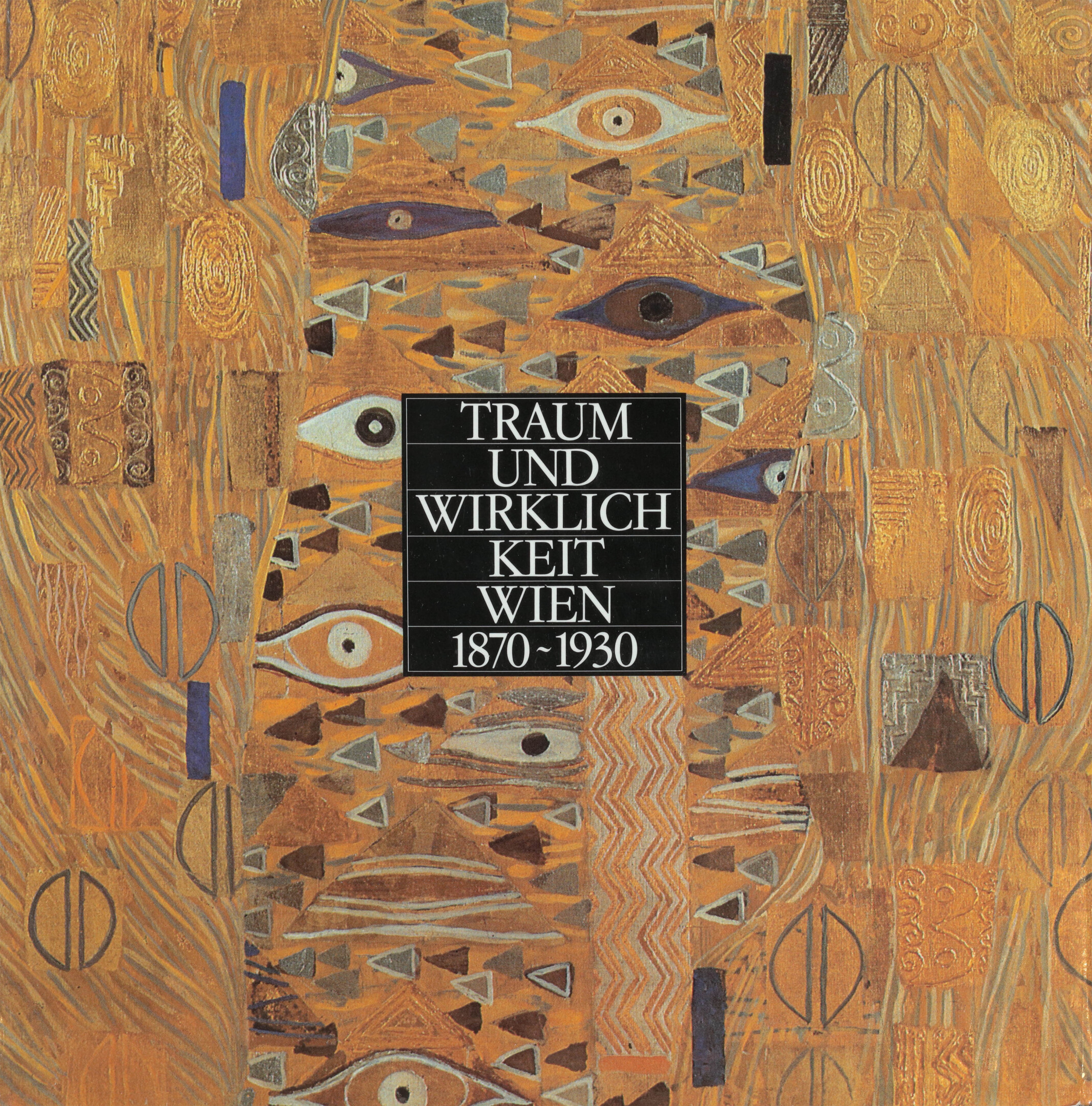
Gustav Klimt: Portrait of Adele Bloch-Bauer I, 1907, Neue Galerie New York, Acquired through the generosity of Ronald S. Lauder, the Heirs of the Estates of Ferdinand and Adele Bloch-Bauer, and the Estée Lauder Fund
© APA-PictureDesk
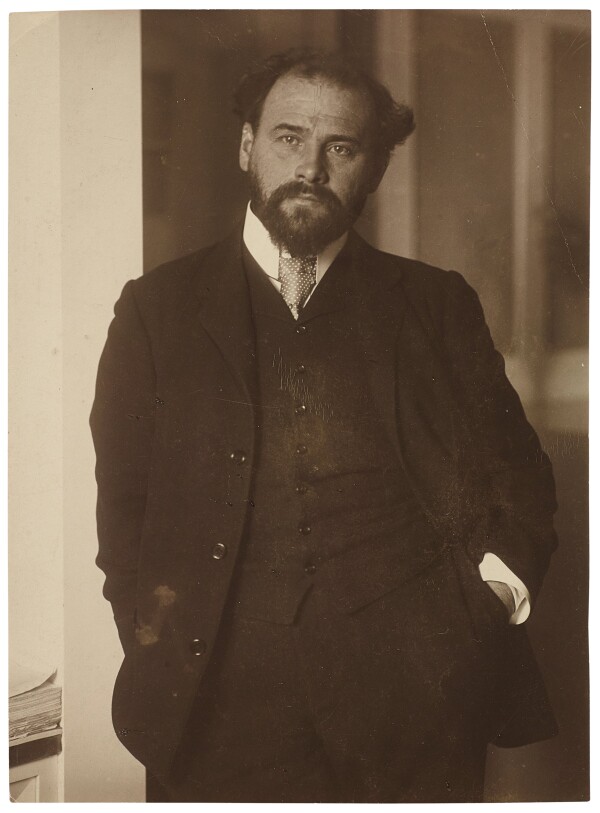
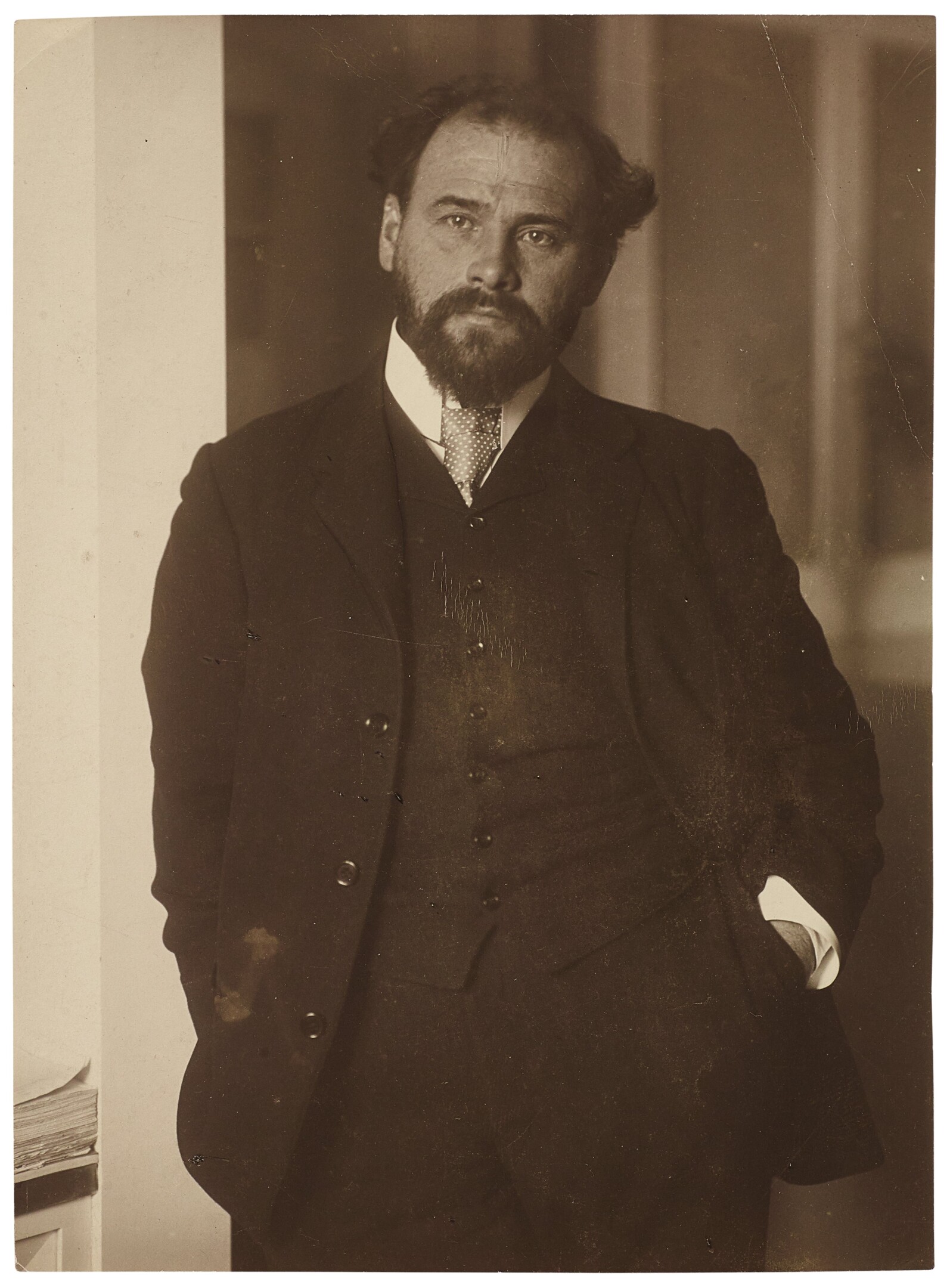
The most spectacular cases of restitution in Austria over the last twenty years have involved works by Gustav Klimt. His name is almost symbolic of art restitution, with “Golden Adele” as the perfect icon, as this opulent work, like no other, is emblematic of the treasures the National Socialists had stolen from Jewish owners.
With its 1998 Art Restitution Act, Austria is considered an international forerunner in the field of art restitution. This law provides for the in rem restitution of objects that were confiscated by the National Socialists and not returned after 1945. It relates exclusively to federal property, although some federal states and municipalities have introduced similar regulations, following the example of the federal government. Private collections are not subject to the Art Restitution Act. As an alternative to restitution in kind, attempts are made to reach an agreement by means of settlements and compensation payments. Although this is done on a voluntary basis, it is now a prerequisite for placing an object on the art market or for it to be lent to exhibitions.
A drawing by Gustav Klimt from the Albertina was handed over to the heirs of Siegfried and Irma Kantor in 1999, the very first year of the Austrian Art Restitution Advisory Board’s activities.
In 2000, the Österreichische Galerie Belvedere restituted Apple Tree II (Green Apple Tree) (1916, private collection) to the heirs of Nora Stiasny. Doubts as to whether Stiasny’s collection was the correct one were confirmed in 2017: the painting originally came from the Lederer Collection and should actually have been restituted to its heirs. To date, this is the only known case of restitution from an Austrian federal museum to the wrong heirs.
According to a decision of 10 October 2000, the heirs of Jenny Steiner received the painting Forester’s House in Weißenbach on the Attersee I (1914, private collection) from the Österreichische Galerie Belvedere. In 2013, a settlement was reached with the same heirs for the privately owned painting Water Snakes II (1904, reworked before 1908, private collection).
As with Apfelbaum II, paintings from the Österreichische Galerie Belvedere that had been donated by Gustav Ucicky were restituted, such as Farm House with Birch Trees (1900, private collection), which was returned to the heirs of Hermine Lasus in 2001, and Lady en face in a Pleated Dress (c. 1898, private collection), which went to the heirs of Bernhard Altmann in 2004. Portrait of Gertrud Loew (1902, The Lewis Collection), which had remained in Ucicky’s private collection, was the subject of an out-of-court settlement between the Klimt-Foundation and the heirs of Gertrud Felsövanyi in 2014.
Although the “Golden Adele” – Portrait of Adele Bloch-Bauer I (1907, Neue Galerie New York) – was state-owned, this painting was restituted in 2006 according to the ruling of an arbitration tribunal specifically set up for this purpose instead of following a decision by the Art Restitution Advisory Board.
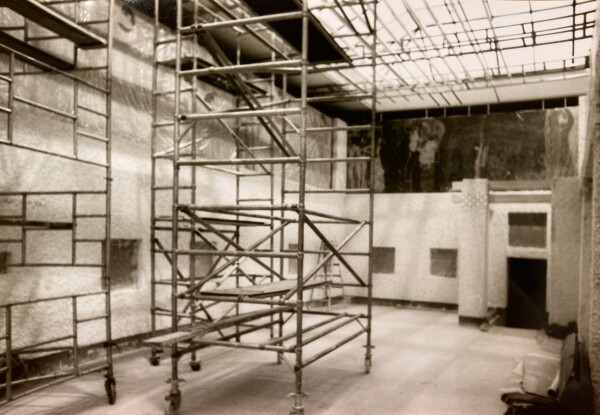
In 2015, the Beethoven Frieze (1901/02, Belvedere, Vienna) from the Serena Lederer Collection received almost as much media attention as “Golden Adele,” but was not restituted according to the decision of the Art Restitution Advisory Board. The works Portrait of Amalie Zuckerkandl (1913/14, unfinished, Belvedere, Vienna) and Poppies in Bloom (1907, Belvedere, Vienna) also remained in the Österreichische Galerie Belvedere, based on the Art Restitution Advisory Board’s relevant decisions.
This list is by no means complete, but it shows the importance of Gustav Klimt’s oeuvre in the policy and practice of restitution in Austria.