
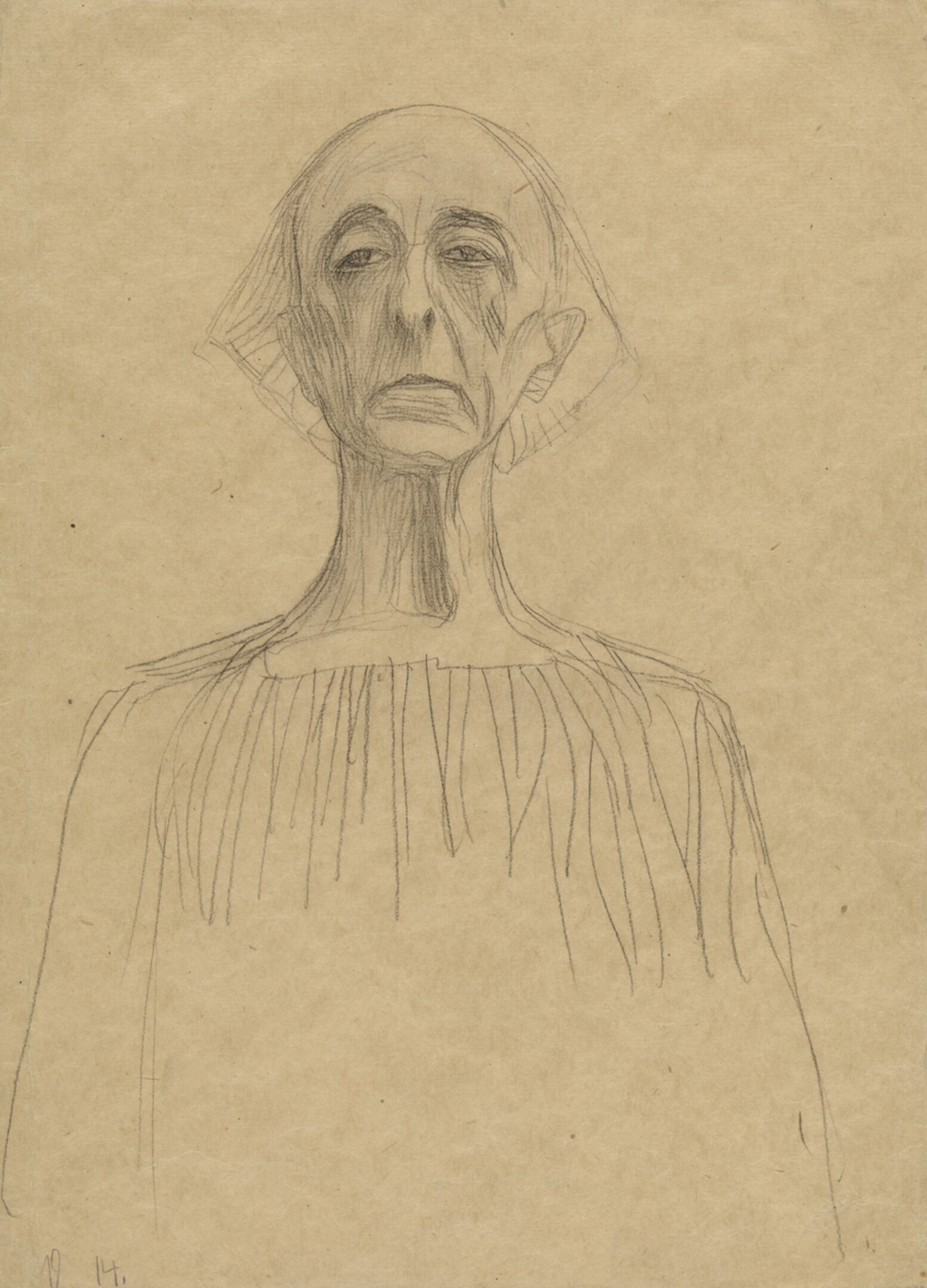
Allegories of Danger
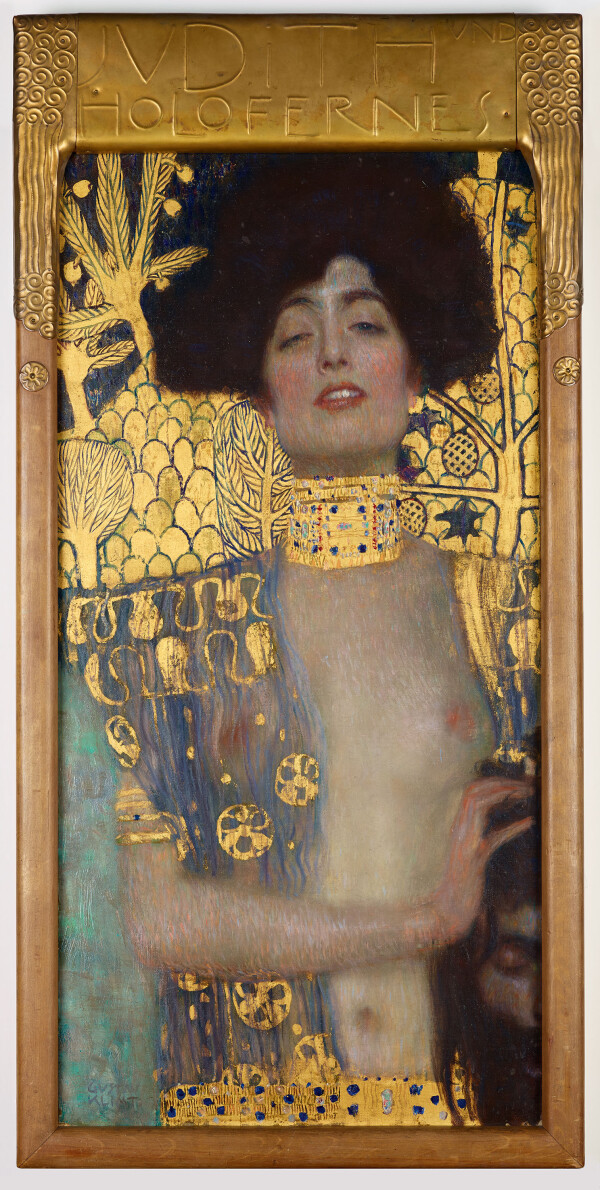
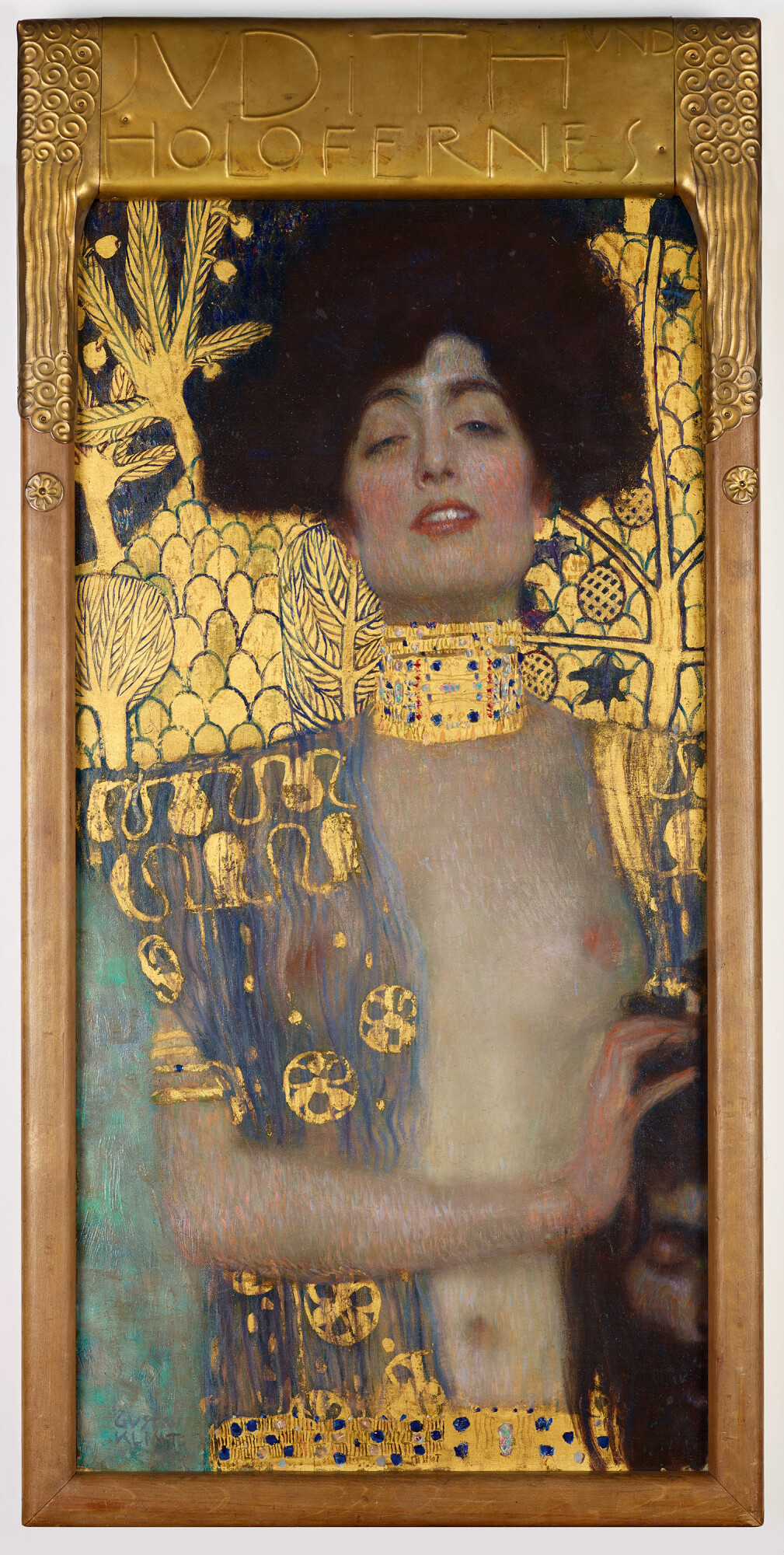
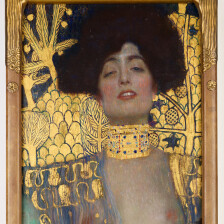
Gustav Klimt: Judith I, 1901, Österreichische Galerie Belvedere
© Belvedere, Vienna
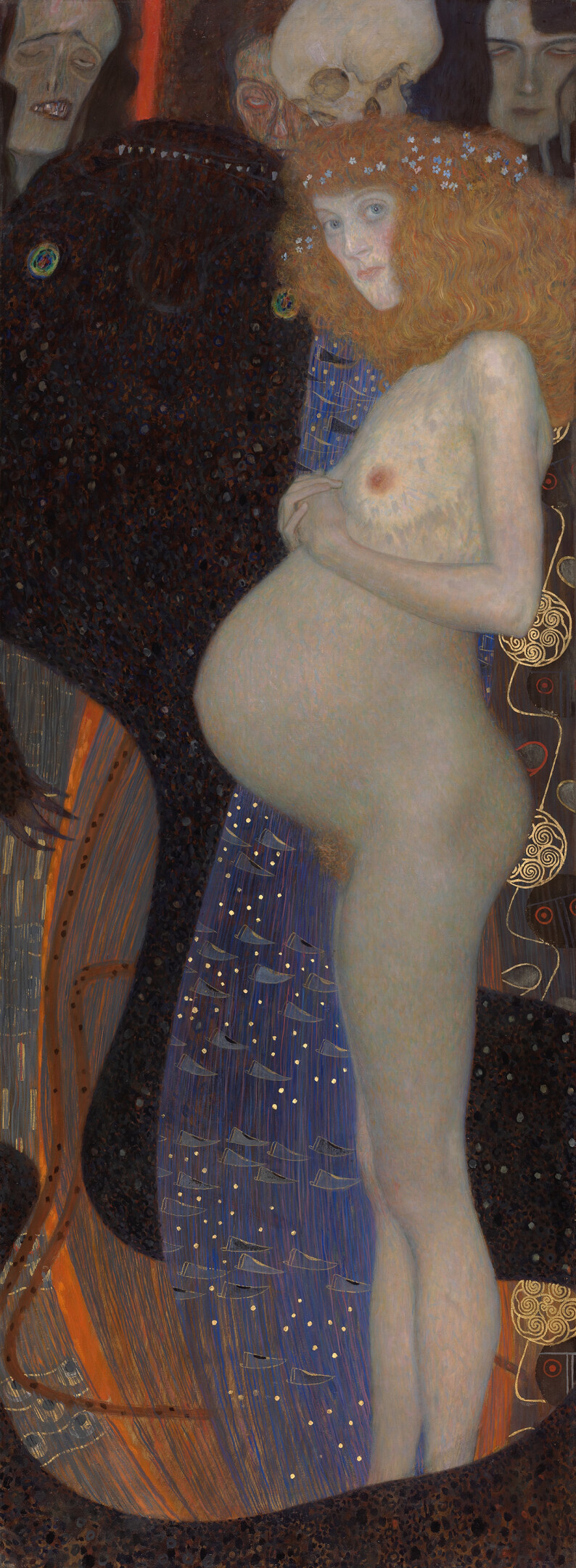
In his allegories dating from the beginning of the 20th century, Klimt dealt primarily with the subject of dark forces, personified by the wicked femme fatale, the knight and his eternal struggle, or the vision of Death. In 1903 he turned to the subject of death and life and the relationship between man and woman in Hope I.
Judith I
The painting Judith I (1901, Belvedere, Vienna) can be seen as a prime example of women shown as femmes fatales. It shows the heroine from the Old Testament with the head of the cruel commander Holofernes embedded in a shiny golden composition with oriental pictorial elements inspired by Assyrian reliefs. The focus is entirely on the female protagonist. The head of Holofernes, half of which is overlapped by the margin of the picture, has been assigned the function of a mere attribute. The feminine aspect is dominant, while the male component is literally marginalized.
The frame, designed by Klimt and inscribed “JUDITH UND HOLOFERNES,” can be seen as part of the composition in the sense of a Gesamtkunstwerk or total work of art. It was executed by Georg Klimt, the painter’s brother, who was a successful metal sculptor. Despite the fact that the protagonist can clearly be identified as Judith thanks to the inscription on the frame, her ambivalent portrayal as a seductive, erotic femme fatale led to her sometimes also being interpreted as Salome – virtuous Judith’s sinful counterpart in the Bible. The art critic Ostini thus remarked:
“For the splendid biblical figure of the slayer of Holofernes, this face is much too lustful and much too perverse. There is a slackness to it that comes not from the act [!] but from the pleasure.”
Klimt’s depiction thus oscillates between triumphant, heroic patriot and sexually dominant, mantis-like killer of men. Sketches in the so-called Red Sketchbook (1898, Belvedere, Vienna), which was once in the possession of Sonja Knips, show that Klimt deliberately heightened the aspect of eroticism by emphasizing the lips and navel. What is crucial here is above all the transposition of time-honored iconographic themes and their simultaneous incorporation in contemporary history. As early as 1903, Felix Salten recognized Klimt’s ability to update mythological figures by seeing in Klimt’s Judith a beautiful Jewish ‘jourdame.’”
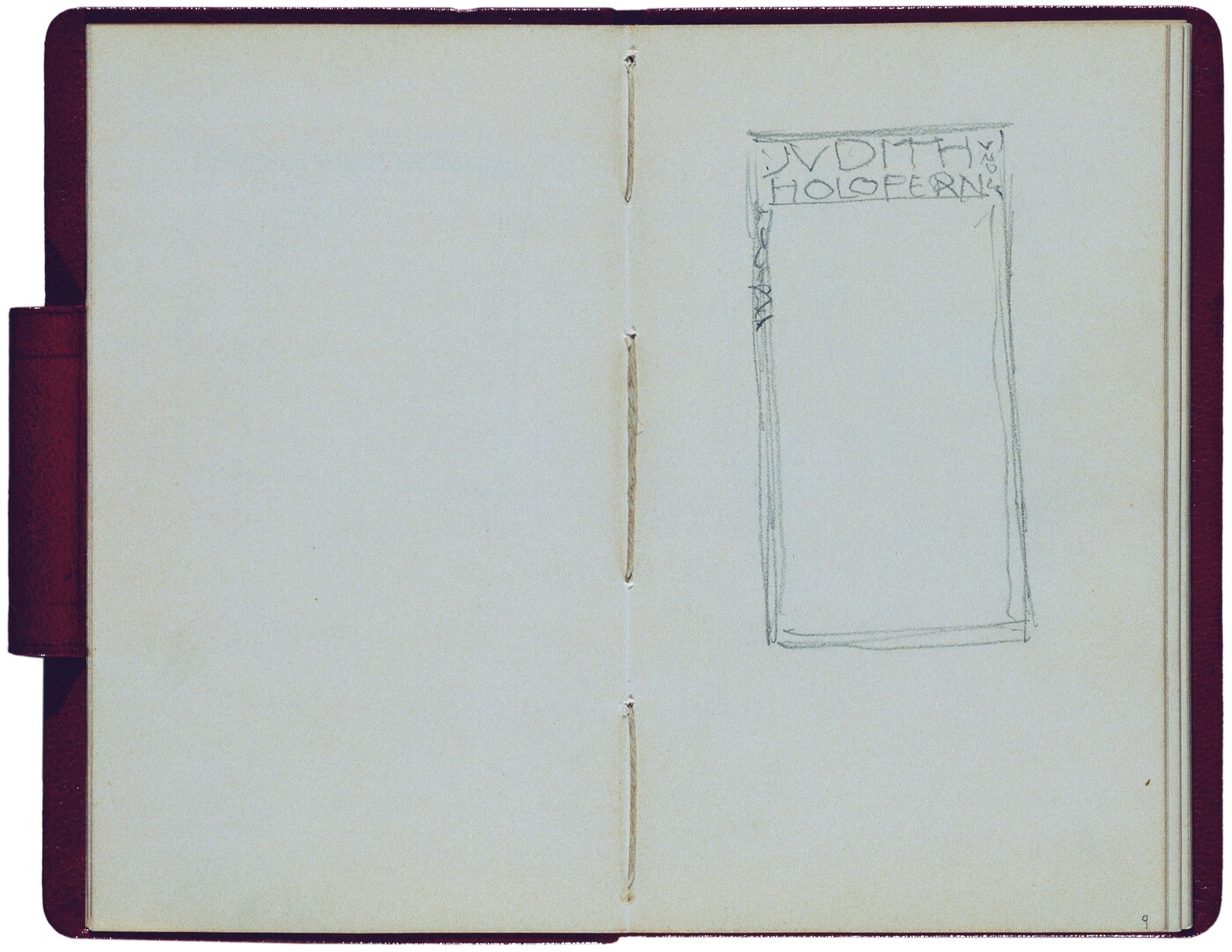
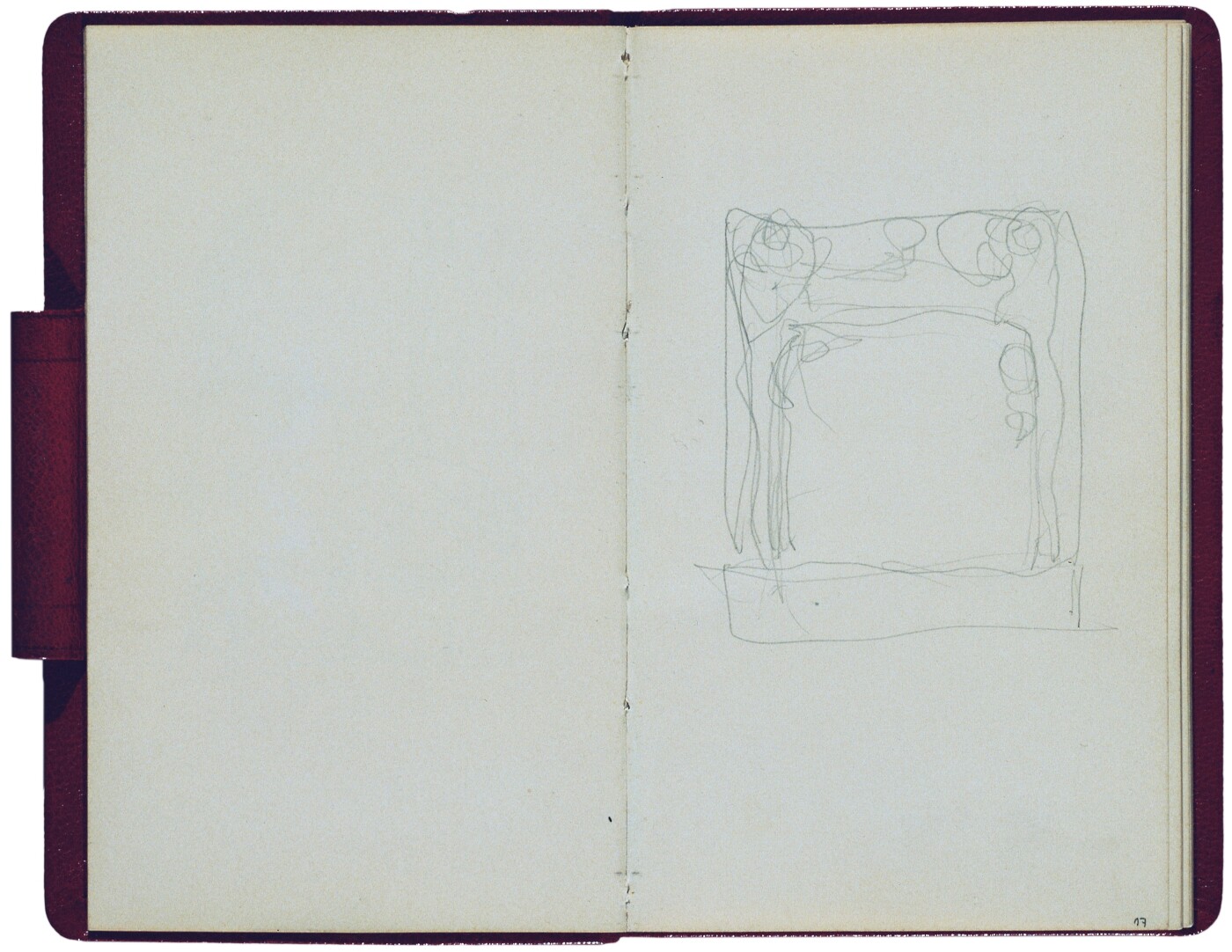
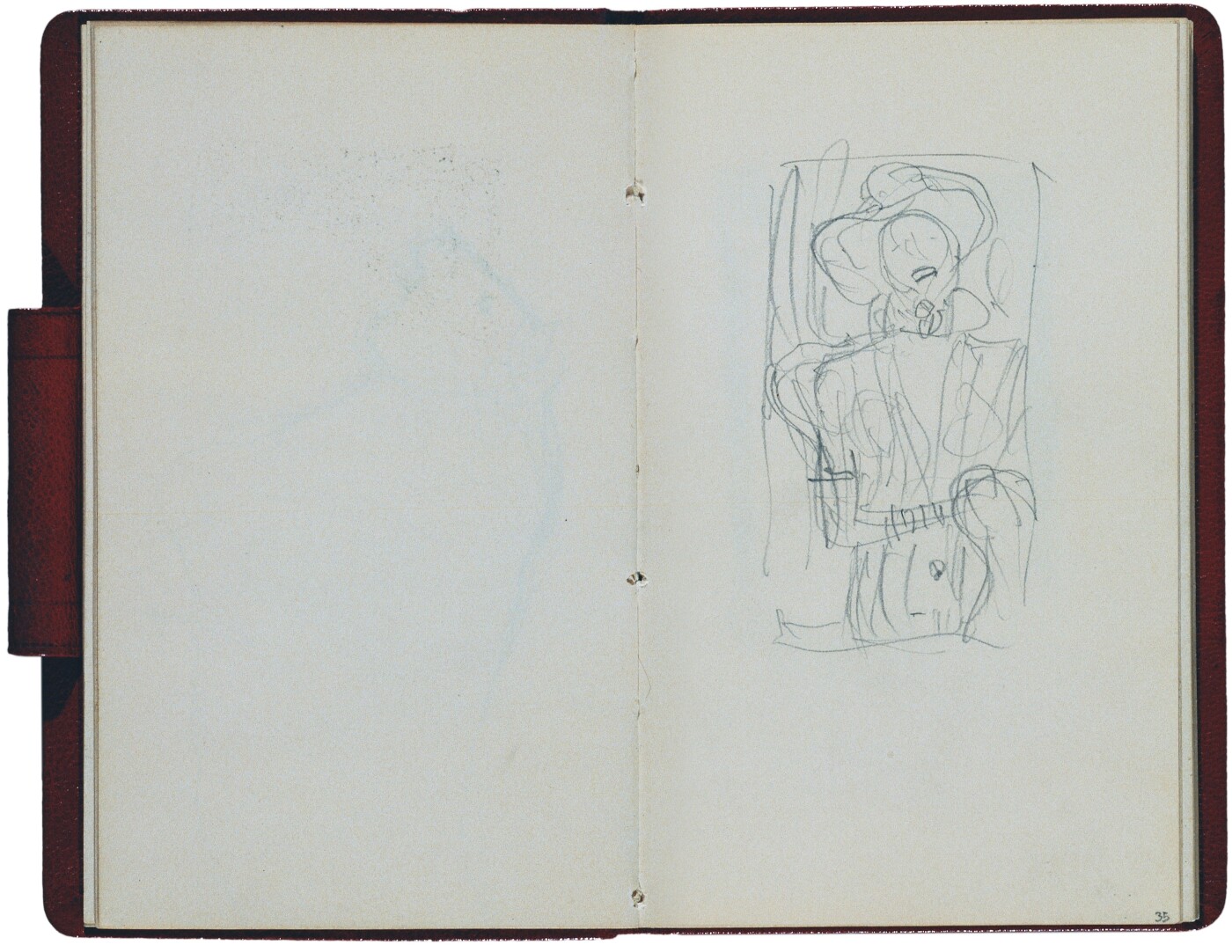
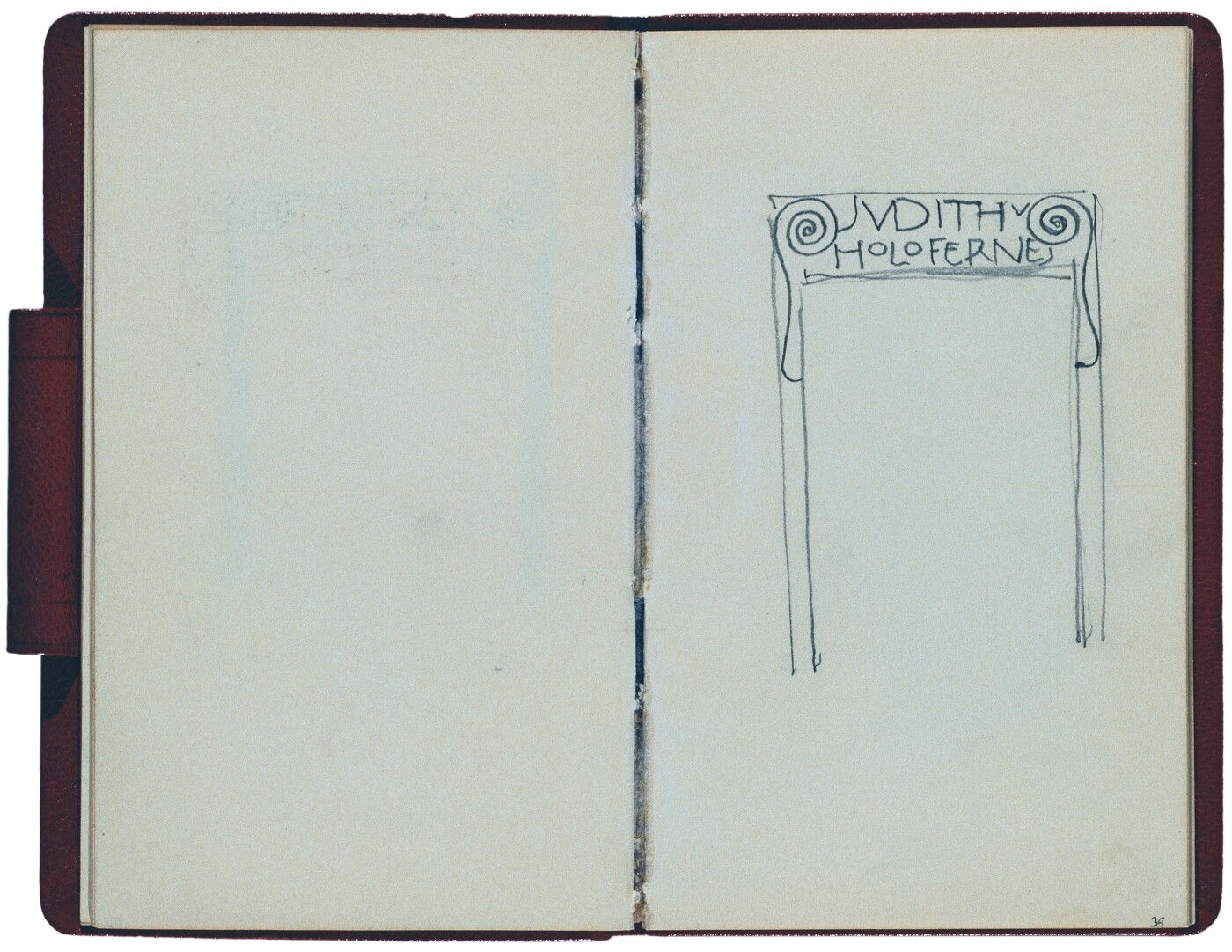
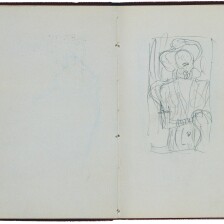
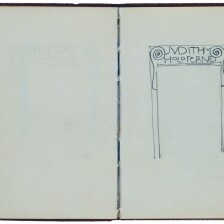
With his interpretation of Judith, Klimt followed in the footsteps of various writers and artists of the fin de siècle – above all Friedrich Hebbel – who associated their idea of the modern, sexual woman dominating men with the figure of Judith. With his Judith I, Klimt positioned himself stylistically in the midst of the international discourse around Symbolism and Décadence. One of his inspirations from the field of painting was certainly Franz Stuck’s series revolving around his work The Sin (c. 1893, Neue Pinakothek, Munich), in which Stuck establishes the principle of the seductive woman who, in her obvious sexuality, is also always surrounded by an air of danger. This is picked up by Klimt in his own interpretation of Judith.
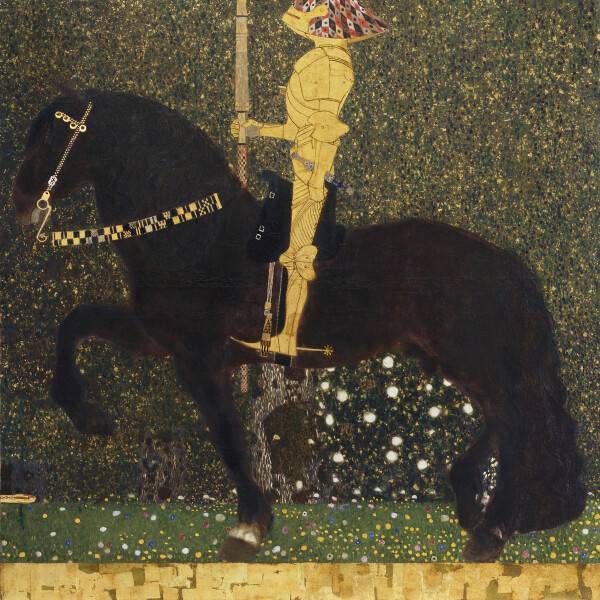
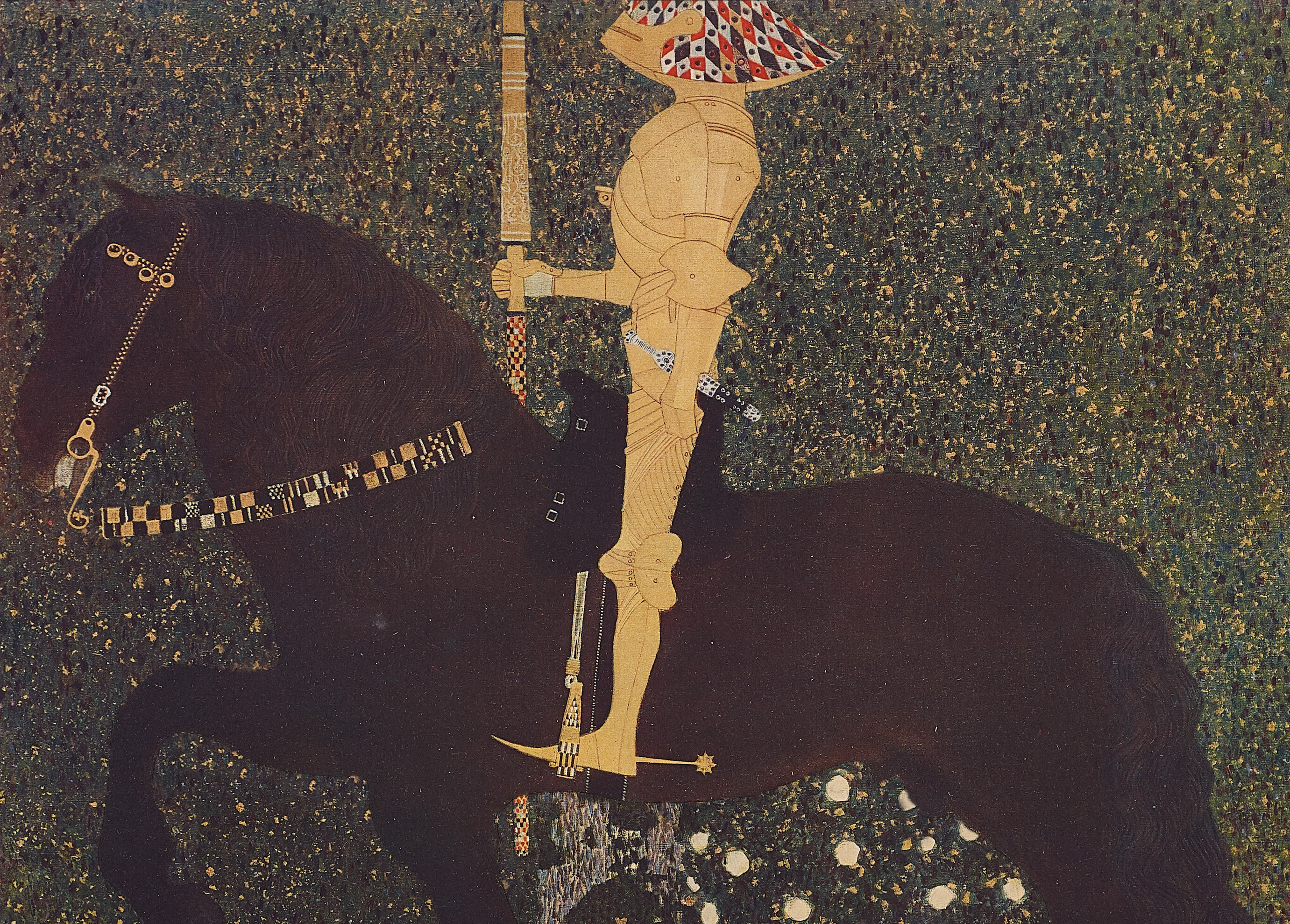
Gustav Klimt: The Golden Knight (Life a Battle), 1903, Aichi Prefectural Museum of Art
© Aichi Prefectural Museum of Art, Nagoya
The Golden Knight
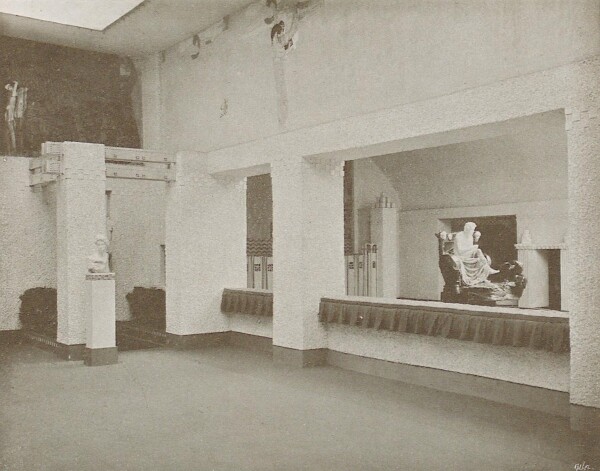
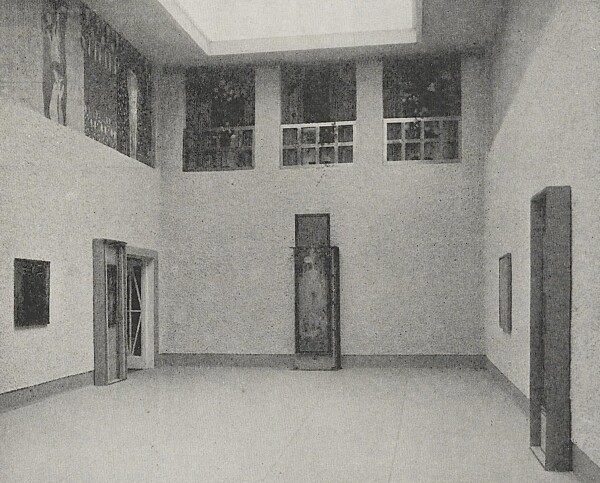
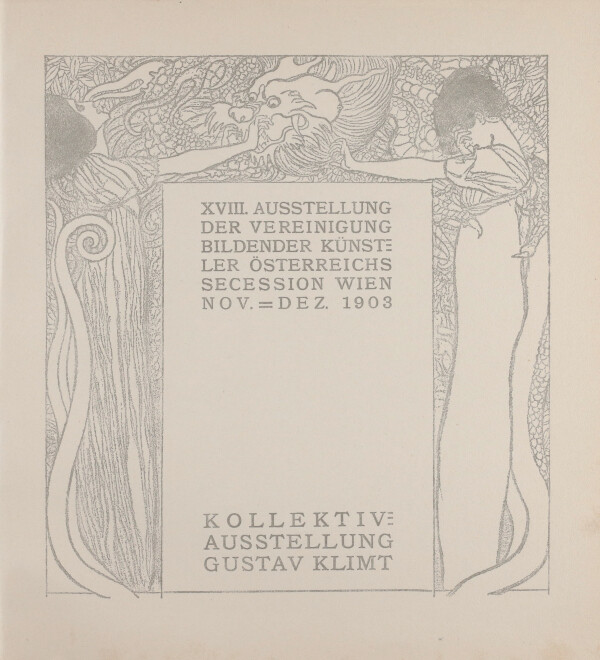
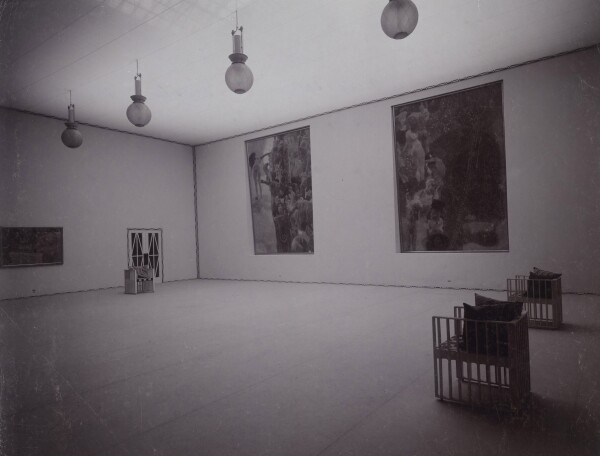
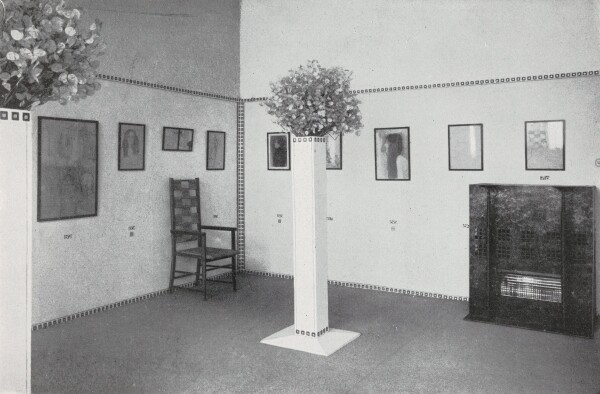
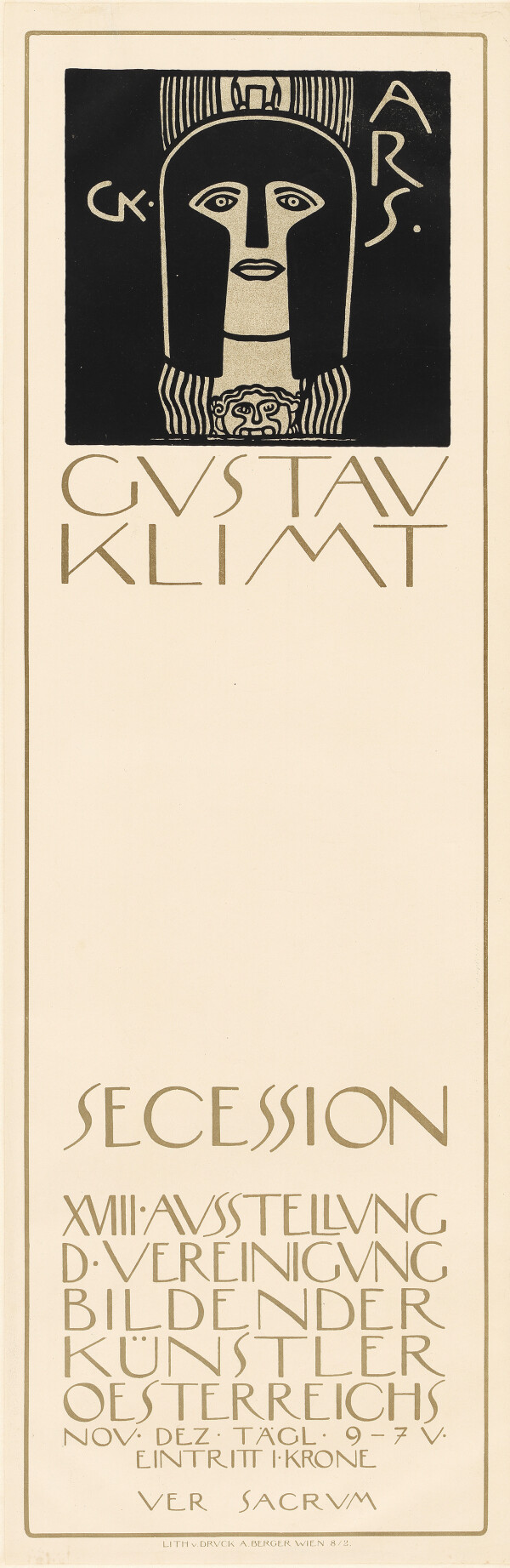
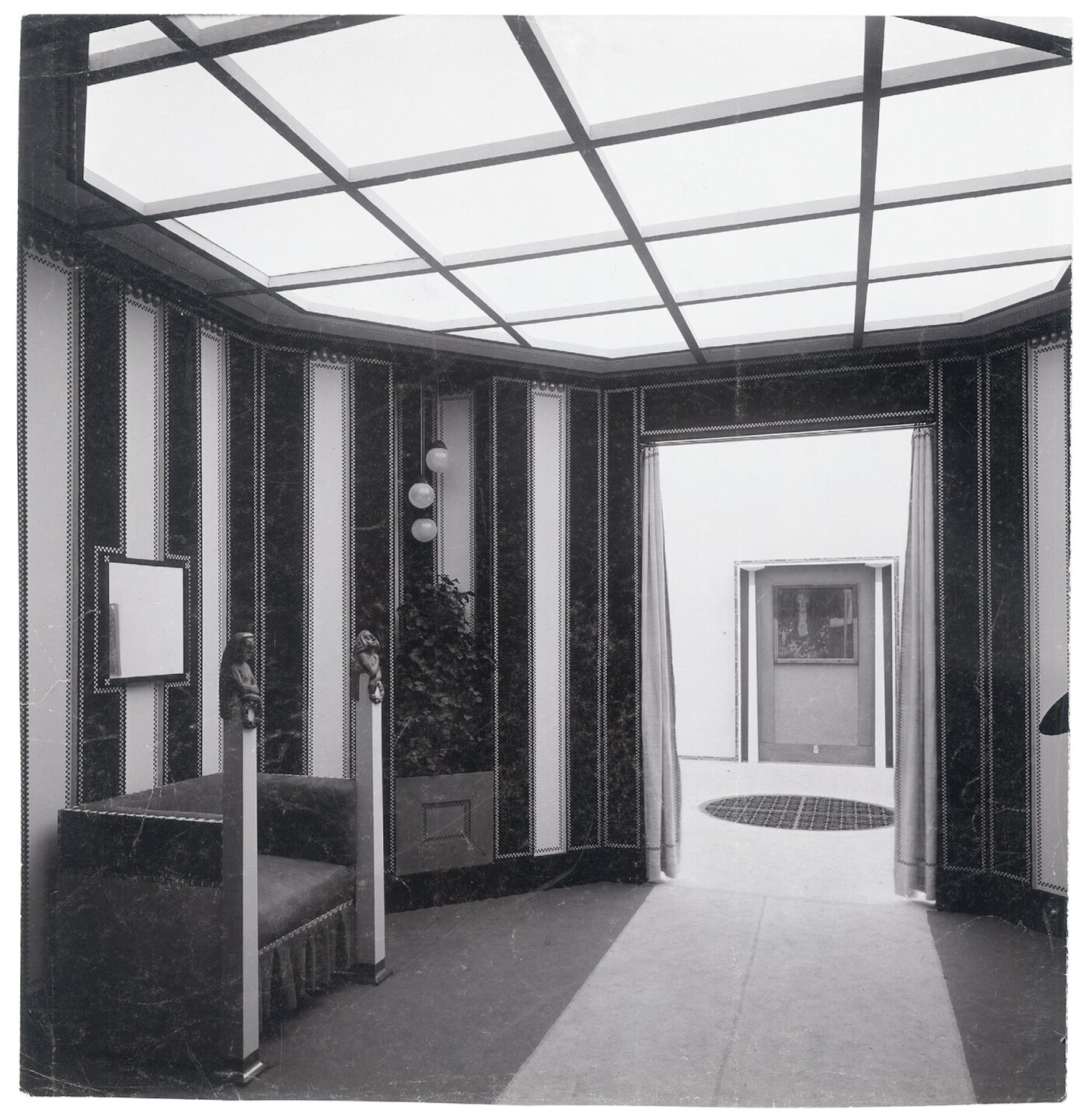
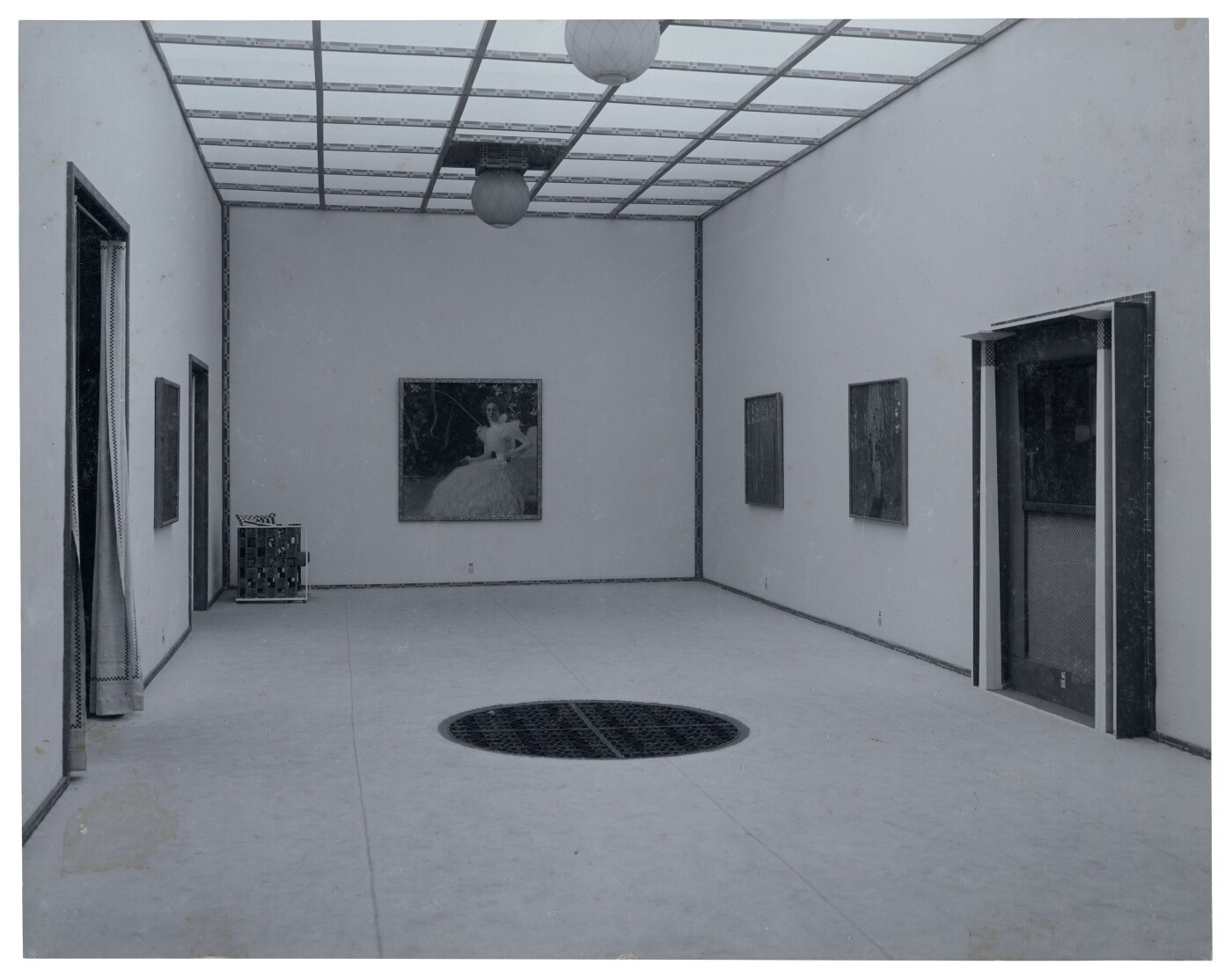
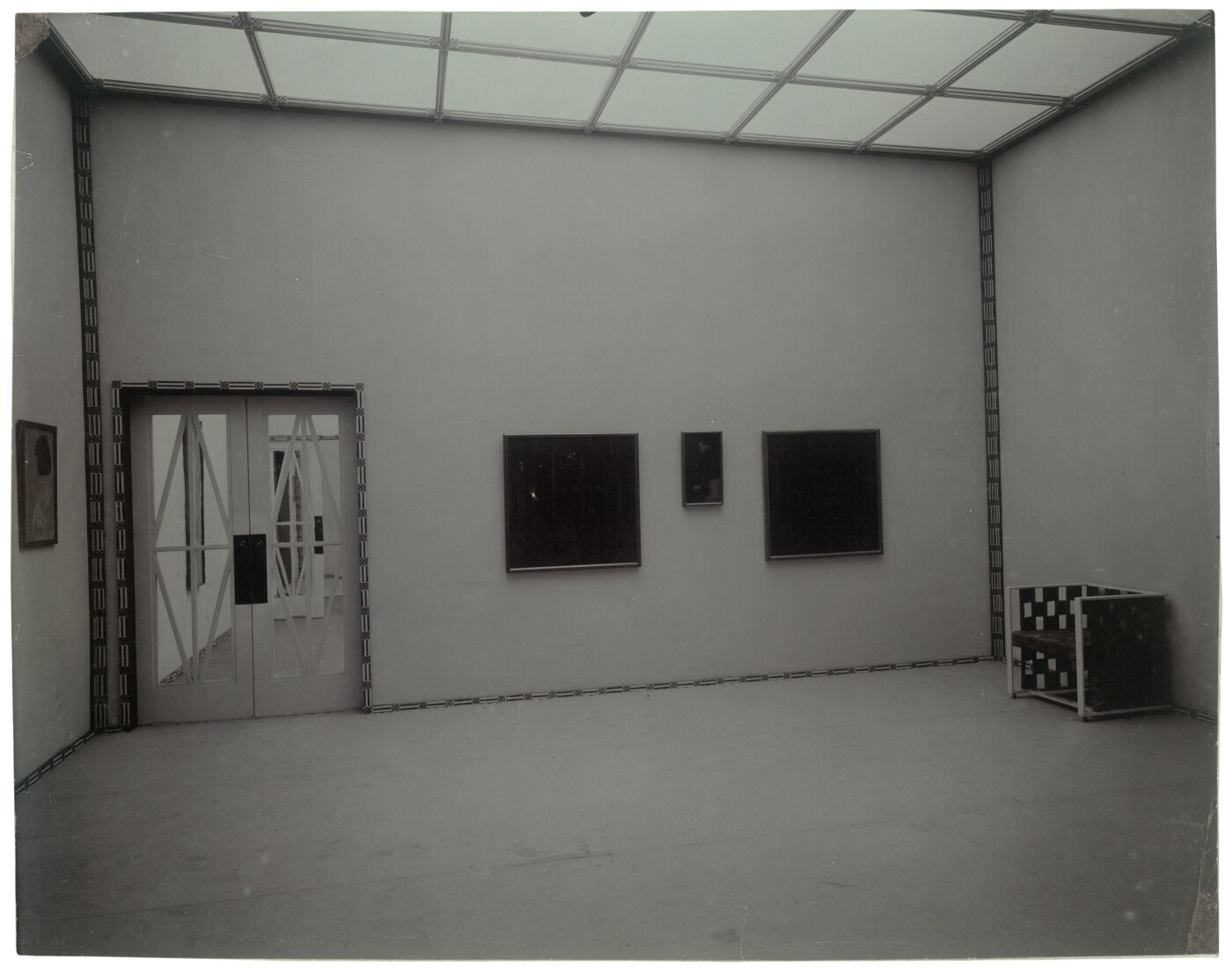
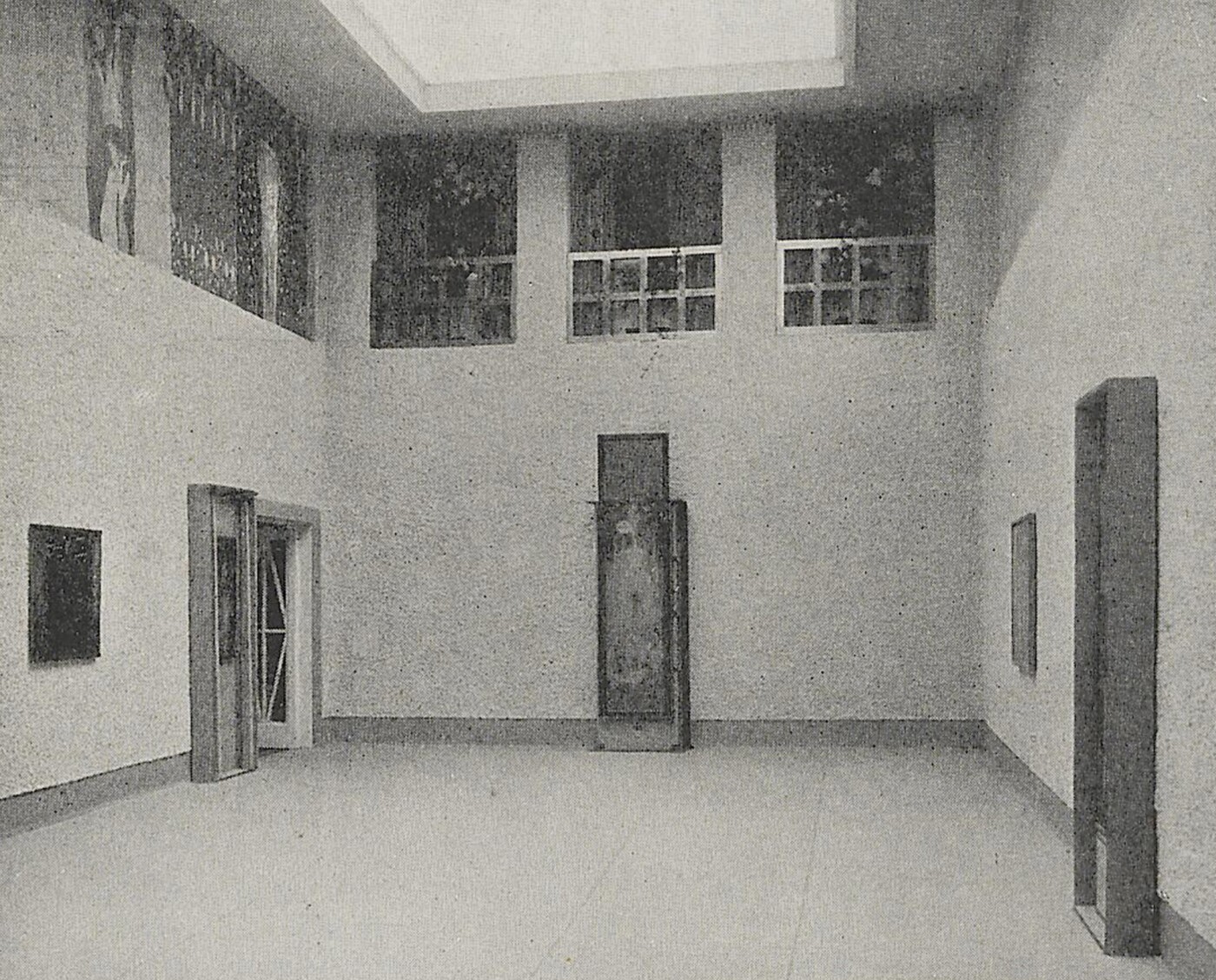
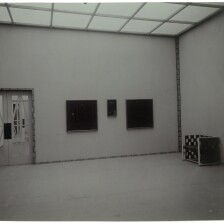
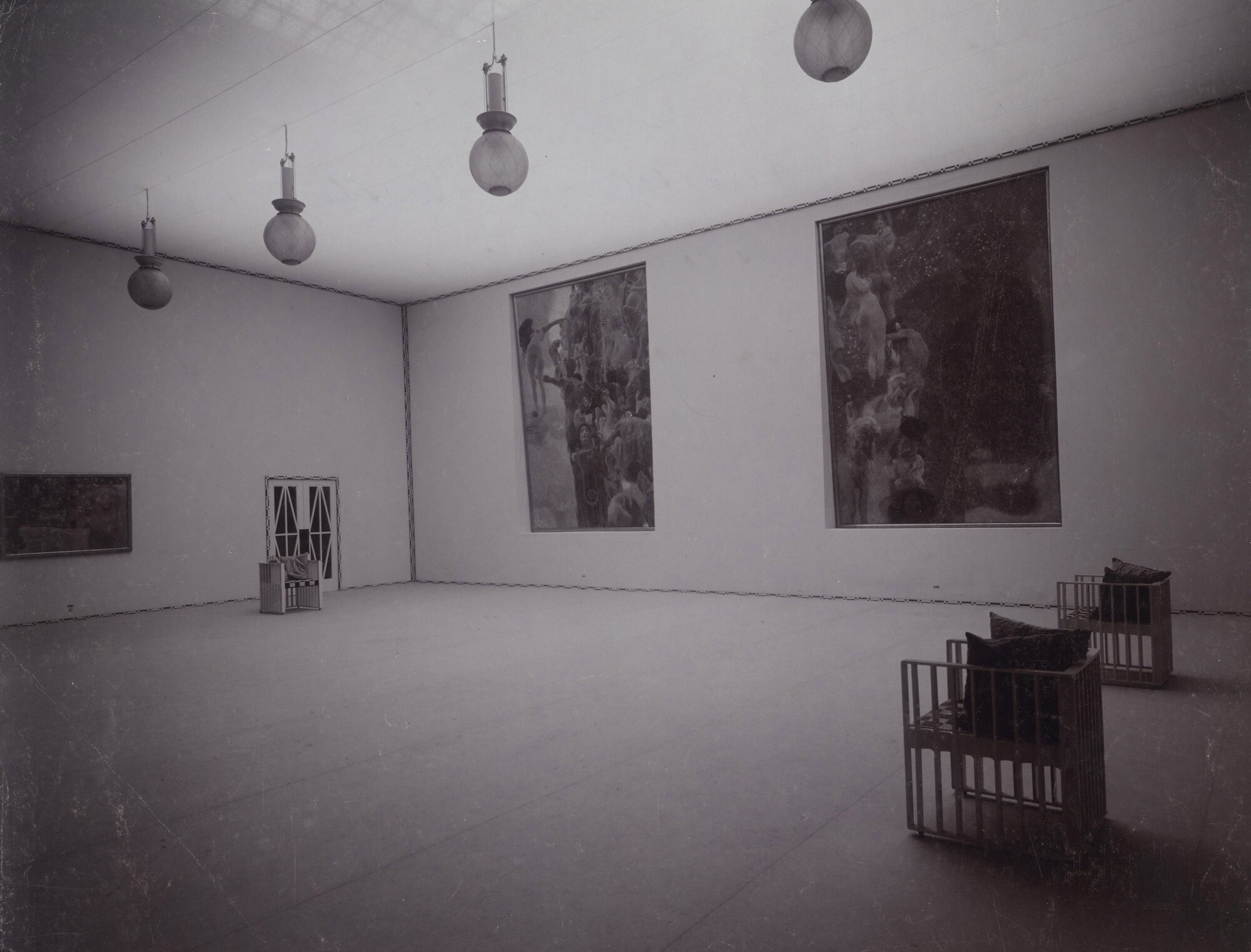
The “Kollektiv-Ausstellung Gustav Klimt” [“Gustav Klimt Collective Exhibition”], which took place at the Secession from late 1903 to early 1904, presented another two new allegories by Klimt.
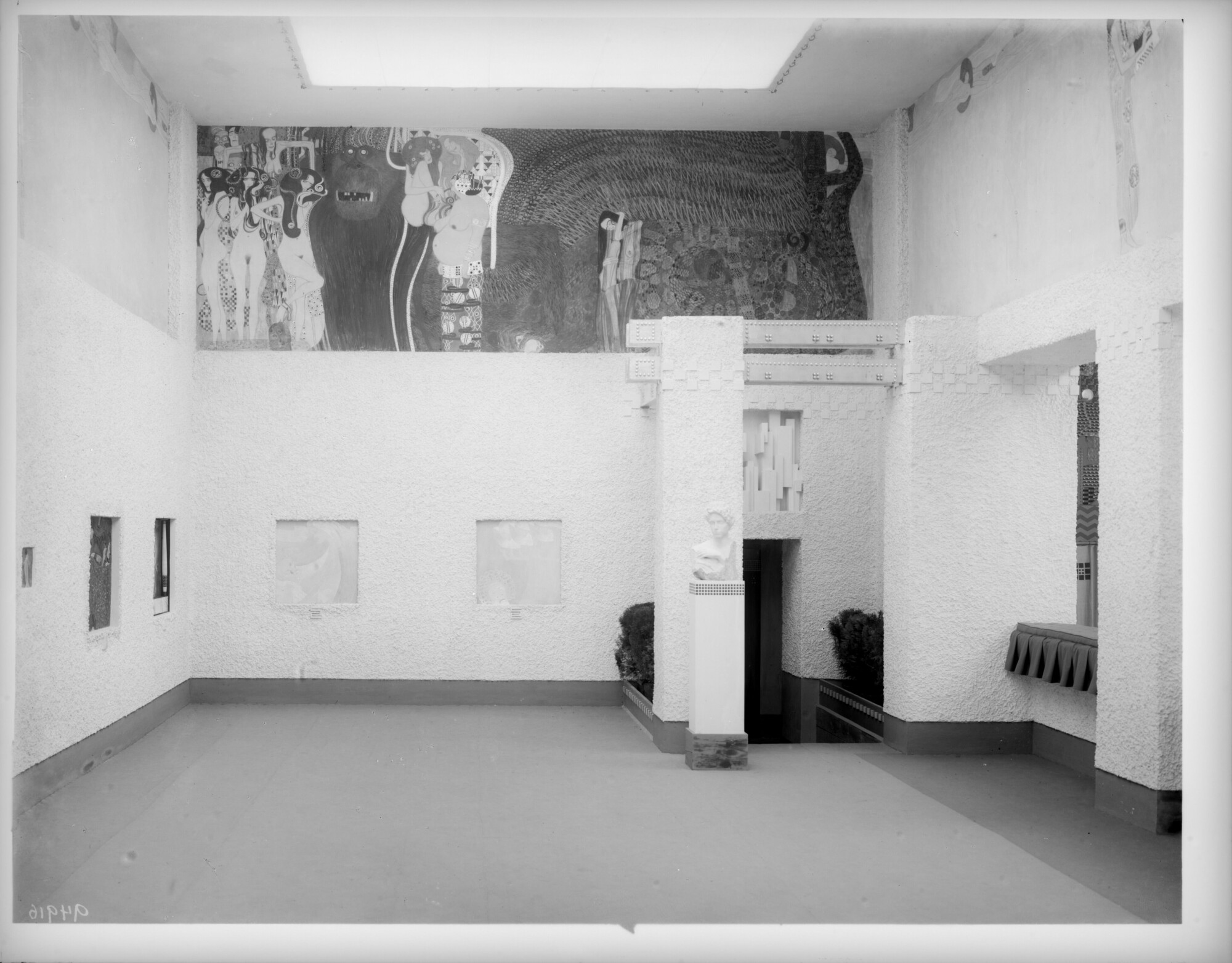
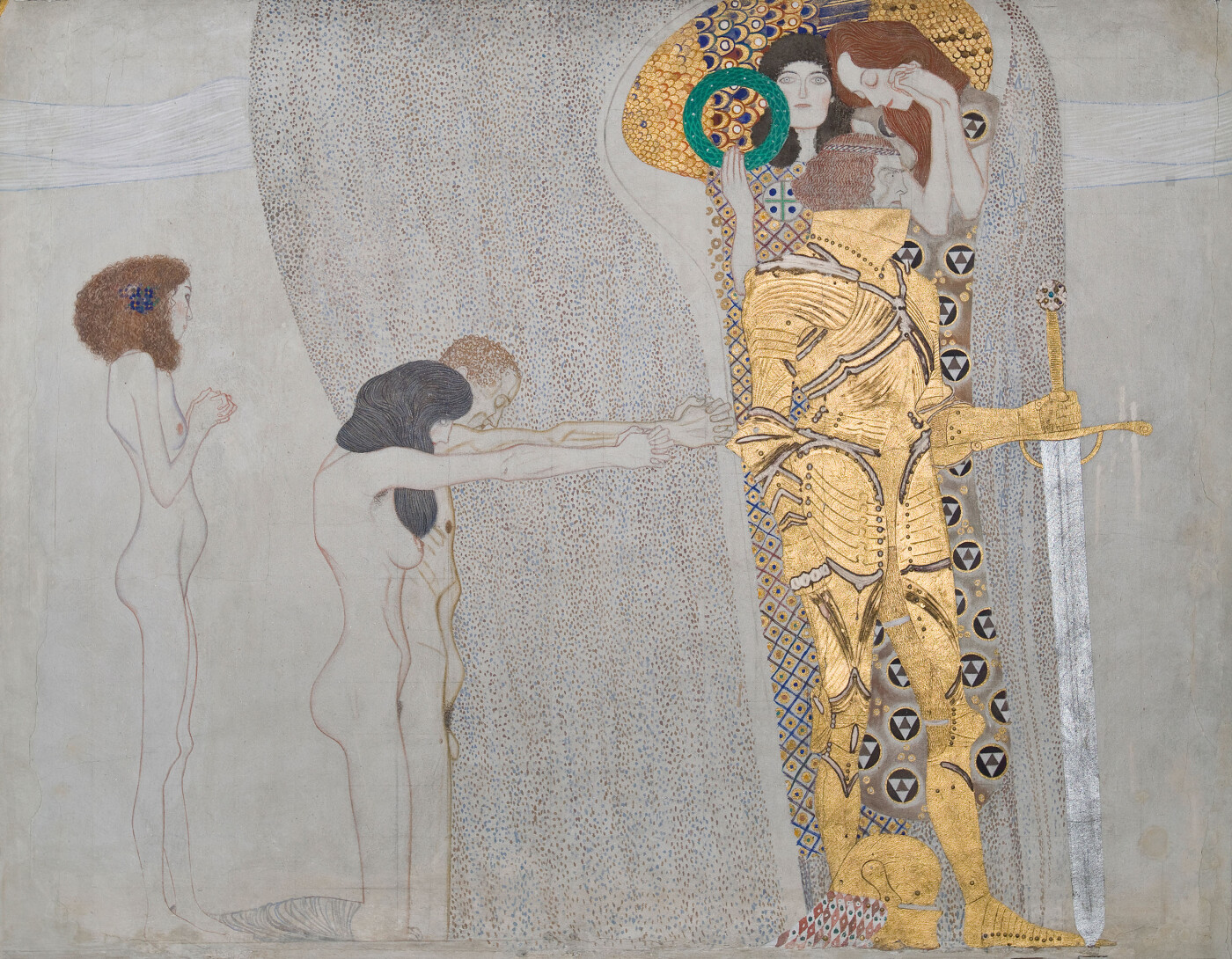
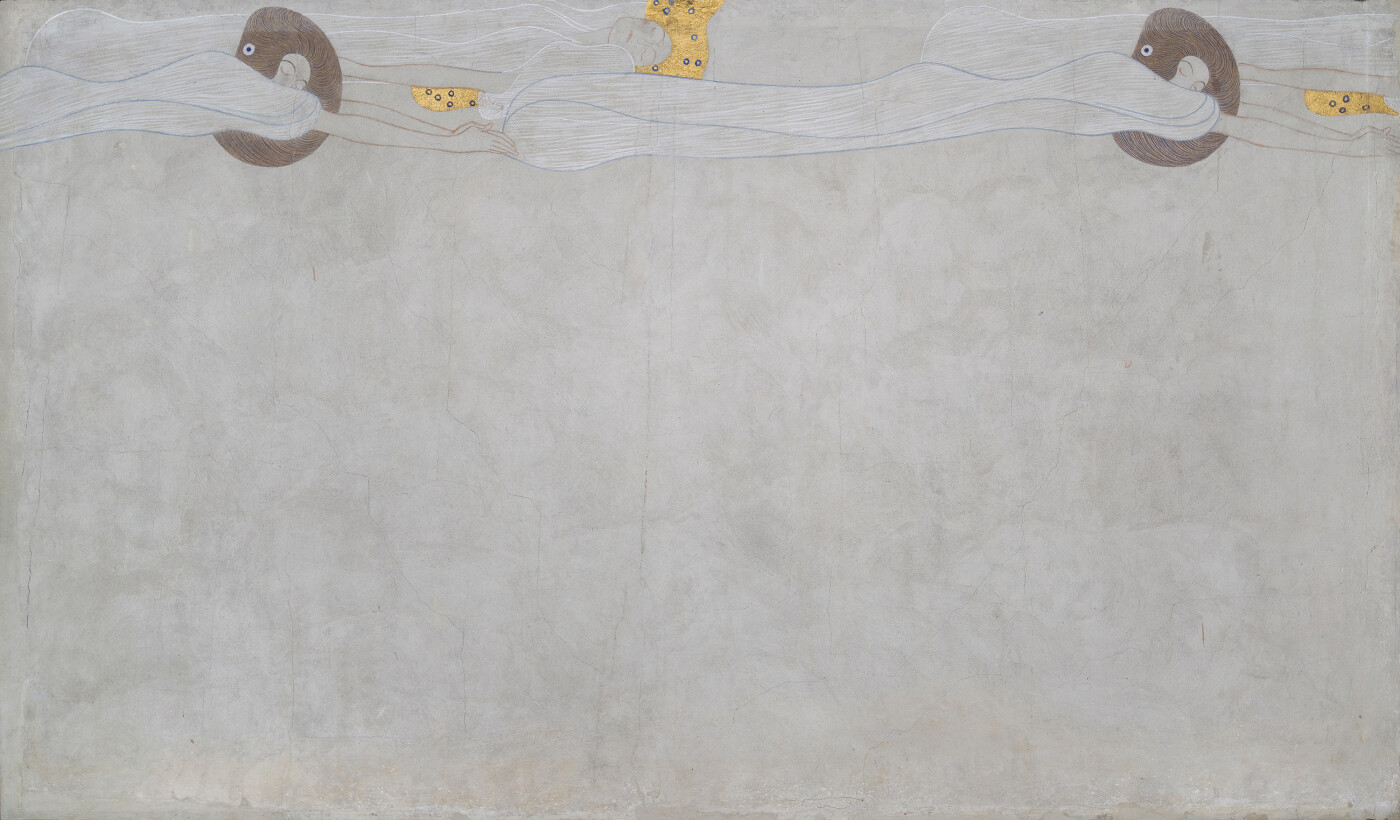
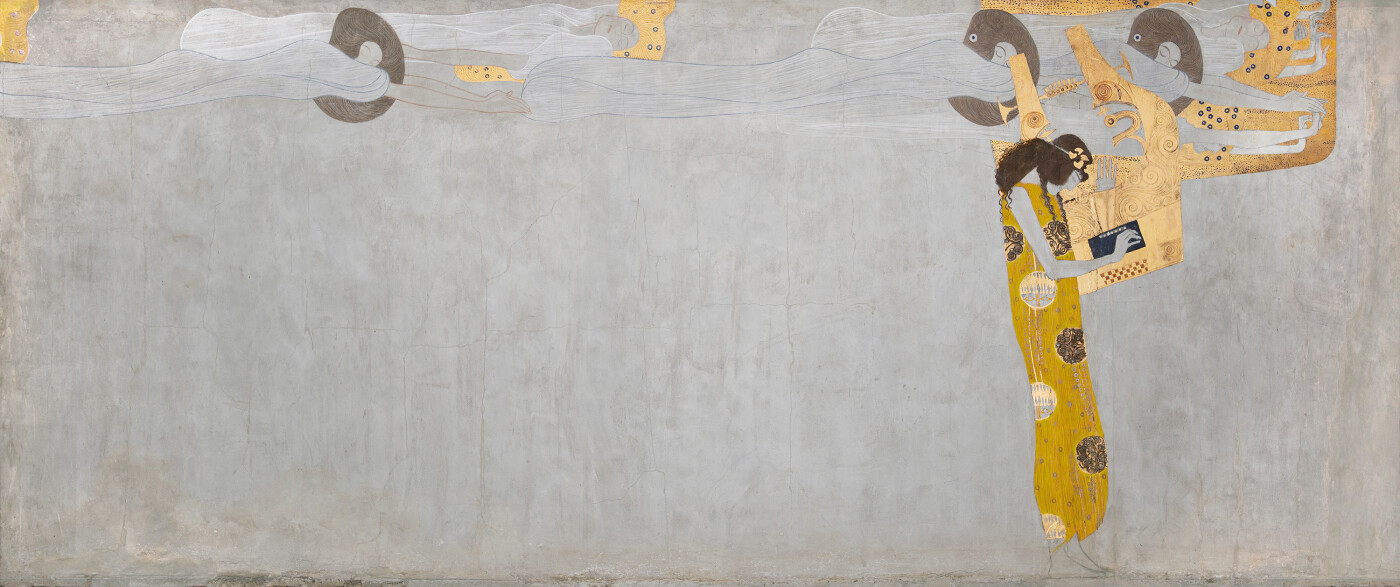
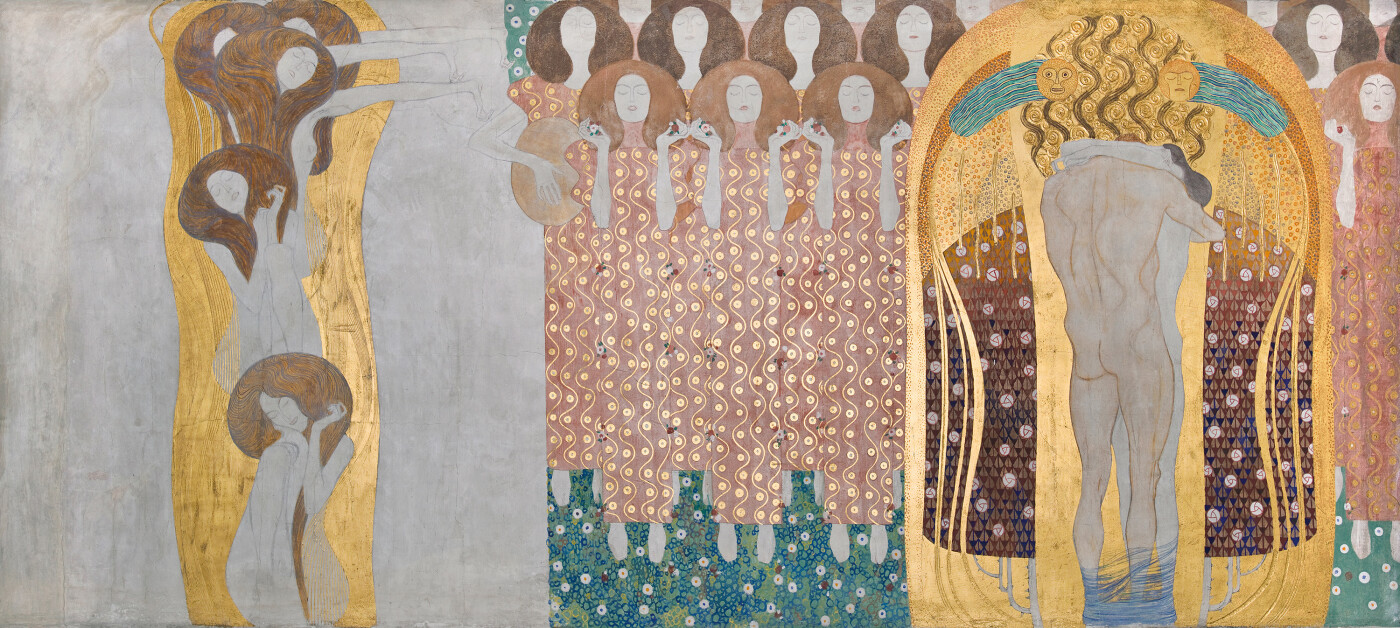
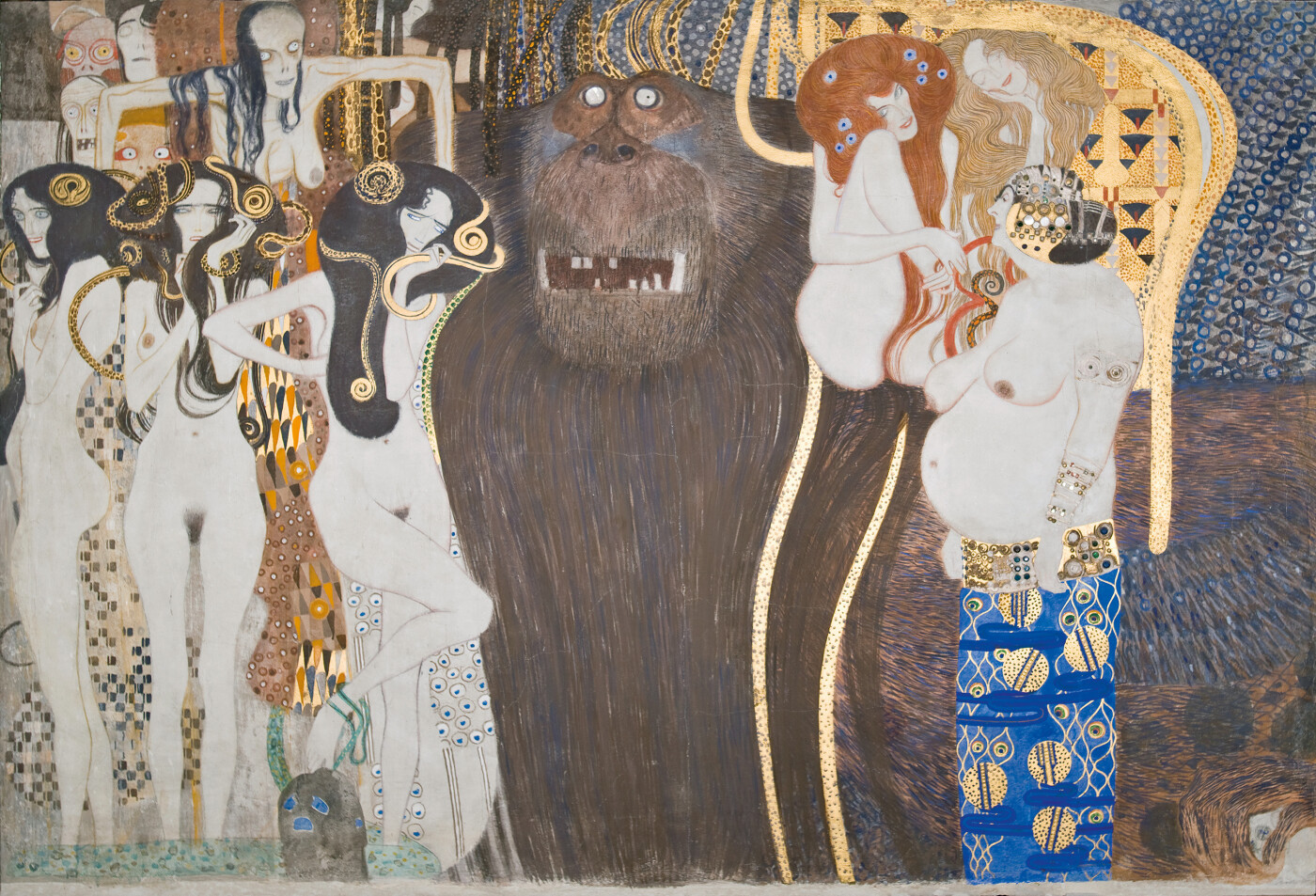
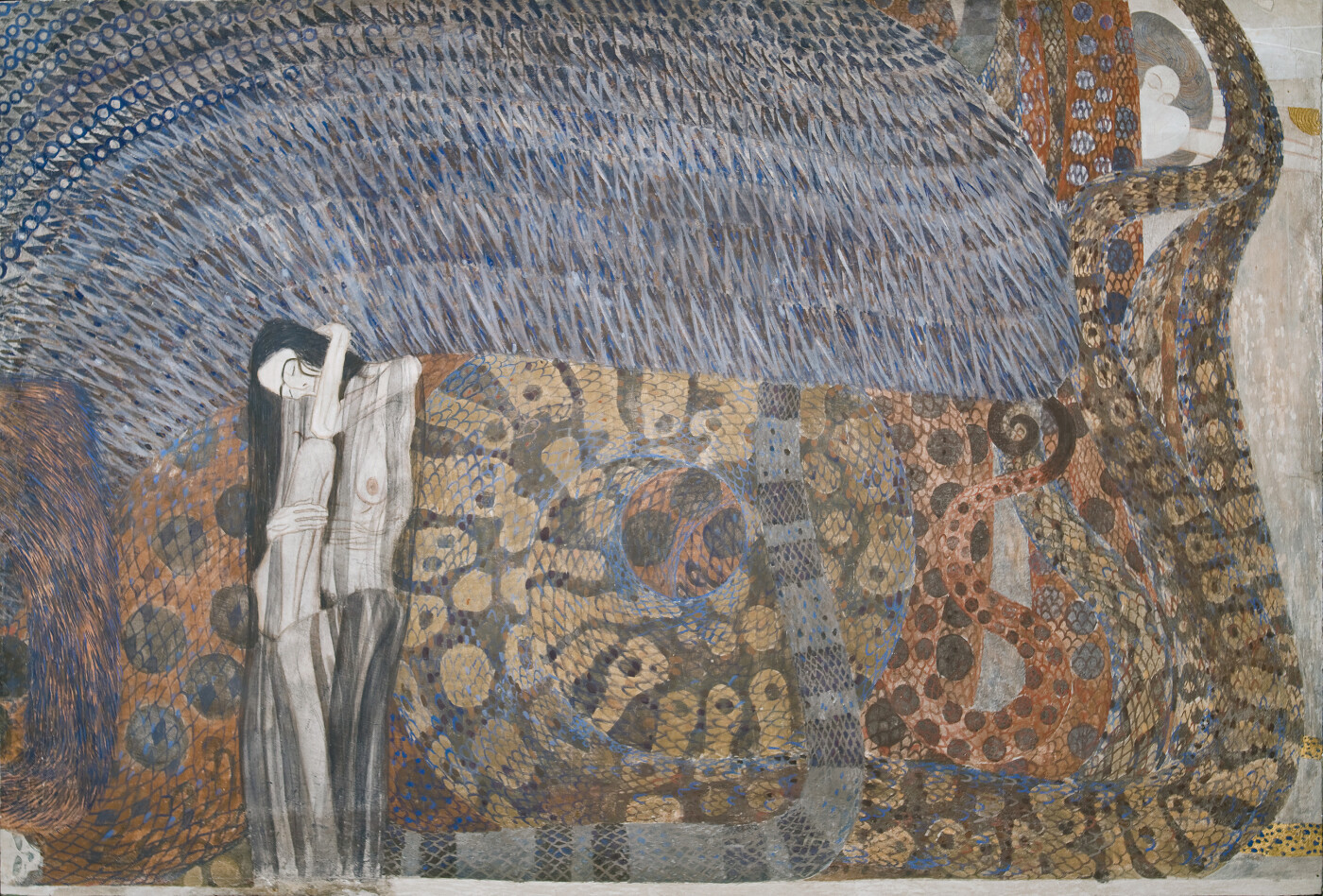
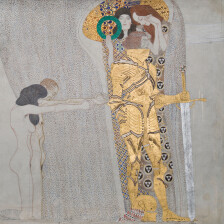
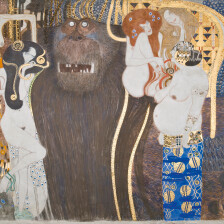
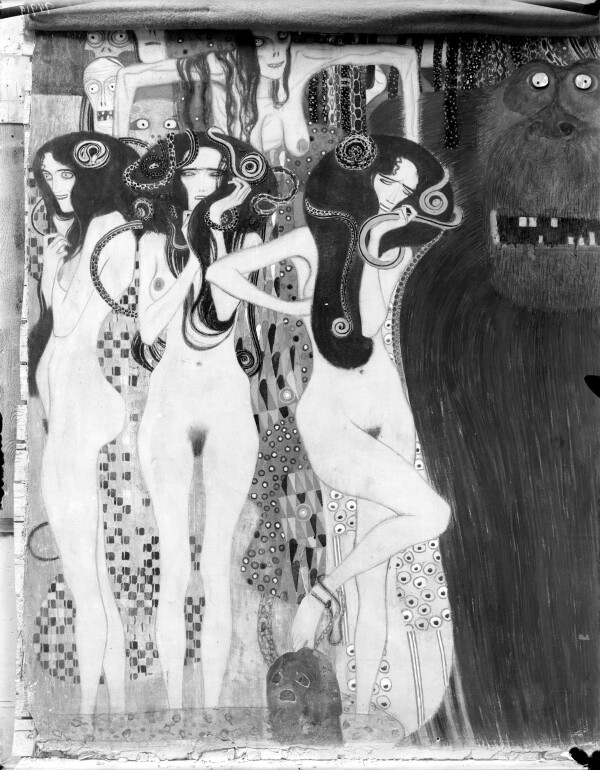
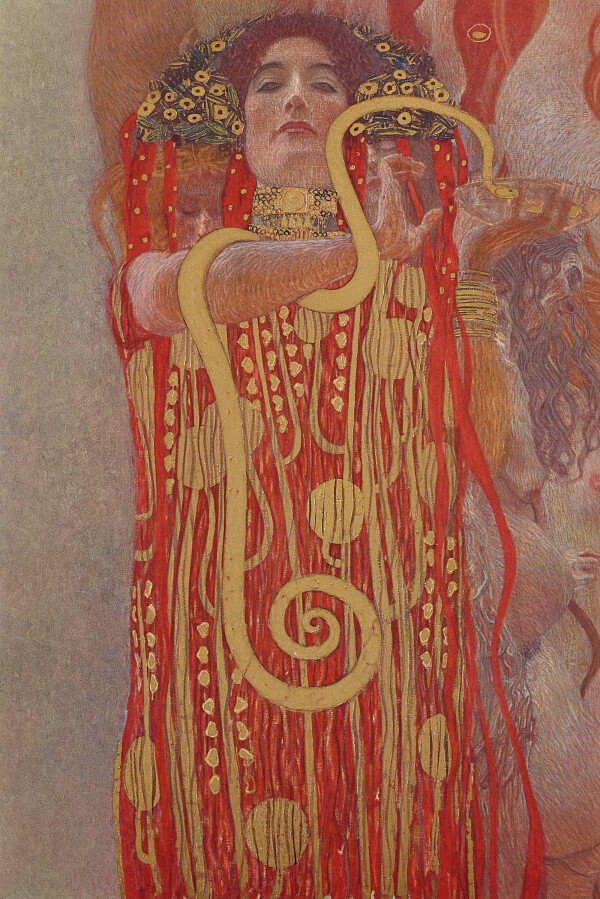
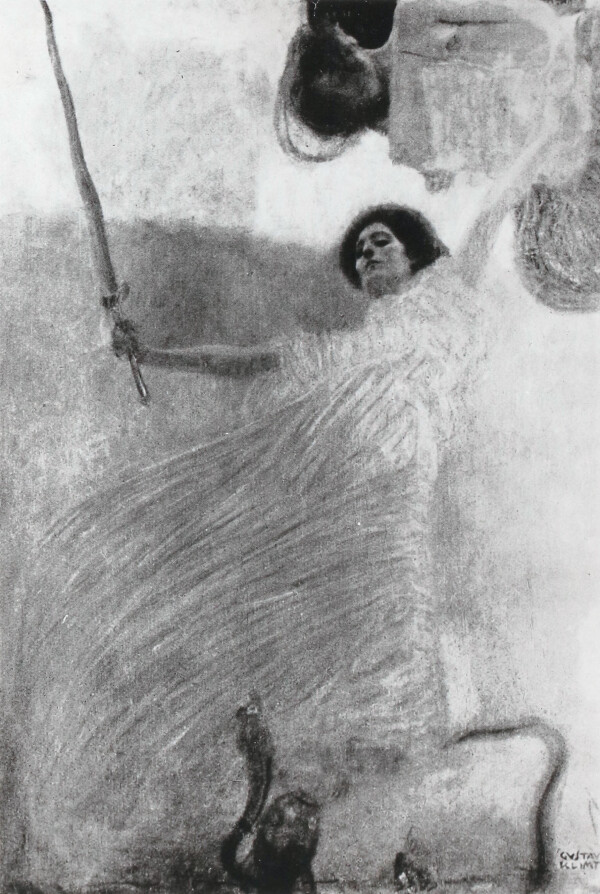
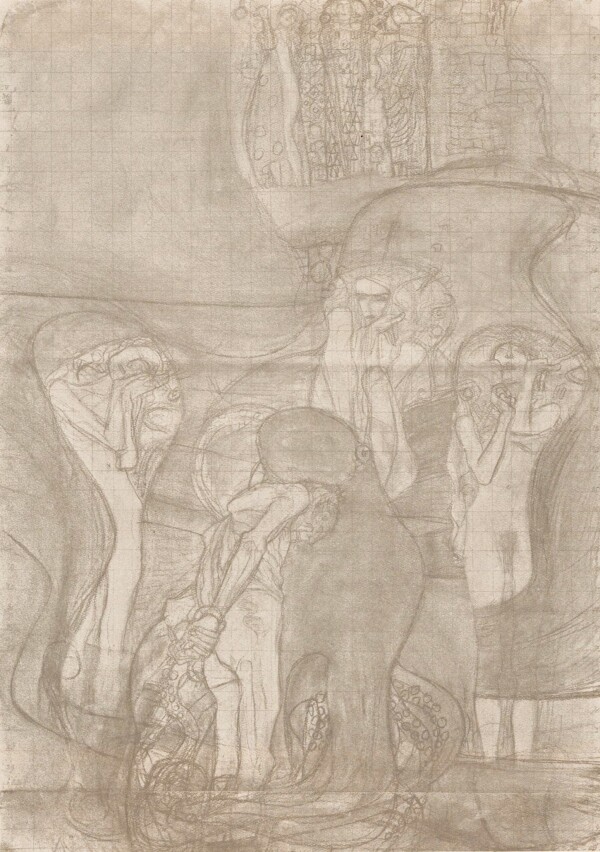
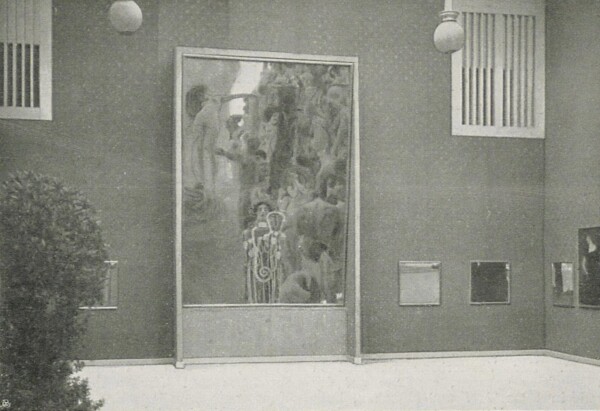
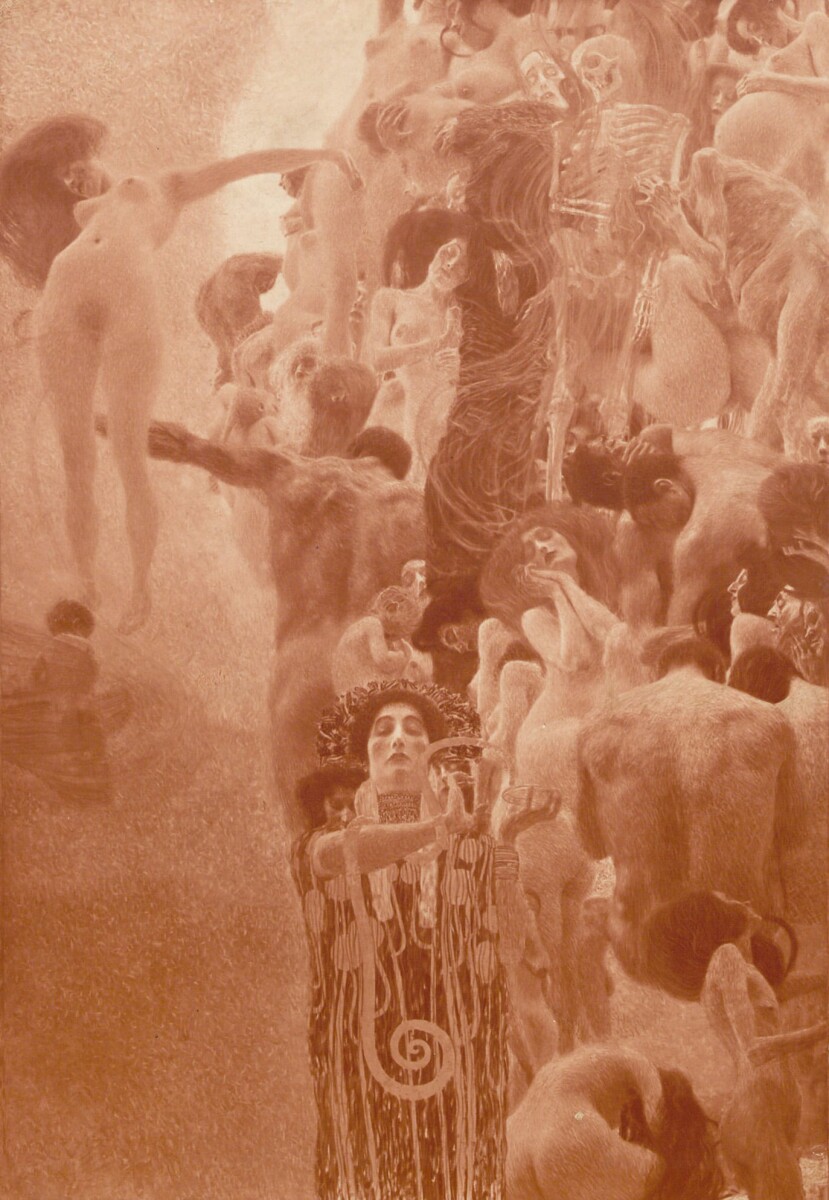
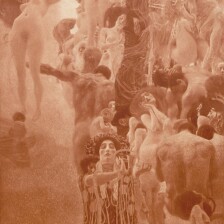
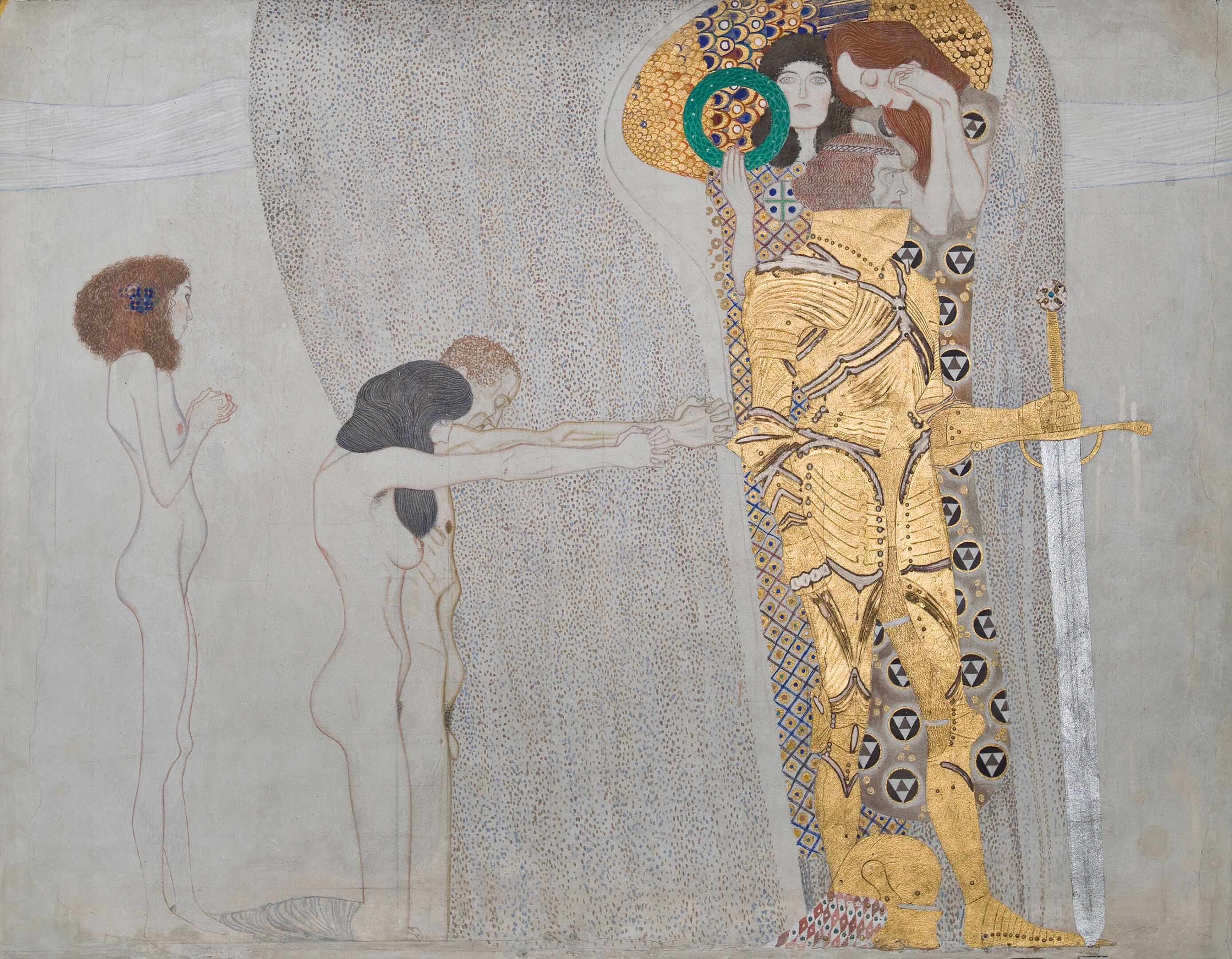
In contrast to the frequent depictions of women, men rarely appear as protagonists in Klimt’s oeuvre. In the painting Life Is a Battle, later referred to as The Golden Knight (1903, Aichi Prefectural Museum of Art, Nagoya), Klimt draws on the figure of the knight from The Beethoven Frieze (1901/02, Belvedere, Vienna), isolating it as a symbol of constant struggle. While the knight in the Beethoven Frieze fights as a “well-armed, strong man” against the monster Typhaeon and his horrible daughters in order to lead suffering humankind to music and happiness, the Golden Knight marches toward an uncertain future on the back of a giant black warhorse, past trees painted in the Pointillist style. The adder already hints at danger. Snakes play a major role in Klimt’s works from the Golden Period, appearing time and again in depictions such as Nuda Veritas (1899, Österreichisches Theatermuseum, Vienna) and shortly after 1900 in the Faculty Paintings of Medicine and Jurisprudence (1900–1907 and 1903–1907 resp., both destroyed by fire at Immendorf Castle in 1945).
Could Gustav Klimt, who throughout his life saw himself as a lone fighter, sole breadwinner of his family and illegitimate children, and dissatisfied artist caught in a ceaseless struggle with his works, have created an allegorical parable in this painting? It would be quite obvious to see in the knight the constantly troubled painter, fighting against the empty canvas and, following the program of the Beethoven Frieze, leading suffering humankind to art and happiness. However, there is no (historical) proof of this theory.
That the painting meant a creative struggle for Klimt himself is evidenced by the fact that the artist could not finish it in time for the beginning of the exhibition in 1903. The Viennese public was forced to wait almost two weeks before the master won the battle and completed the work. The industrialist Karl Wittgenstein, a passionate Klimt collector, subsequently acquired the painting for his collection.
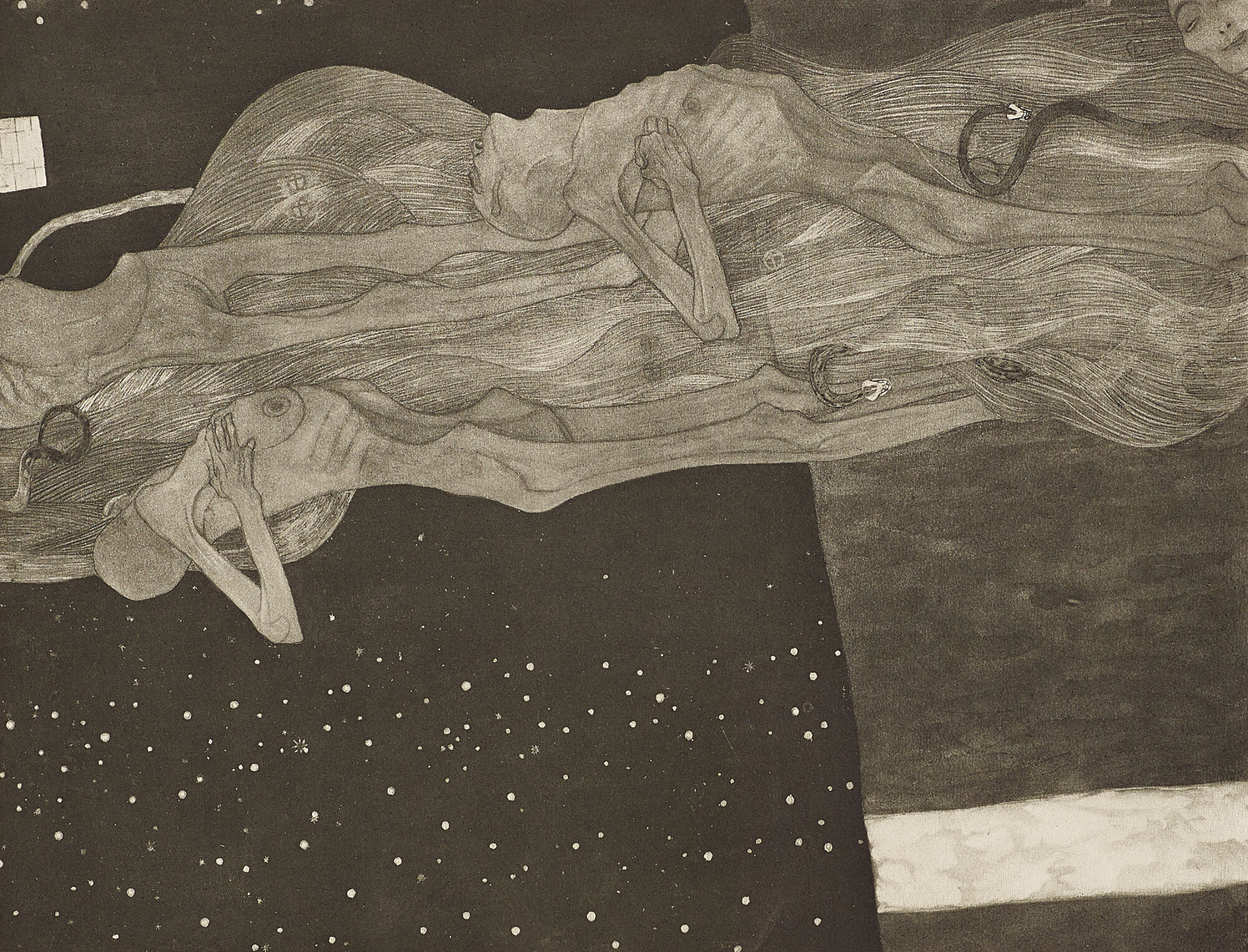
Gustav Klimt: From the Realm of Death (Stream of the Dead), 1903, Verbleib unbekannt
© Klimt Foundation, Vienna
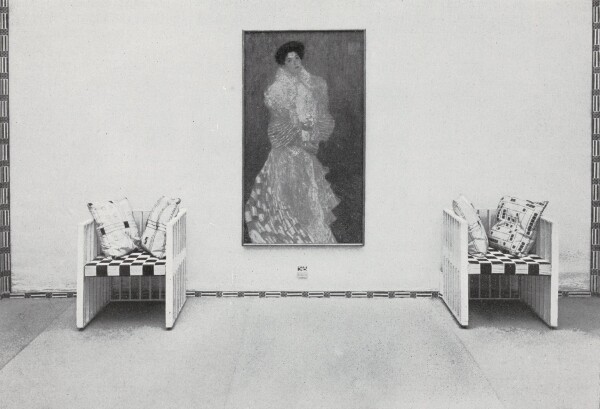
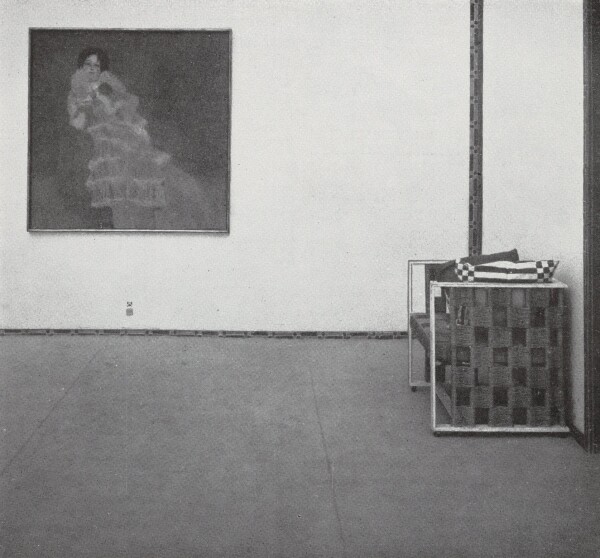
View into Villa Waerndorfer, 1903/04, MAK - Museum für angewandte Kunst, Archiv der Wiener Werkstätte
© MAK
Gustav Klimt: Hope I, 1903/04, National Gallery of Canada
© NGC
From the Realm of Death
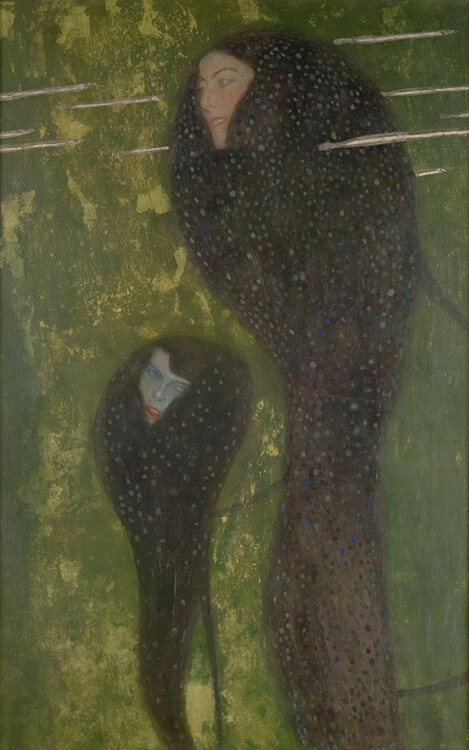
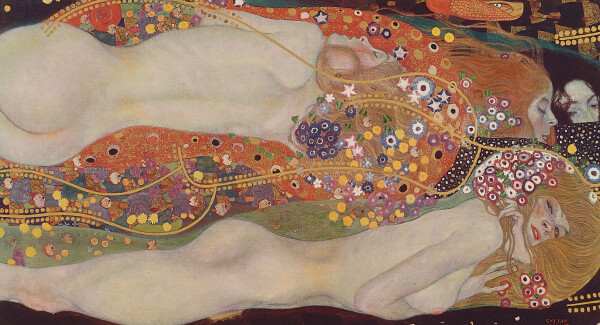
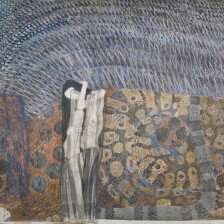
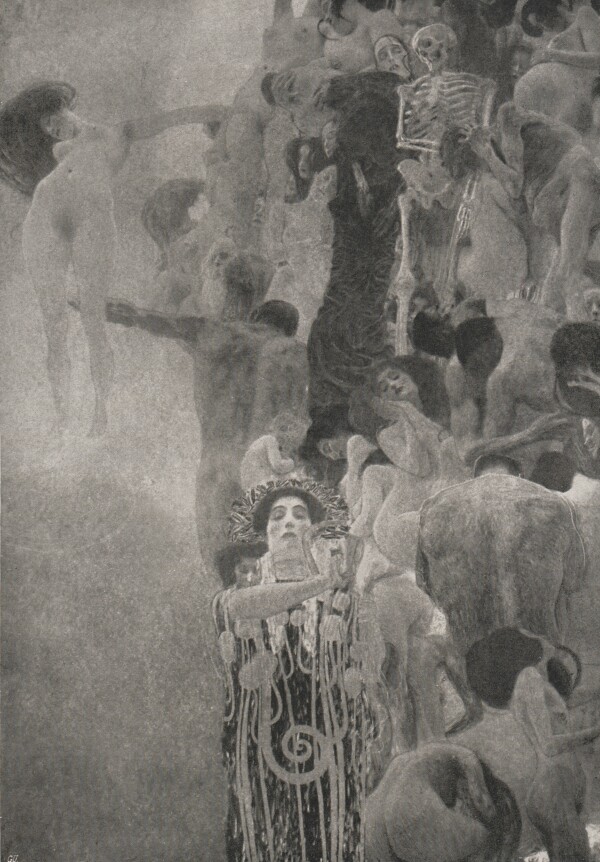
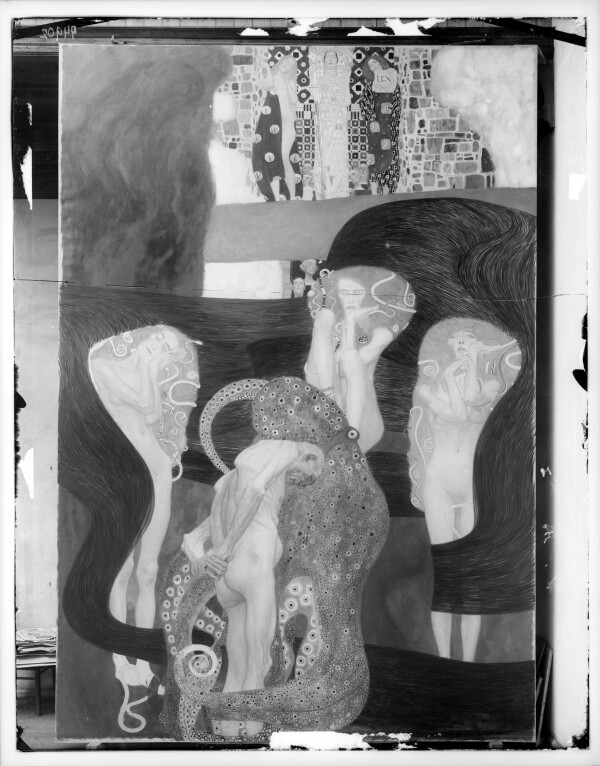
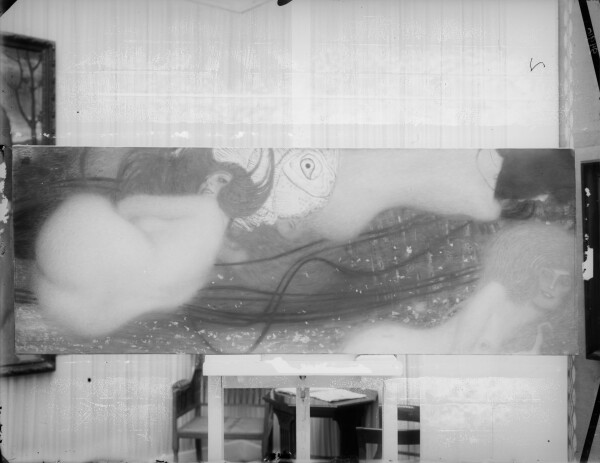
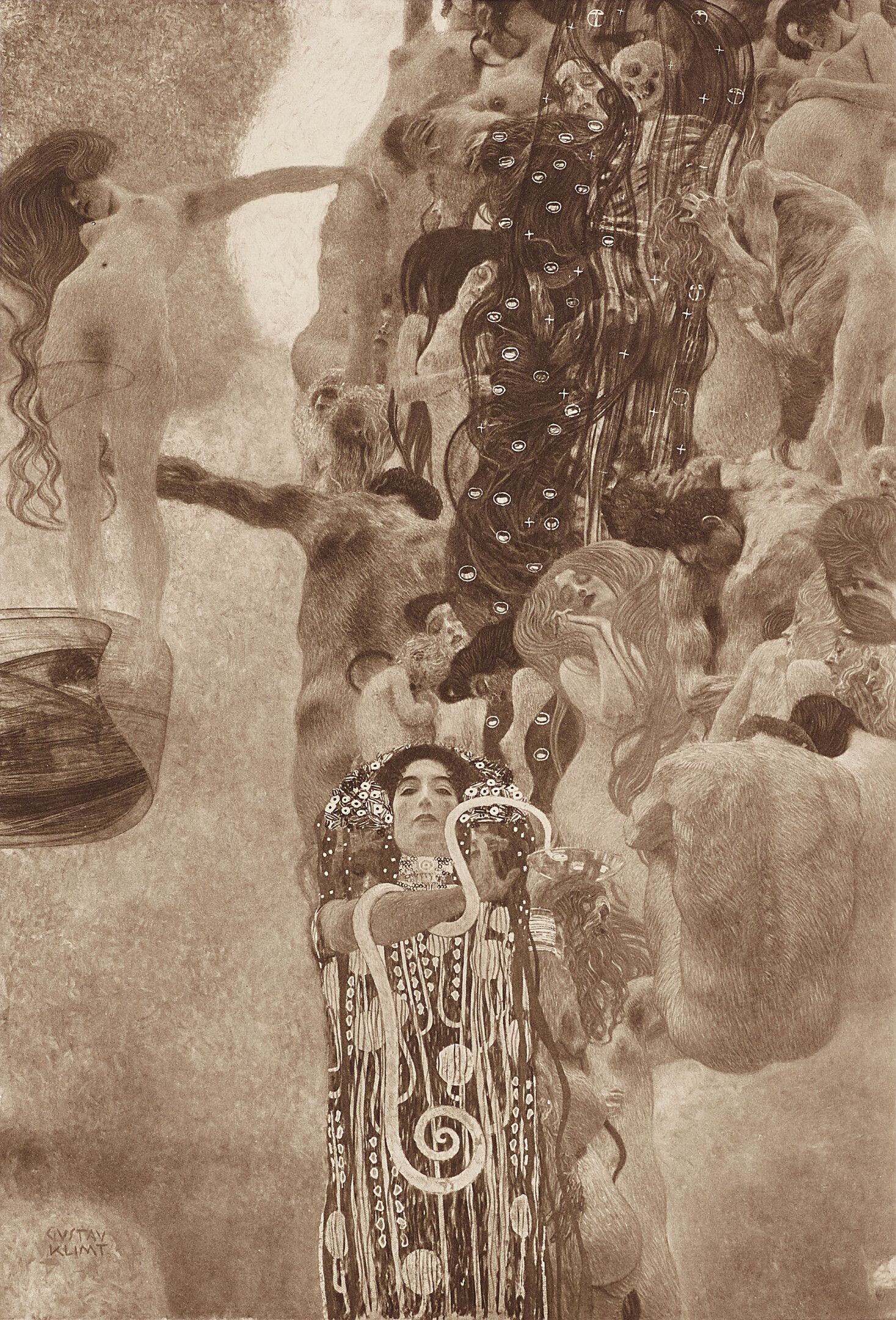
The snakes mentioned above also play a role in Klimt’s first allegory dealing with the theme of death, From the Realm of Death (Stream of the Dead) (1903, whereabouts unknown, considered lost since the end of the war in 1945). The vision of the afterlife, in which emaciated human bodies seem to be floating weightlessly in the universe, has unfortunately only survived in the form of a black-and-white reproduction. However, the painting can be partially reconstructed in its color scheme thanks to a description by art critic Ludwig Hevesi. White scarfs featuring an irregular pattern of green double squares are said to have connected the dead, who are said to have spanned the surface of the picture like the “Milky Way across the night sky,” with dark blue vipers with golden heads meandering between them. Both the background and the frame may have suggested an infinite black void, now and then interspersed with colored stars. In terms of the structure of the painting, with its stream-like flow of arched bodies in the throng of an undulating, billowing ornamental band, Klimt formally harked back to Moving Water (1898, private collection) and Will-o’-the-Wisp (1903, private collection).
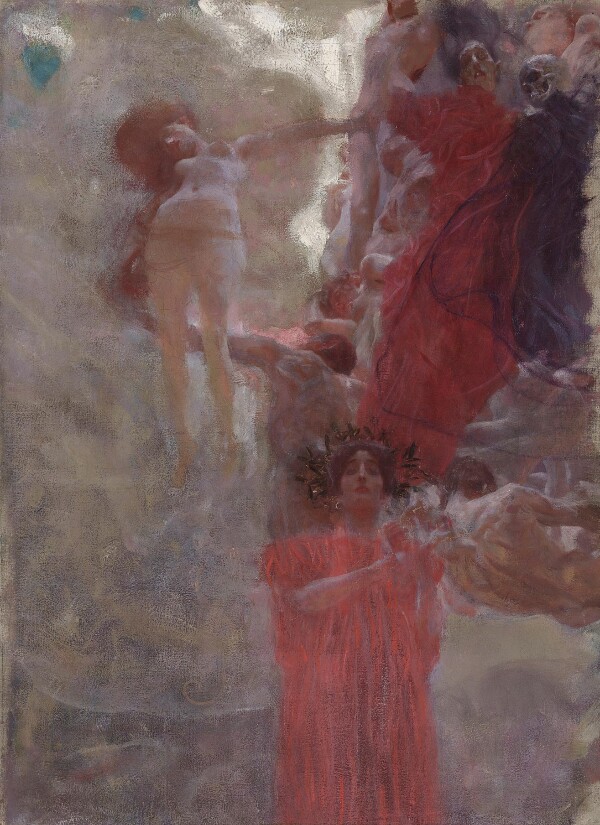
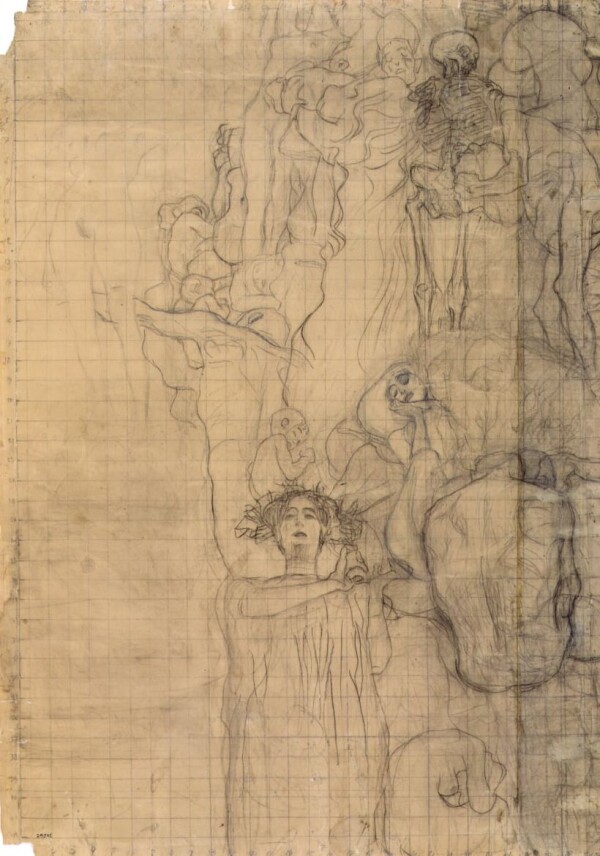
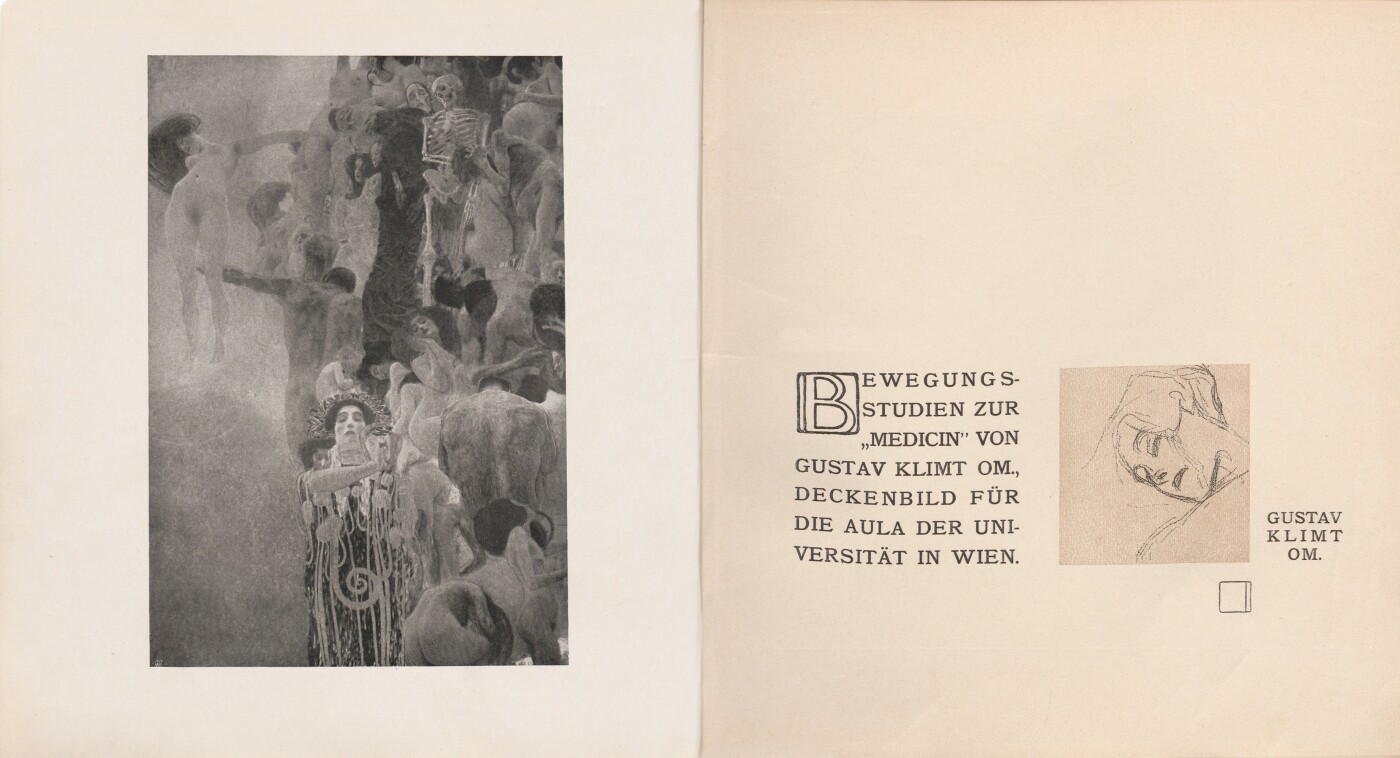
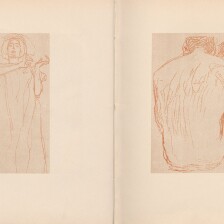
The first explorations of life and death had already taken place in the Faculty Painting of Medicine (1900–1907, destroyed by fire at Immendorf Castle in 1945). Klimt drew on anatomical sketches for the realistic depiction of the decomposed bodies. They were probably the same he had already used for said Faculty Painting. According to Hevesi, he had gained access to his lifeless models through his physician friend, Emil Zuckerkandl:
“How many hours he spent in Prof. Zuckerkandl’s dissecting room this summer, eagerly drawing in order to distill this pale, rigid play of colors and lines from all this death.”
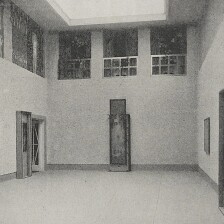
It was precisely this ruthlessly realistic depiction of death, entirely devoid of idealization or abstraction, that struck a chord with viewers and led to criticism and rejection. Fritz Waerndorfer eventually acquired the painting and kept it at his villa in Vienna’s Cottage Quarter.
Hope I
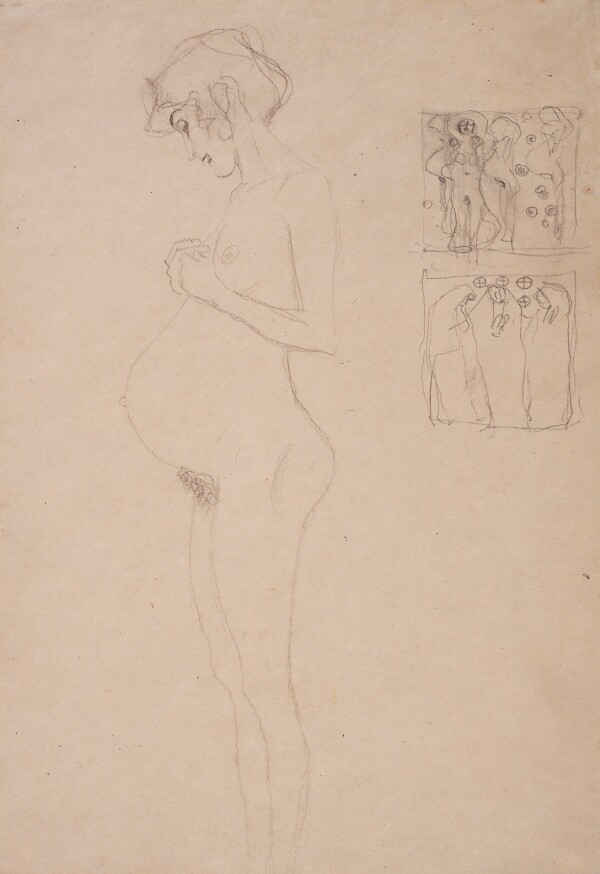
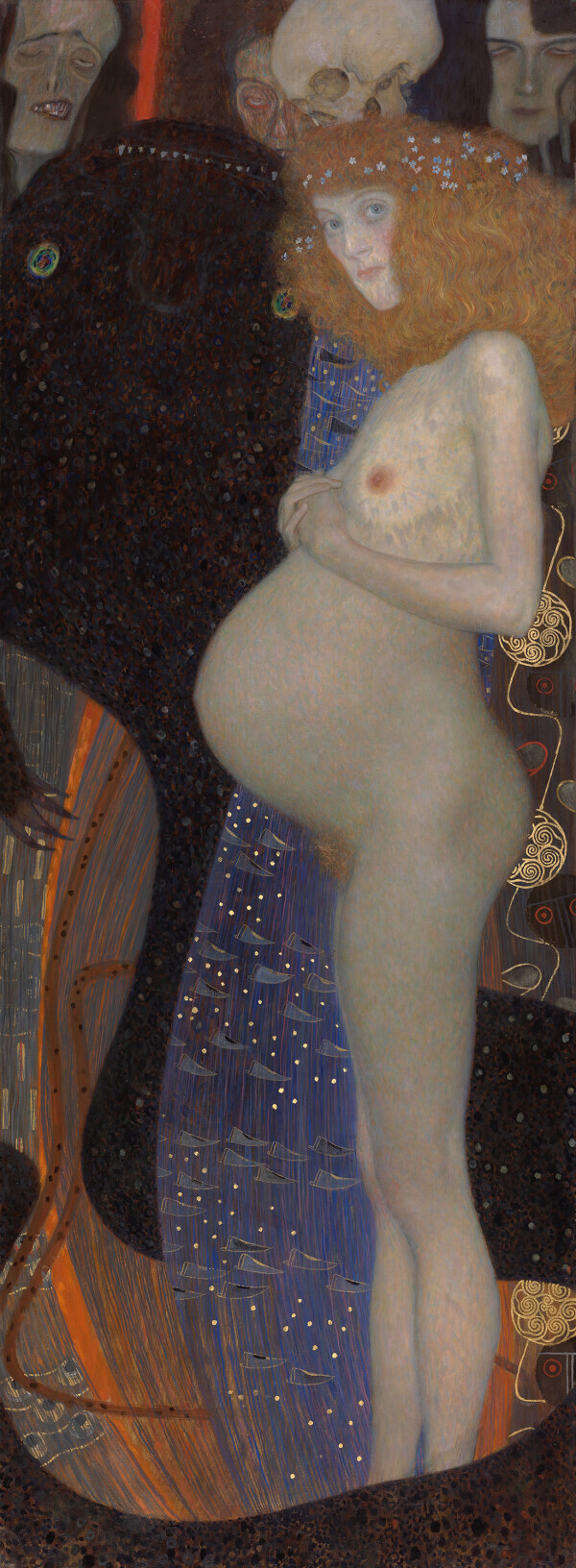
In the painting Hope I (1903/04, National Gallery of Canada, Ottawa) Klimt once again dealt with the theme of death. A naked pregnant woman – who is thus proverbially “expecting” – is shown standing in the foreground of the composition as a luminous figure. A personification of death in the form of a skeleton, emaciated faces, and a black shadowy figure loom menacingly in the background. The woman, however, who puts her hands protectively over her belly, looks at the viewer and is not aware of the imminent danger. Again, Klimt combines here a depiction of a woman with the element of threat. However, since Judith I, the connotations of the two terms have changed fundamentally. The woman has transformed from femme fatale to an almost sacred and innocent maternal figure. Her nakedness no longer radiates seduction but exhibits a childlike vulnerability. The symbols of danger are no longer meant as a warning directed at the viewer, but rather pose a threat to the protagonist. This change in Klimt’s image of women was probably due to the death of his son Otto Zimmermann in 1902, when he was not yet a year old.
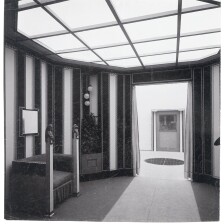
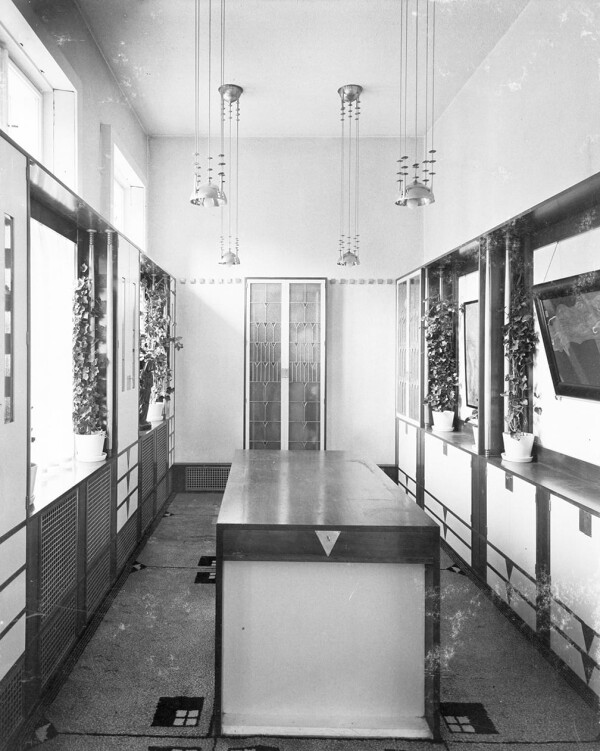
Klimt actually wished to present Hope I in mid-November 1903 as part of the “Gustav Klimt Collective Exhibition.” However, Berta Zuckerkandl reported that Hartel, the Minister of Education, feared that the depiction of a naked pregnant woman might cause another scandal, as had happened with the Faculty Paintings earlier. It was at his request that Klimt withdrew the painting from the exhibition. When Hans Koppel saw the work in Klimt’s studio in November 1903, he referred to it as “Klimt’s most recent painting,” which would have been completed except for a few minor details. The painter still intended to change the background from landscape to patterned carpet and add “characteristic heads clarifying the thoughts behind the work.” In 1904, Gustav Klimt revised the composition and then sold the picture to Fritz Waerndorfer. The latter asked Koloman Moser to design a piece of furniture especially for the purpose of protecting the scandalous work from unwanted glances. On 25 November 1905, Ludwig Hevesi reported on the occasion of a visit to Villa Waerndorfer:
“That evening we were sitting together for a long time, looking at the gloomy works of art Herr Wärndorfer collects. Over a large picture, a double-wing door is hermetically closed to shield off any profane eye. This picture is Klimt’s famous or, rather, notorious ‘Hope’ – said young woman expecting in the most interesting ways, whom the artist dared to paint without clothes. One of his masterpieces. […] In the Klimt exhibition two years ago the picture could not be shown, as some superior authority prevented it. Now it has become a private matter at Waerndorfer’s house.”
Literature and sources
- Hans Koppel: Bei Gustav Klimt, in: Die Zeit, 15.11.1903, S. 4-5.
- Berta Zuckerkandl (Hg.): Zeitkunst. Wien 1901–1907, Vienna 1908.
- Franz Servaes: Klimt-Ausstellung (Sezession), in: Neue Freie Presse (Abendausgabe), 23.11.1903, S. 1-4.
- Ludwig Hevesi: Weiteres zur Klimt-Ausstellung. 21. November 1903, in: Acht Jahre Sezession (März 1897–Juni 1905). Kritik – Polemik – Chronik, Vienna 1906, S. 448–452.
- Joris-Karl Huysmans: Gegen den Strich, Bremen 1991.
- Neues Wiener Tagblatt, 16.02.1902, S. 12.
- Johannes Dobai: Gustav Klimt’s Hope I, in: National Gallery of Canada Bulletin, Nummer 71 (1971).
- Alice Strobl: Klimts Irrlichter. Phantombild eines verschollenen Gemäldes, in: Klimt-Studien. Mitteilungen der Österreichischen Galerie, Heft 66-67 (1978/79), S. 119–145.
- Agnes Husslein-Arco, Alfred Weidinger (Hg.): Gustav Klimt 150 Jahre, Ausst.-Kat., Upper Belvedere (Vienna), 13.07.2012–27.01.2013, Vienna 2012.
- Alfred Weidinger: Les Belles Dames. Gedanken zum Frauenbildnis bei den Präraffaeliten und Gustav Klimt, in: Agnes Husslein-Arco, Alfred Weidinger (Hg.): Schlafende Schönheit. Meisterwerke viktorianischer Malerei aus dem Museo de Arte de Ponce, Ausst.-Kat., Lower Belvedere (Vienna), 14.06.2010–03.10.2010, Vienna 2010, S. 103-110.
- N. N.: Theater- und Kunstnachrichten, in: Neue Freie Presse (Morgenausgabe), 04.04.1901, S. 7.
- N. N.: X. Ausstellung der Vereinigung vom 15. März bis 12. Mai 1901. Liste der verkauften Werke, in: Vereinigung bildender KünstlerInnen Wiener Secession (Hg.): Ver Sacrum. Mitteilungen der Vereinigung bildender Künstler Österreichs, 4. Jg., Heft 12 (1901), S. 209.
- Tobias G. Natter (Hg.): Gustav Klimt. Sämtliche Gemälde, Vienna 2017.
- Fritz von Ostini: Die VIII. Internationale Kunstausstellung im kgl. Glaspalast zu München, in: Die Kunst. Monatshefte für freie und angewandte Kunst, 16. Jg., Band 3 (1901).
- Ludwig Hevesi: Haus Wärndorfer, in: Altkunst – Neukunst, Vienna 1909, S. 221–227.