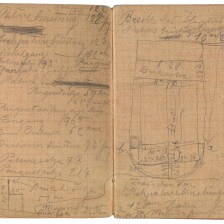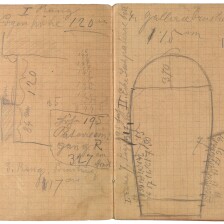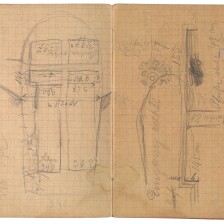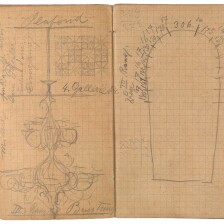

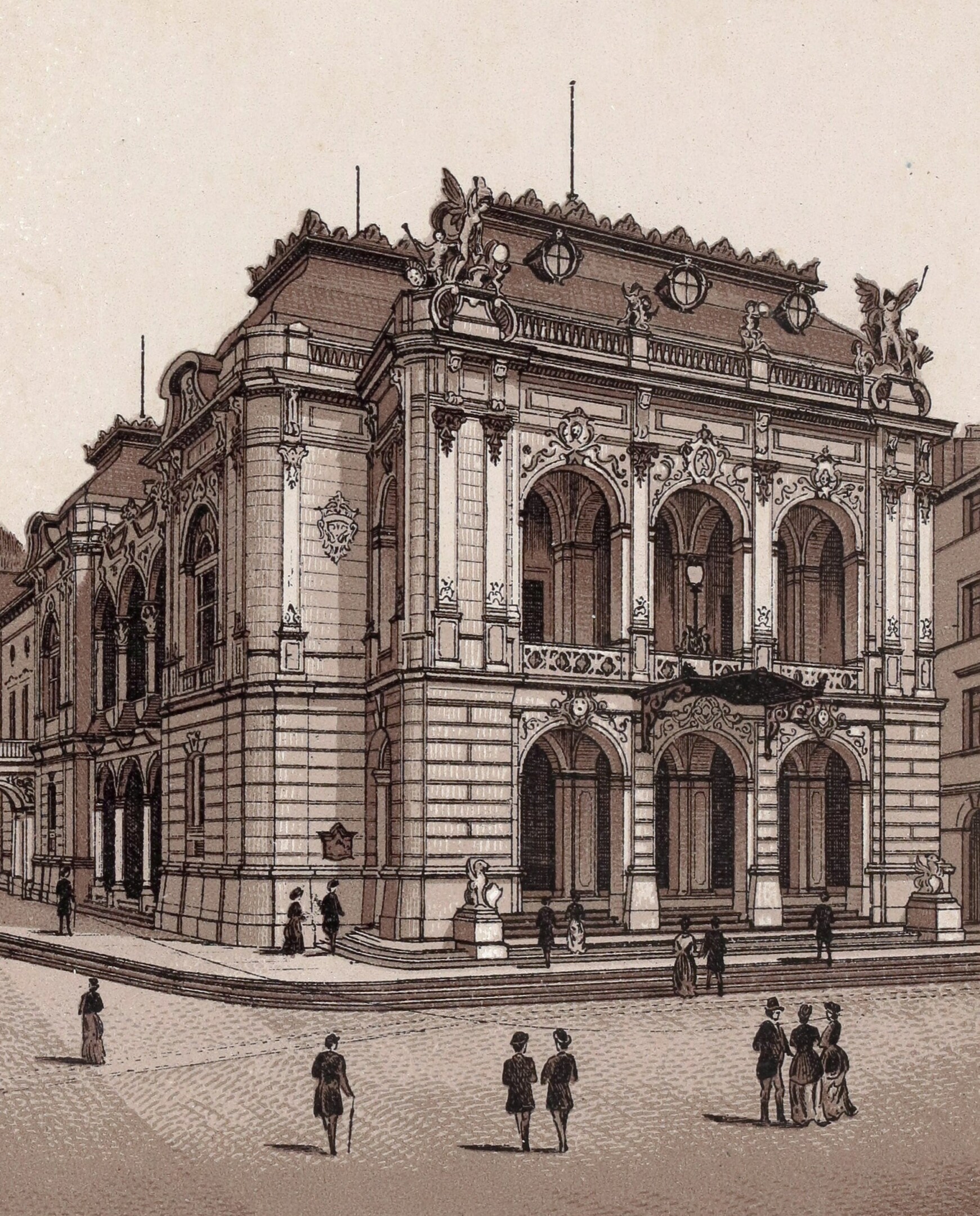
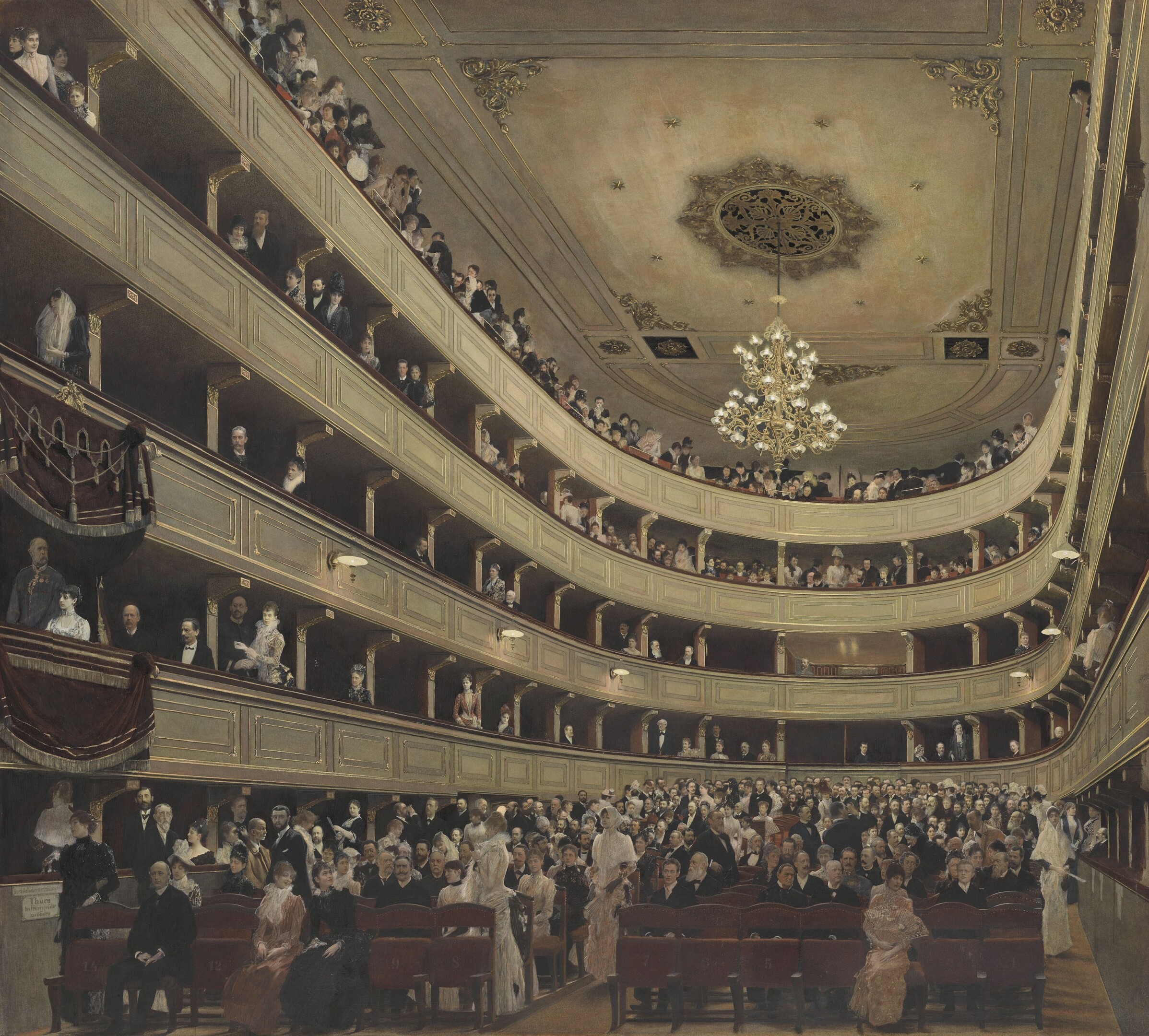
Stadttheater Reichenberg
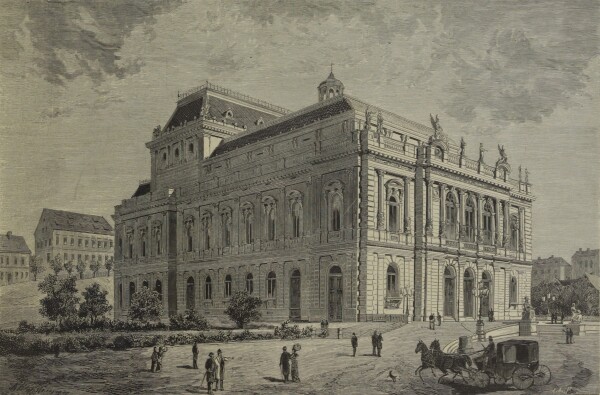
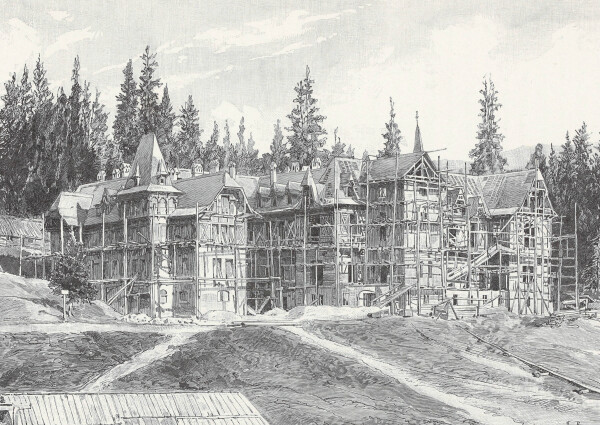
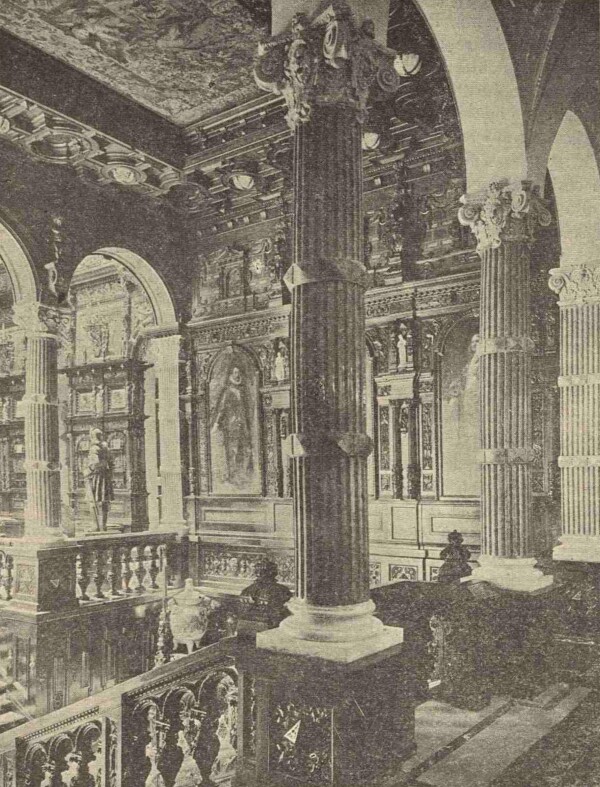
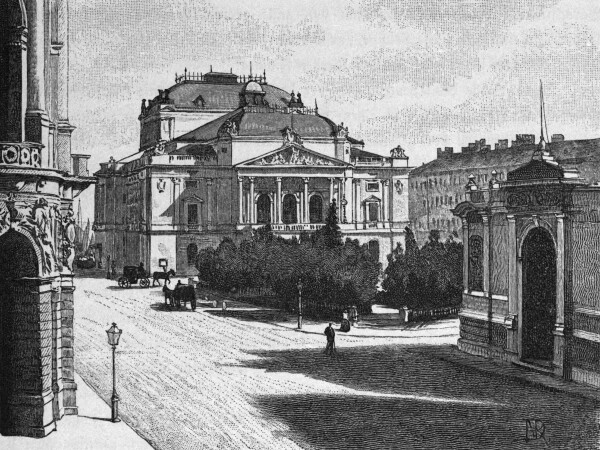
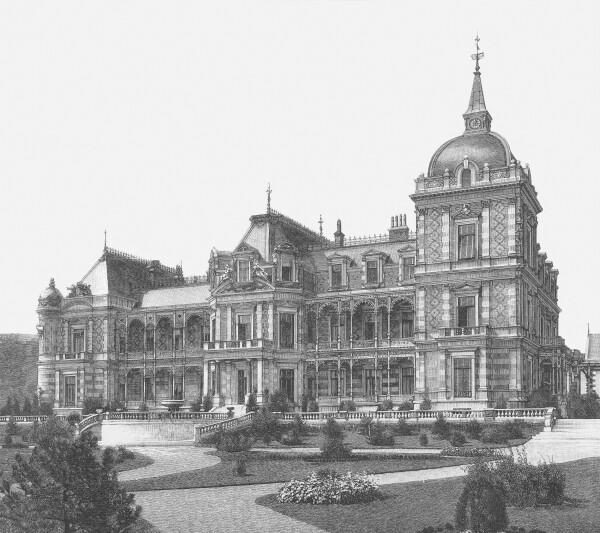
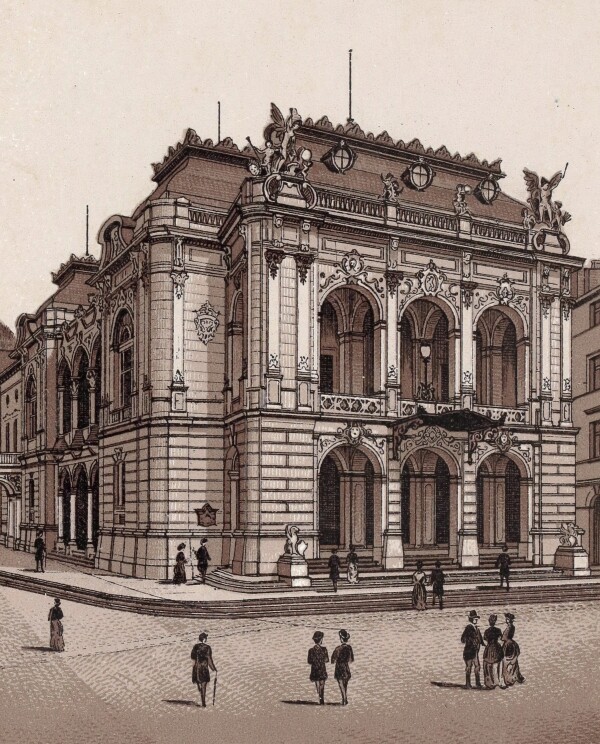
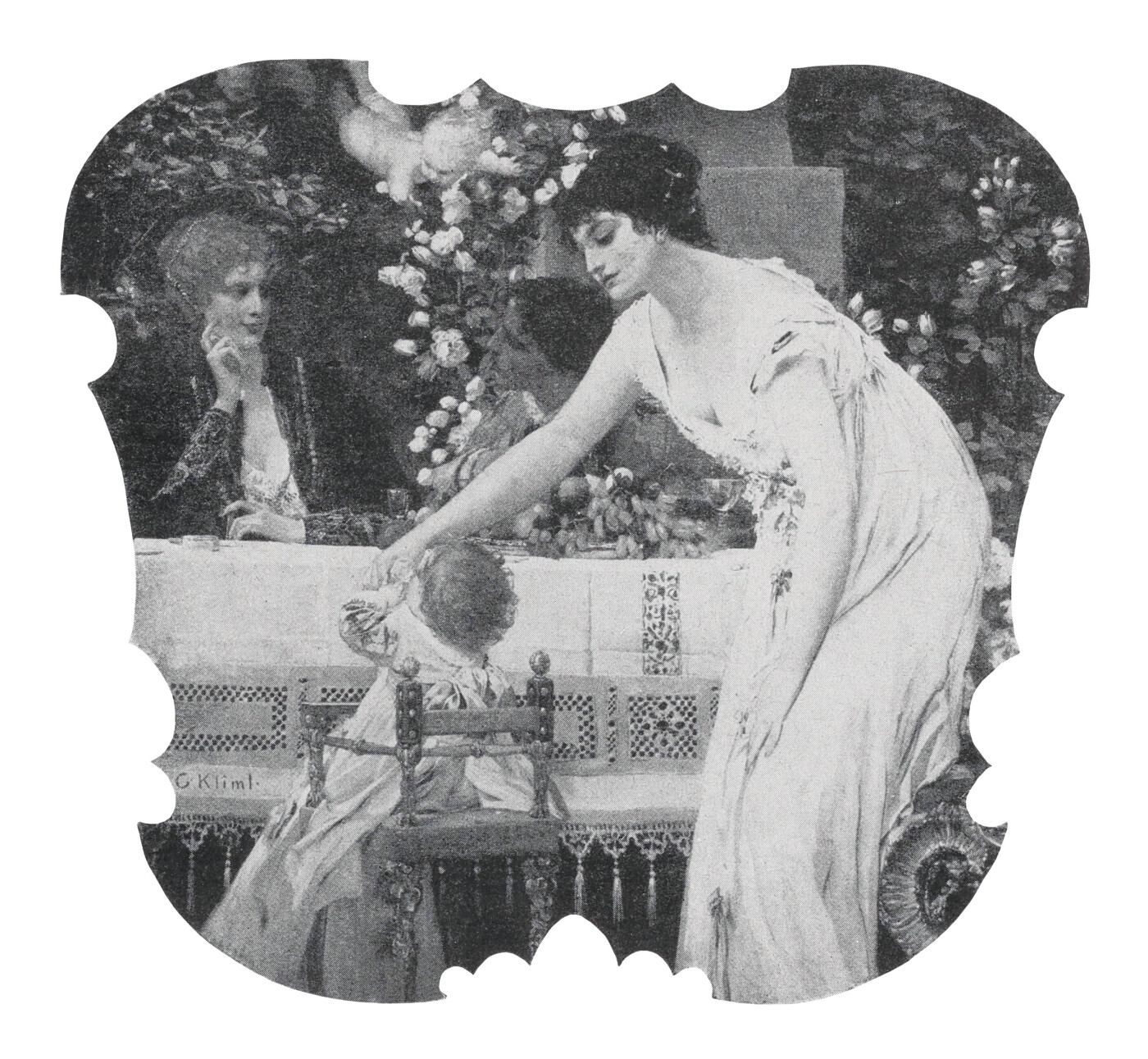
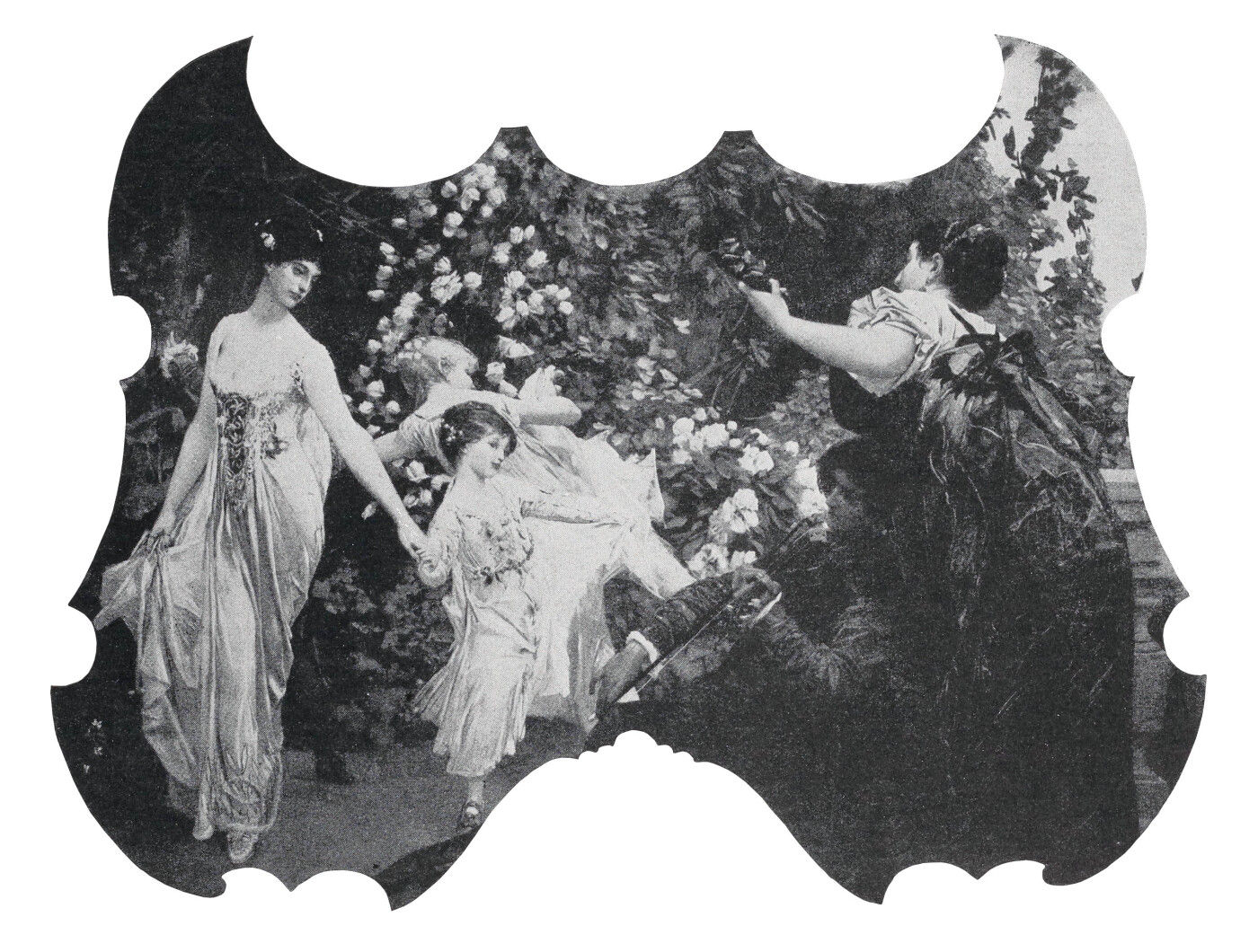
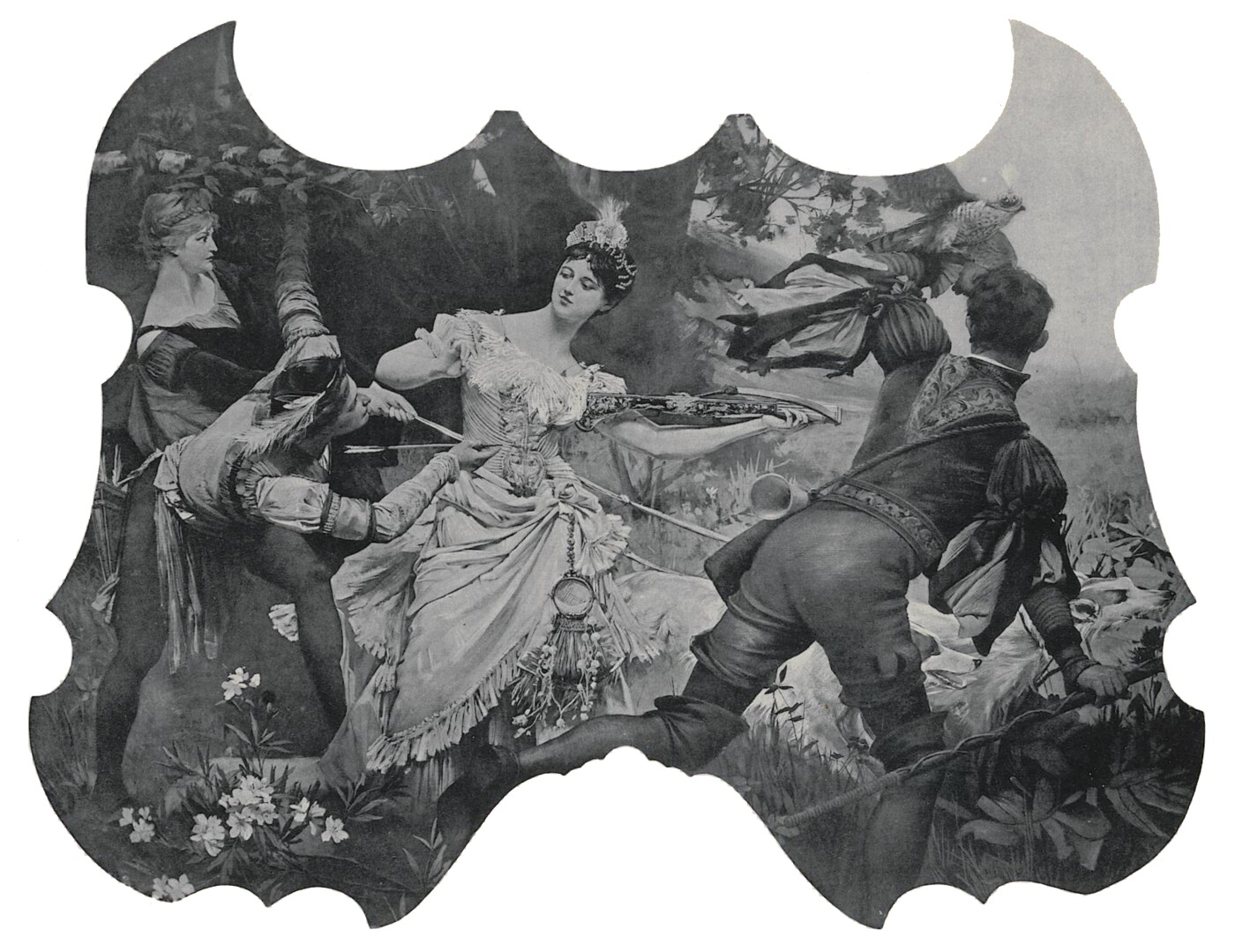
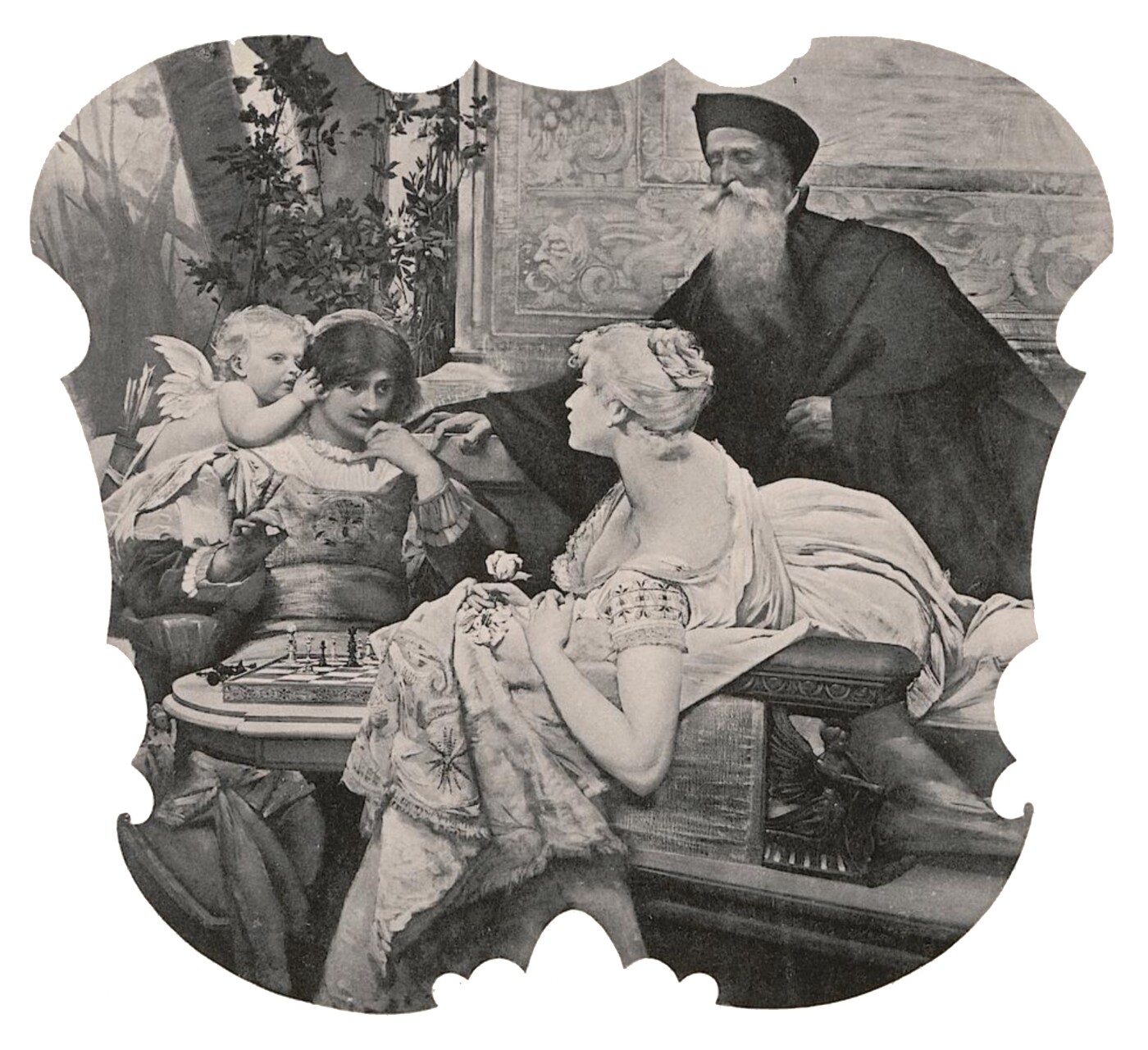
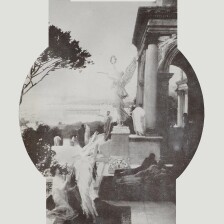
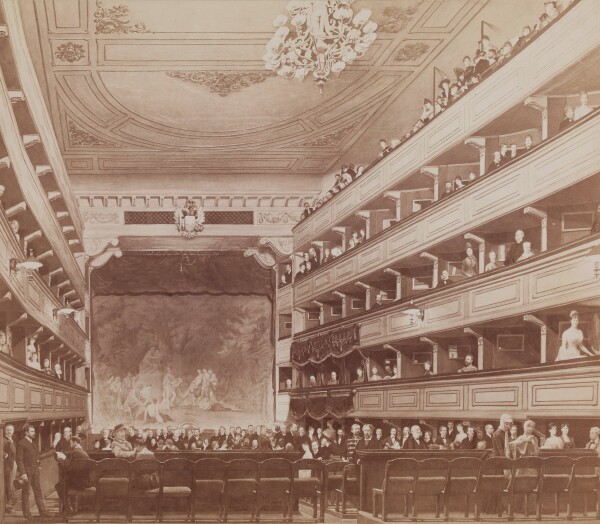
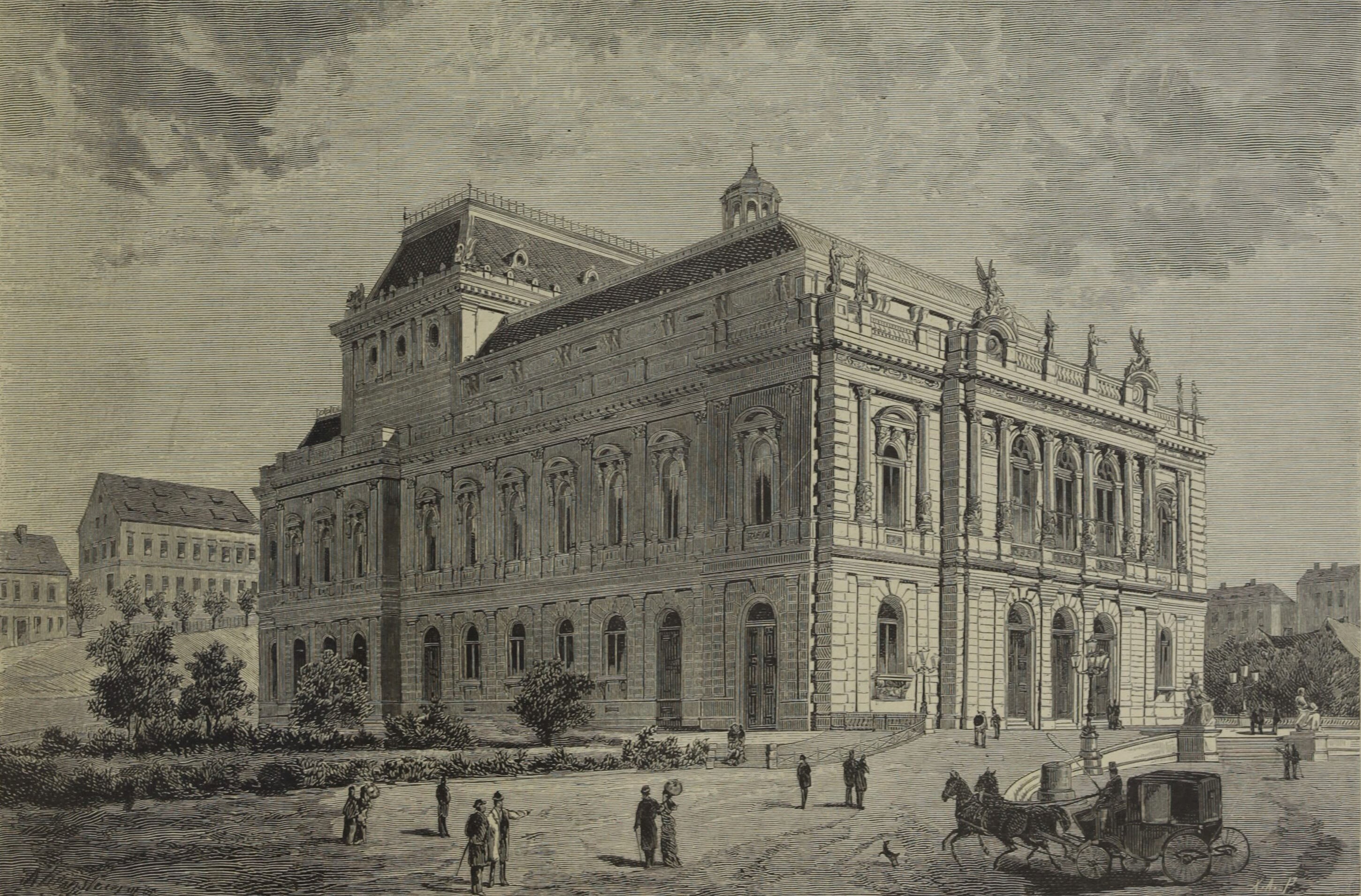
Reichenberg Municipal Theater, in: Neue Illustrierte Zeitung, 04.06.1882.
© Klimt Foundation, Vienna
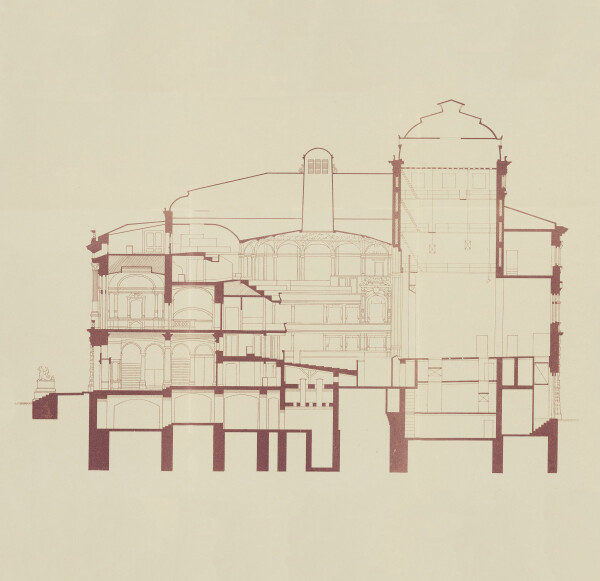
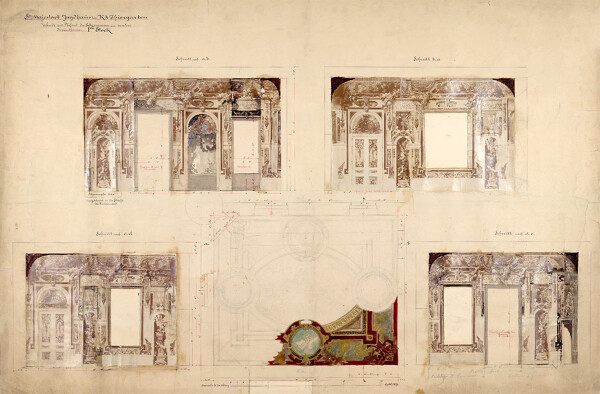
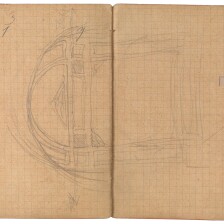
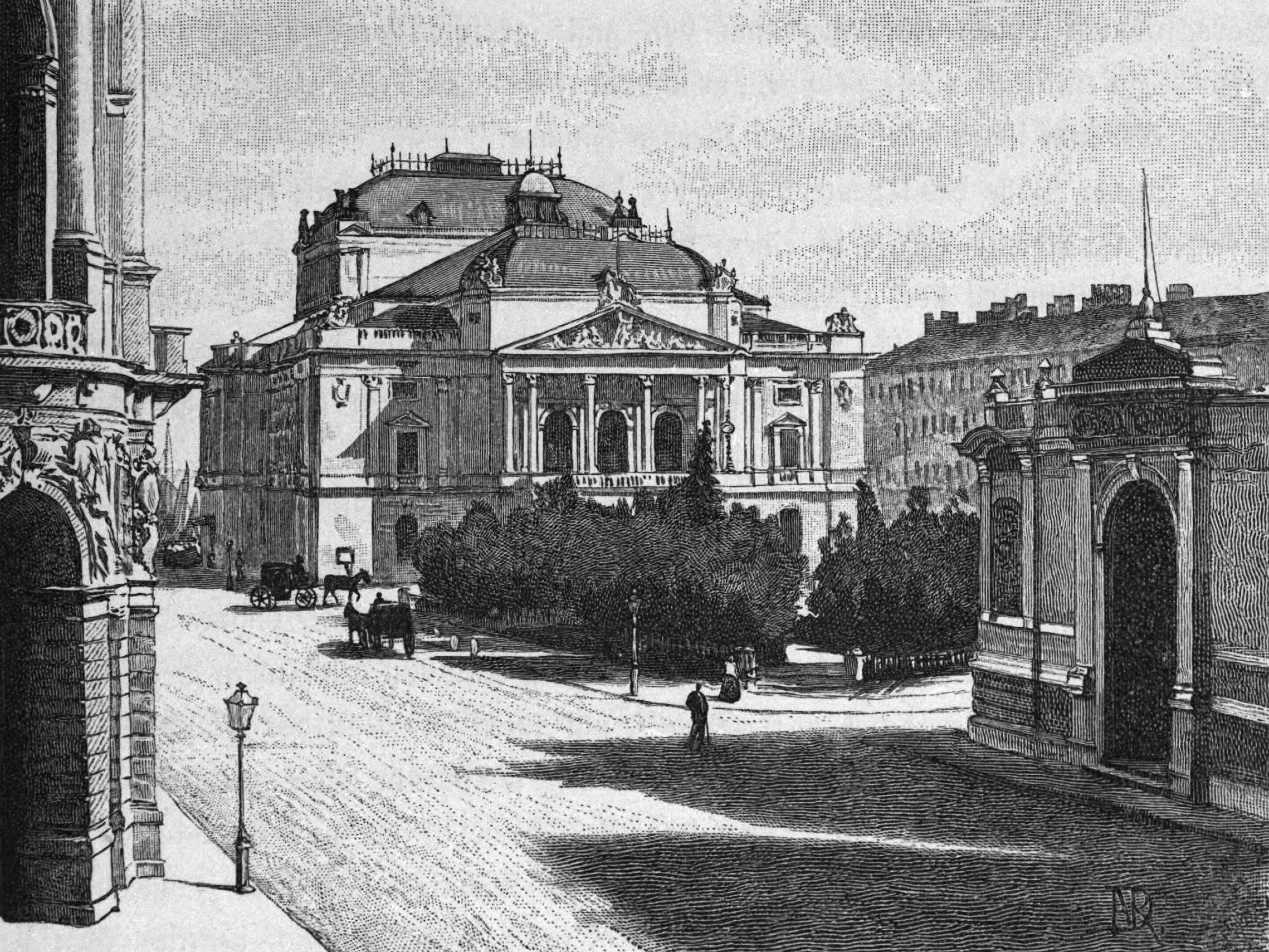
Reichenberg Municipal Theater (elevation)
© Architekturmuseum (TU Berlin)
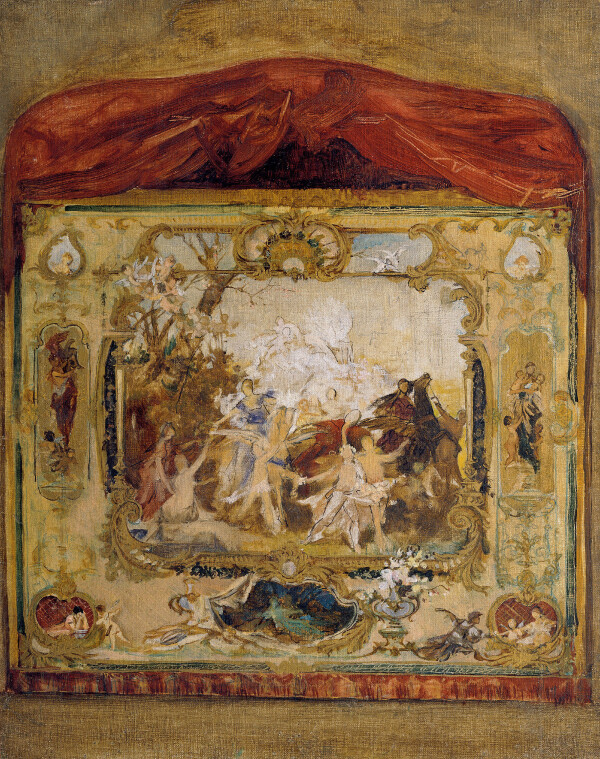
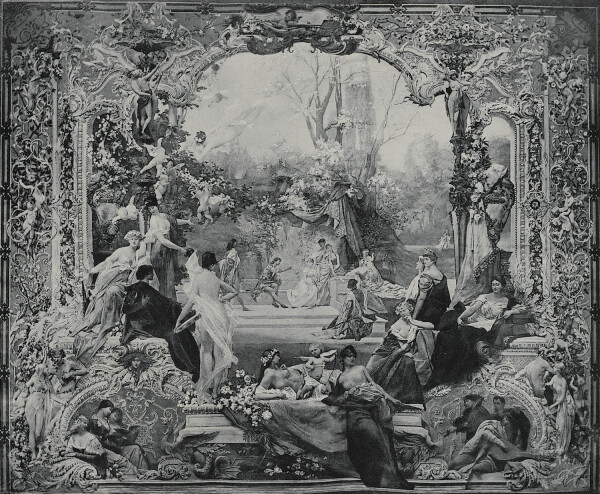
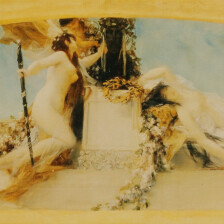
Gustav Klimt, Ernst Klimt, Franz Matsch: Design for the Main Curtain of Liberec City Theater, 1882, Verein der Freunde der Österreichischen Galerie Belvedere
© Belvedere, Vienna
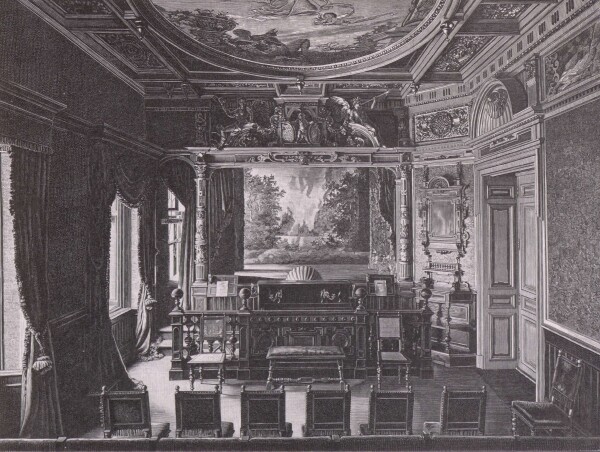
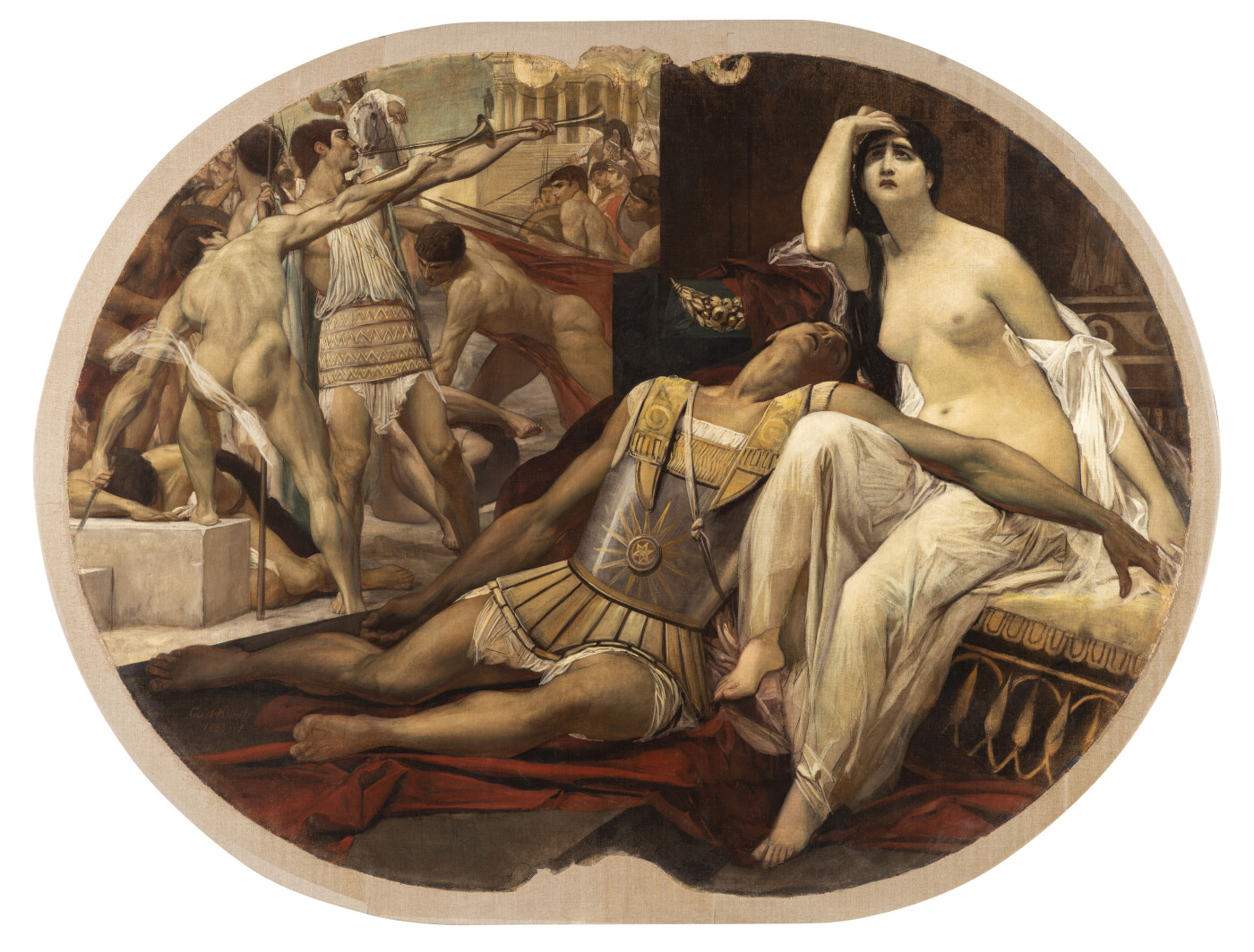
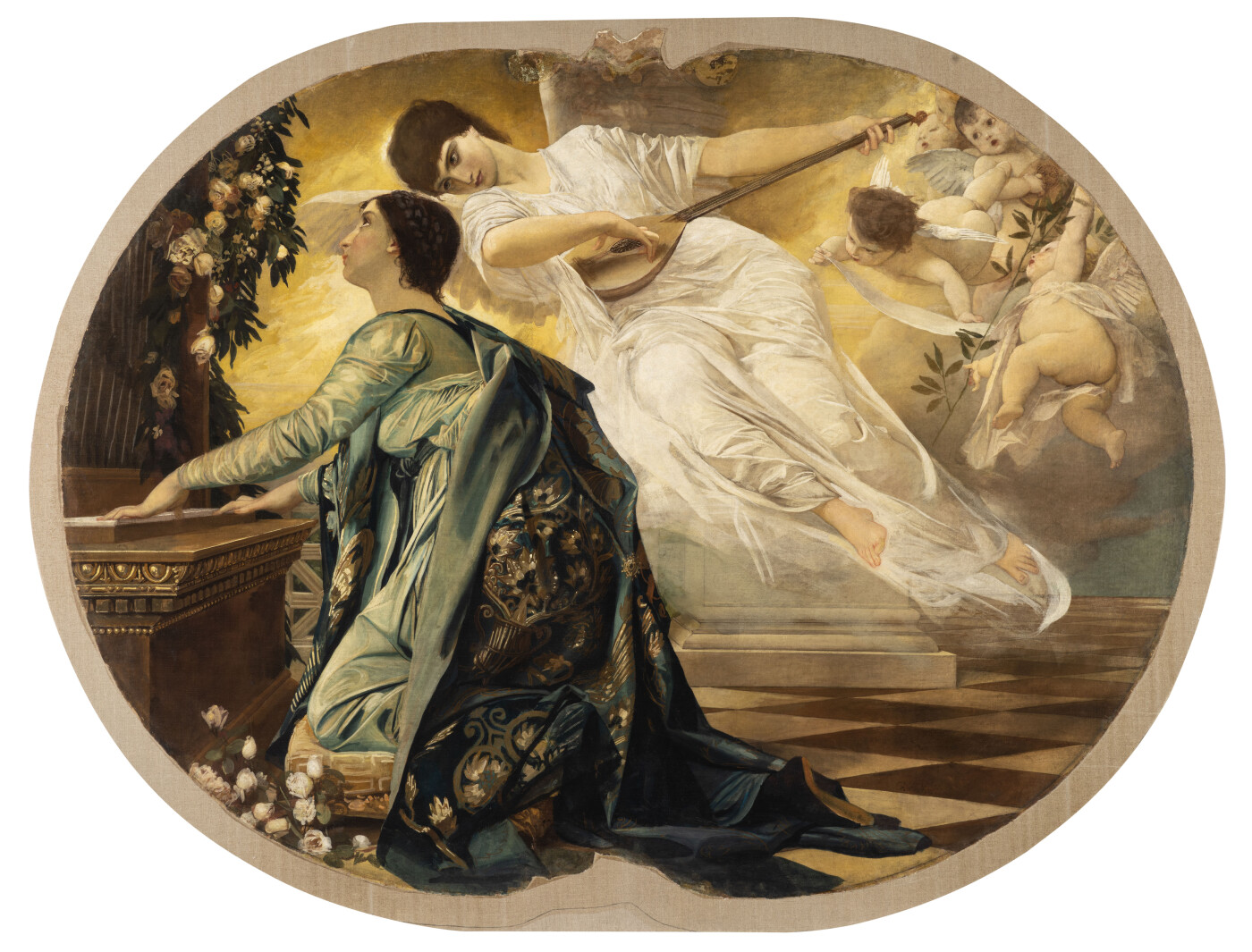
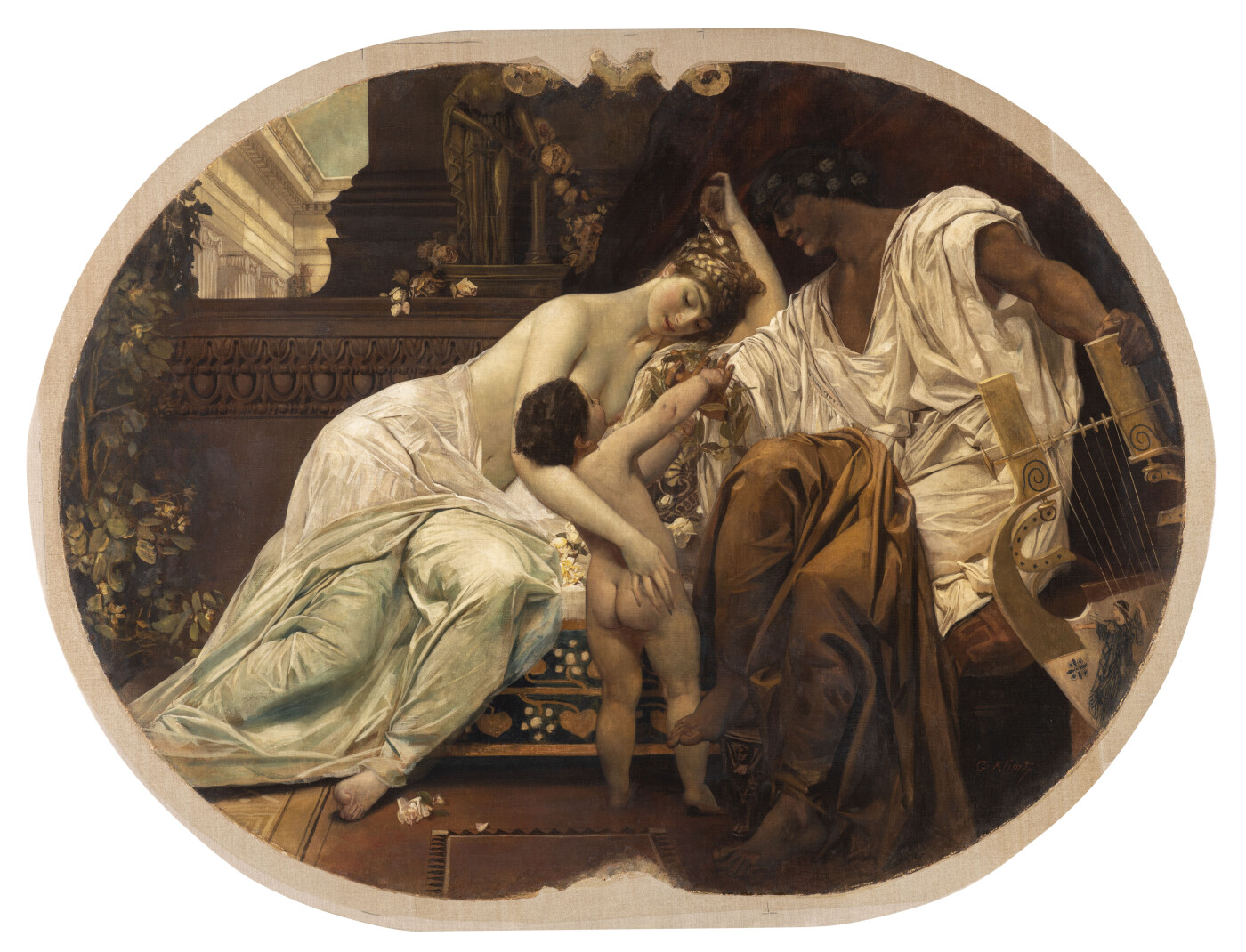
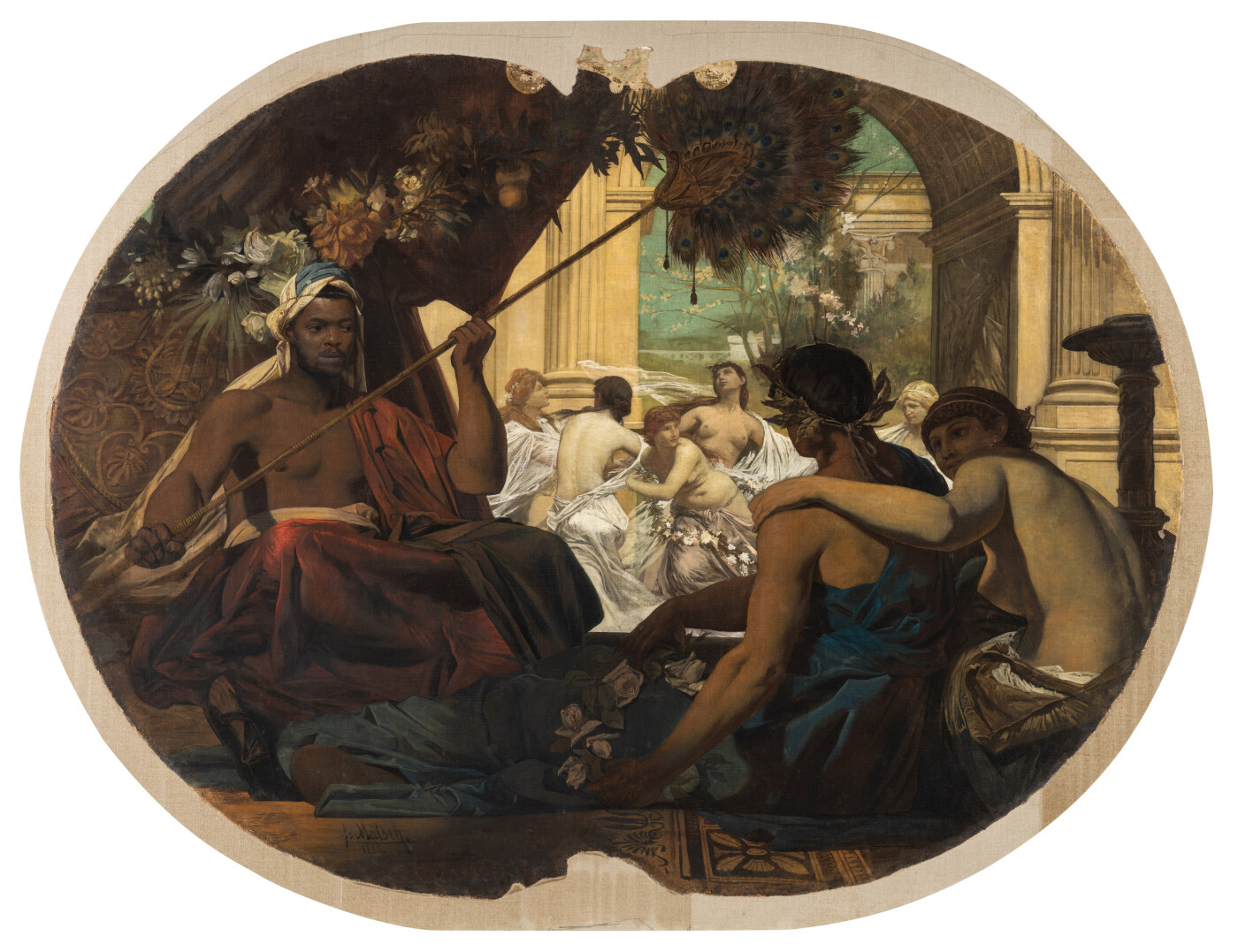
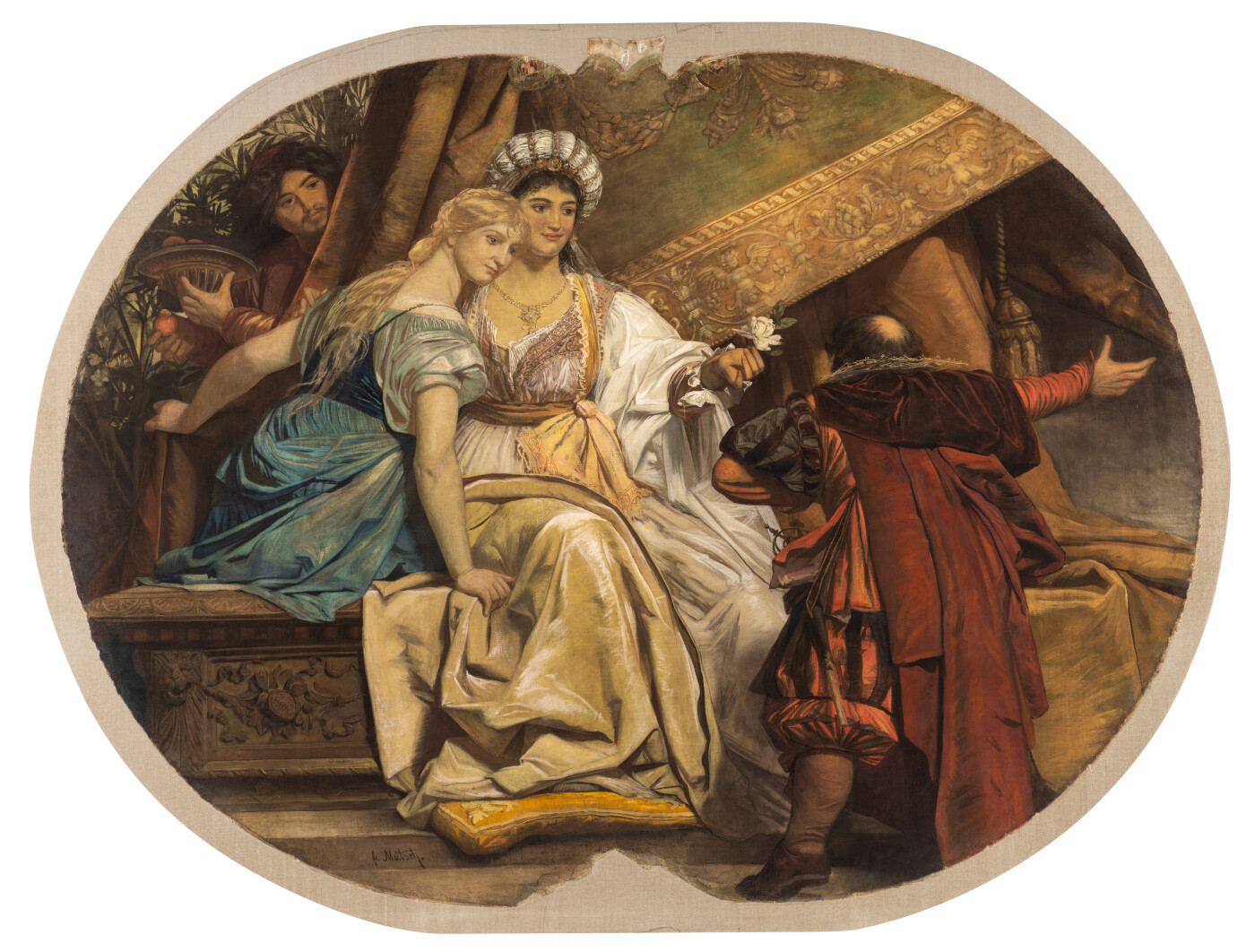
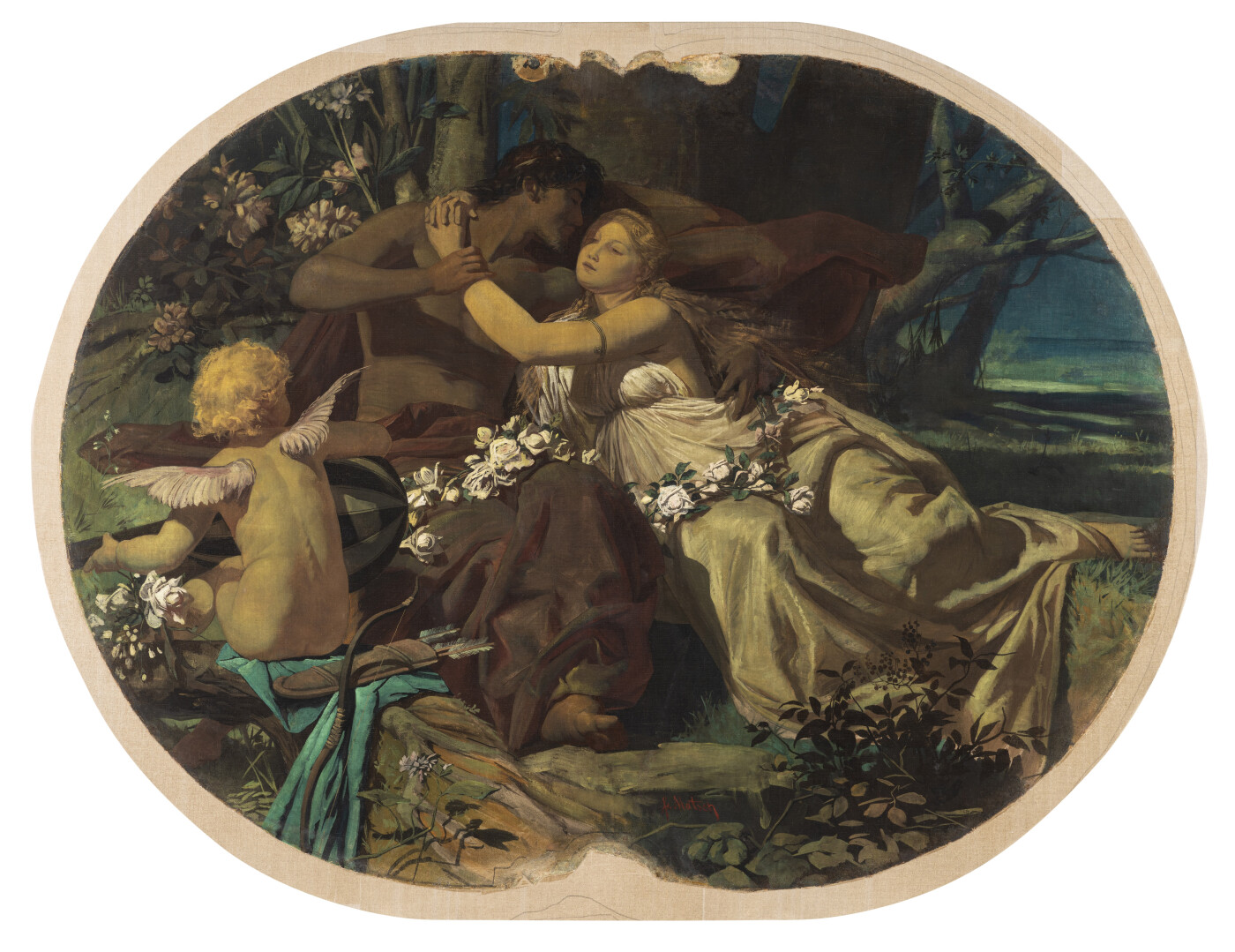
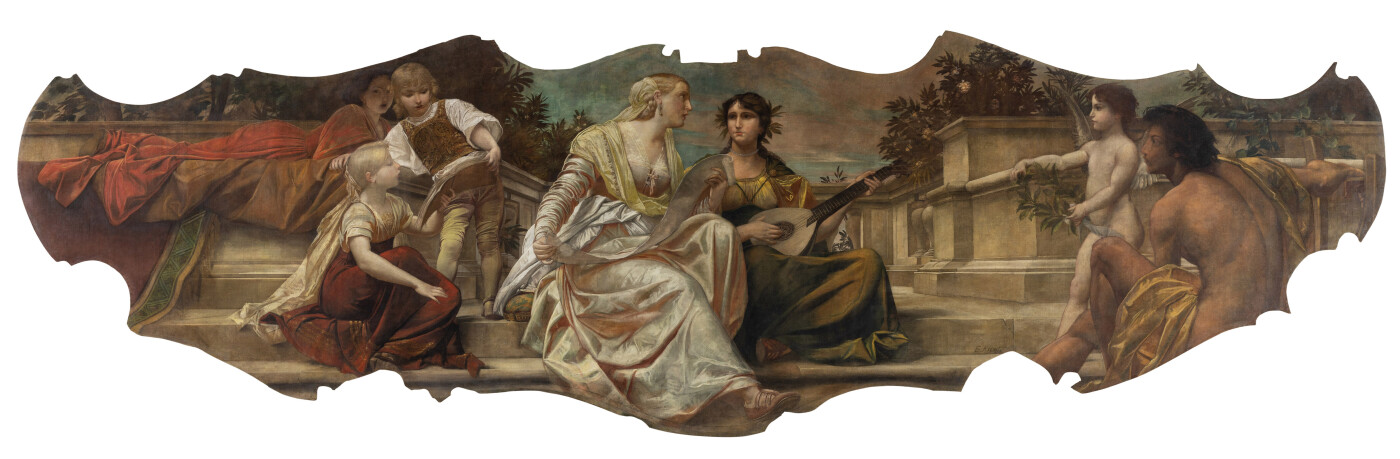
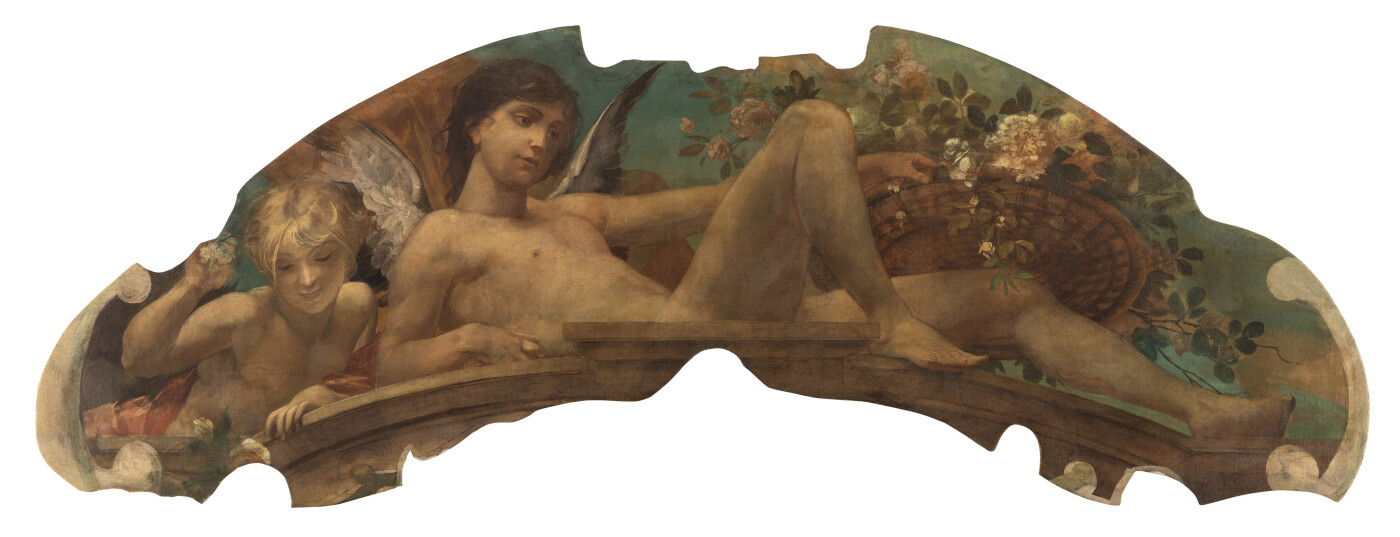
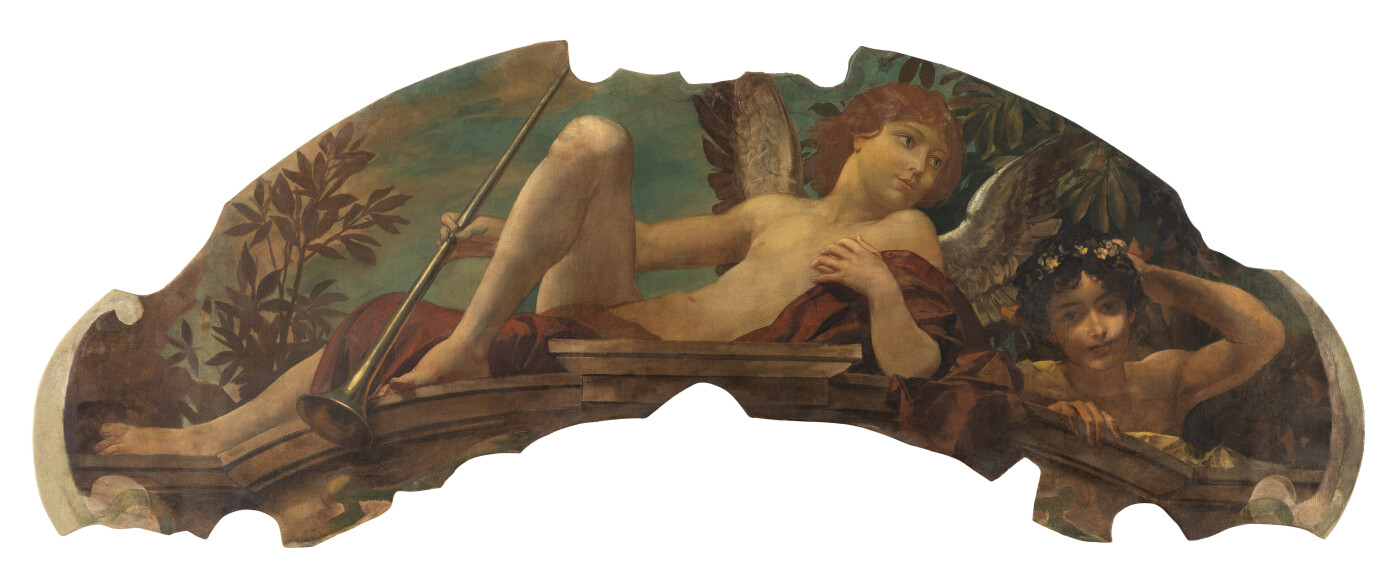
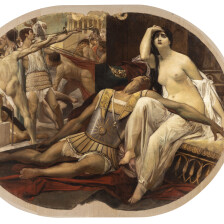
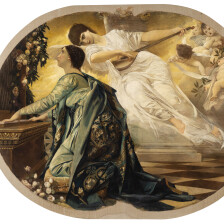
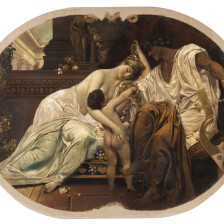
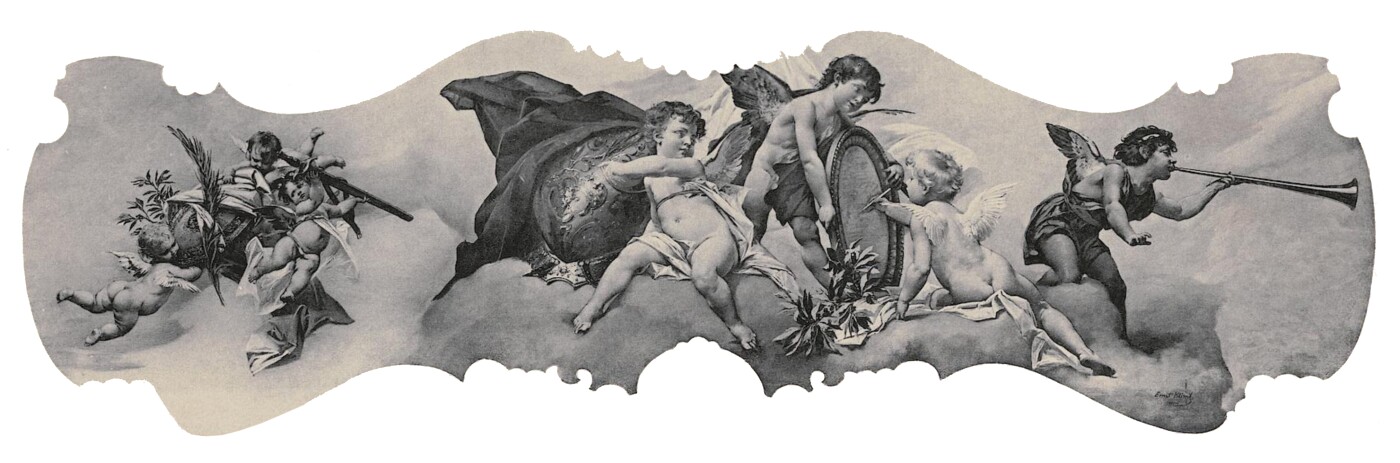
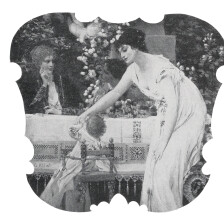
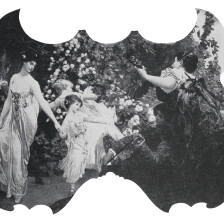
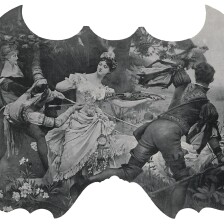
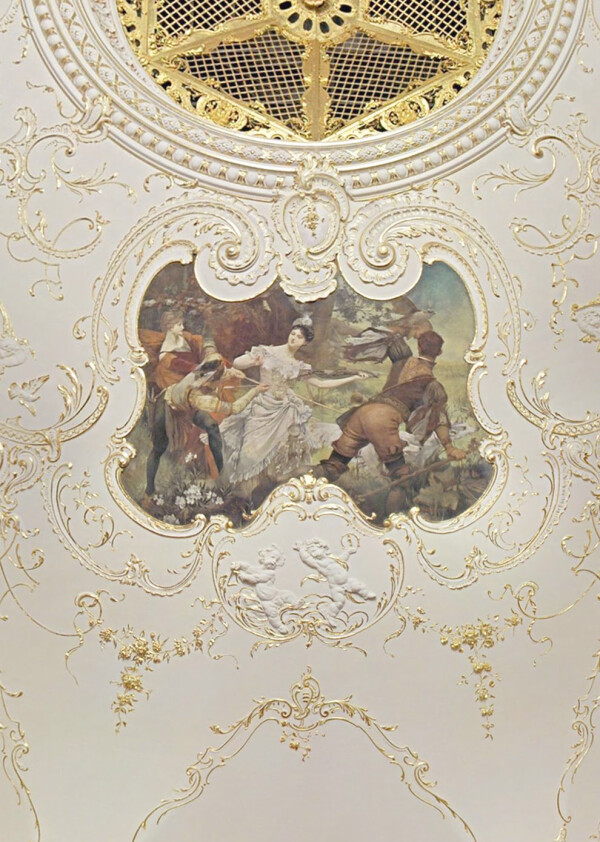
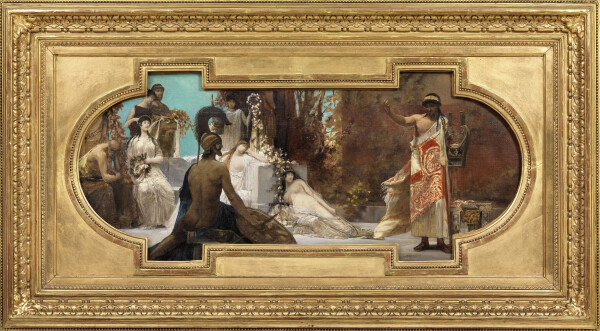
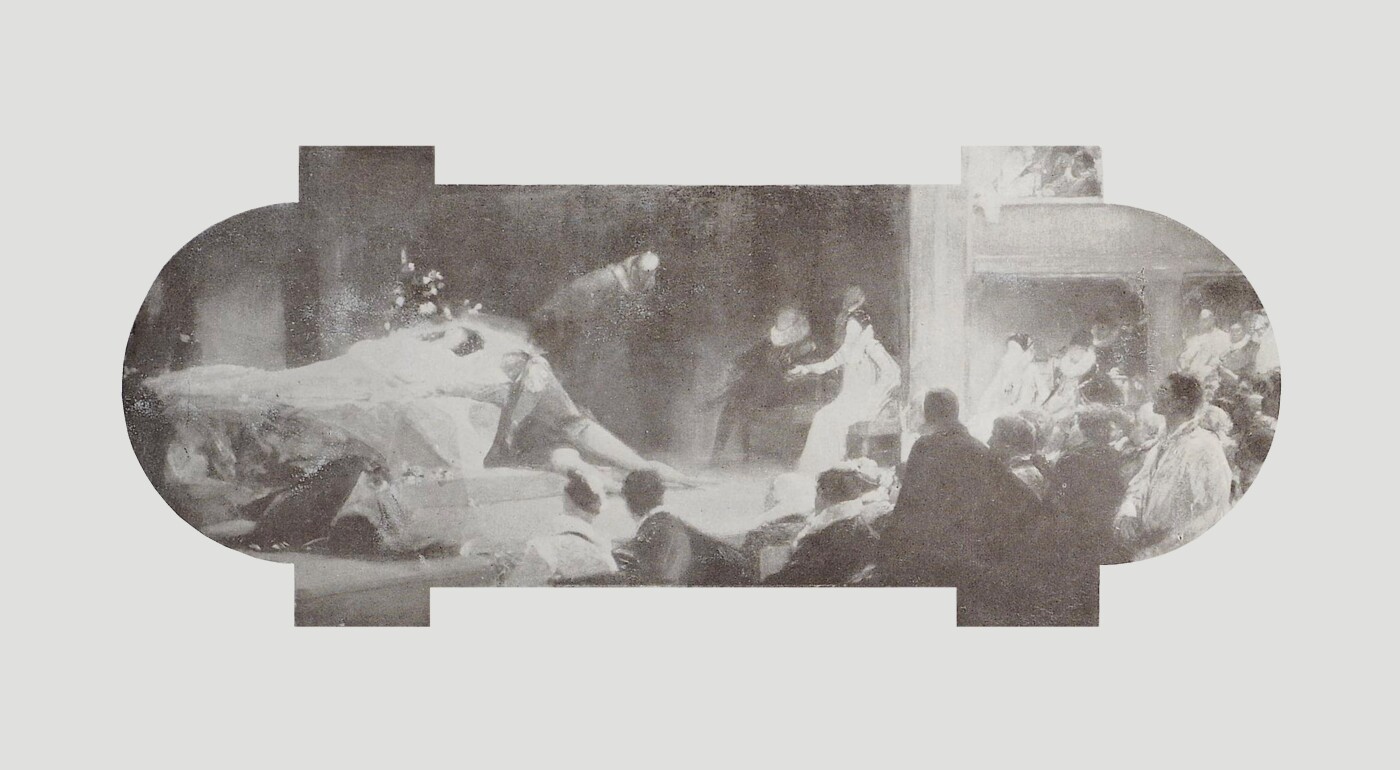
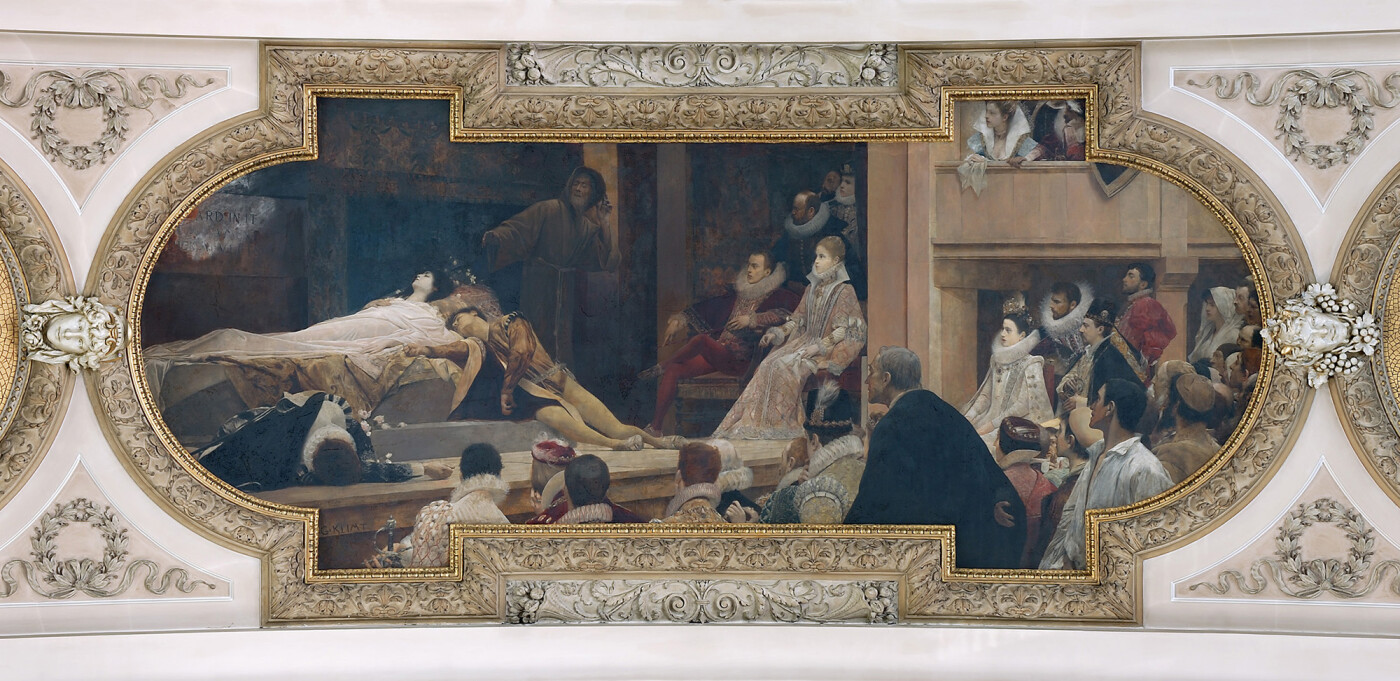
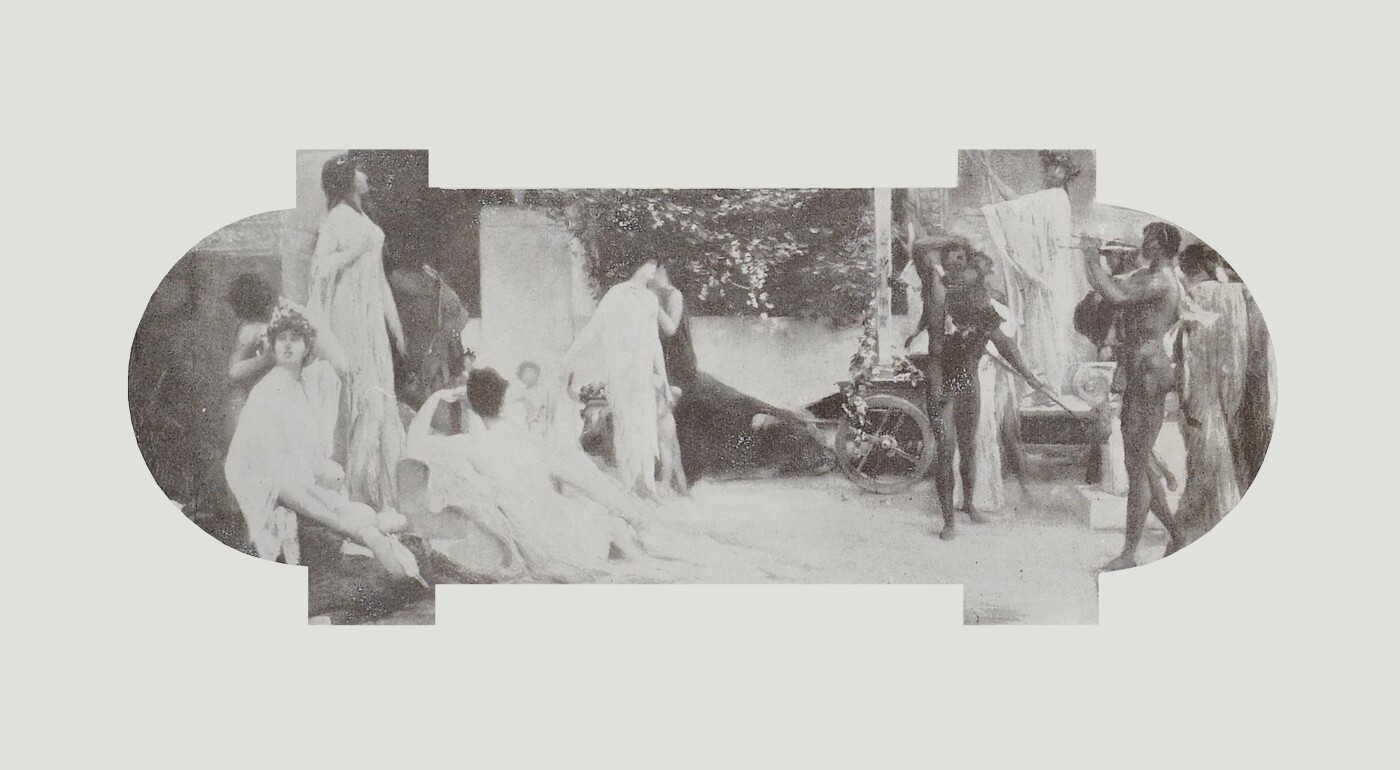
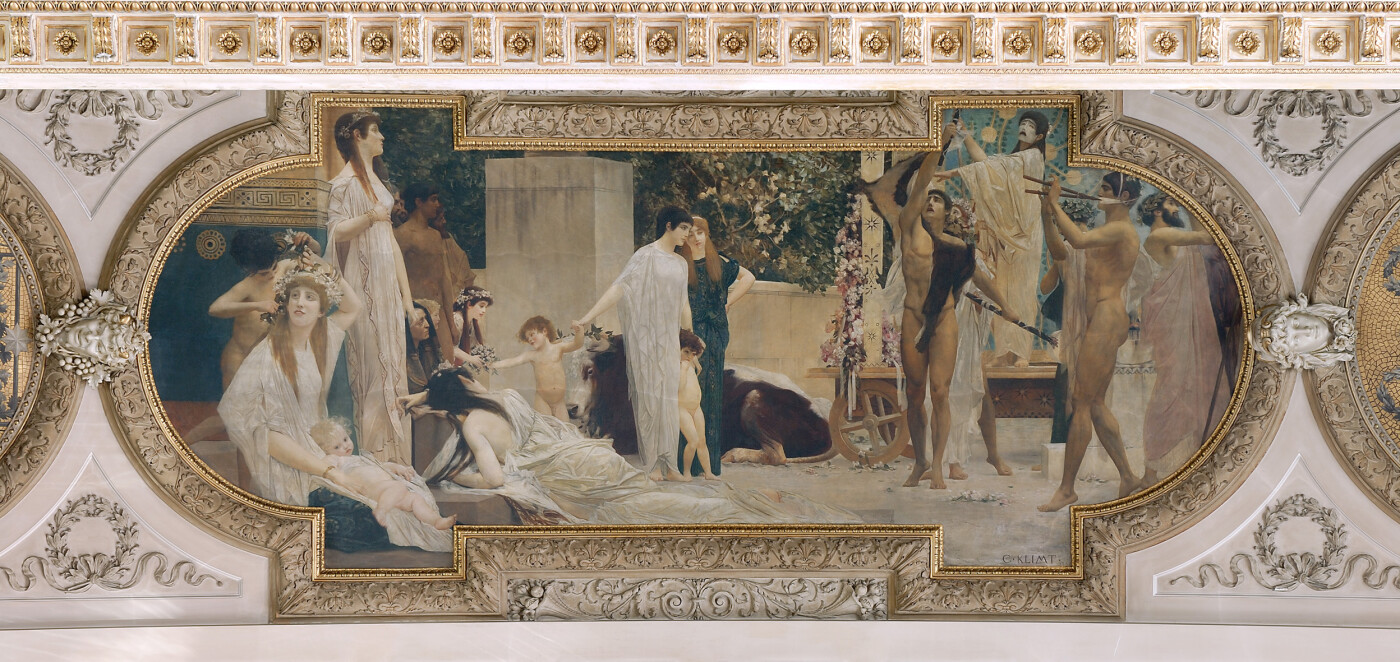
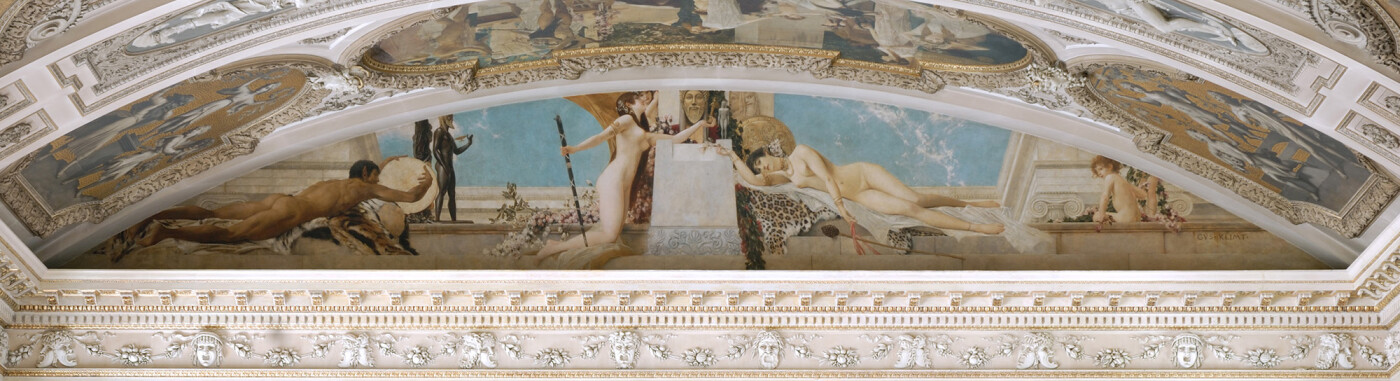
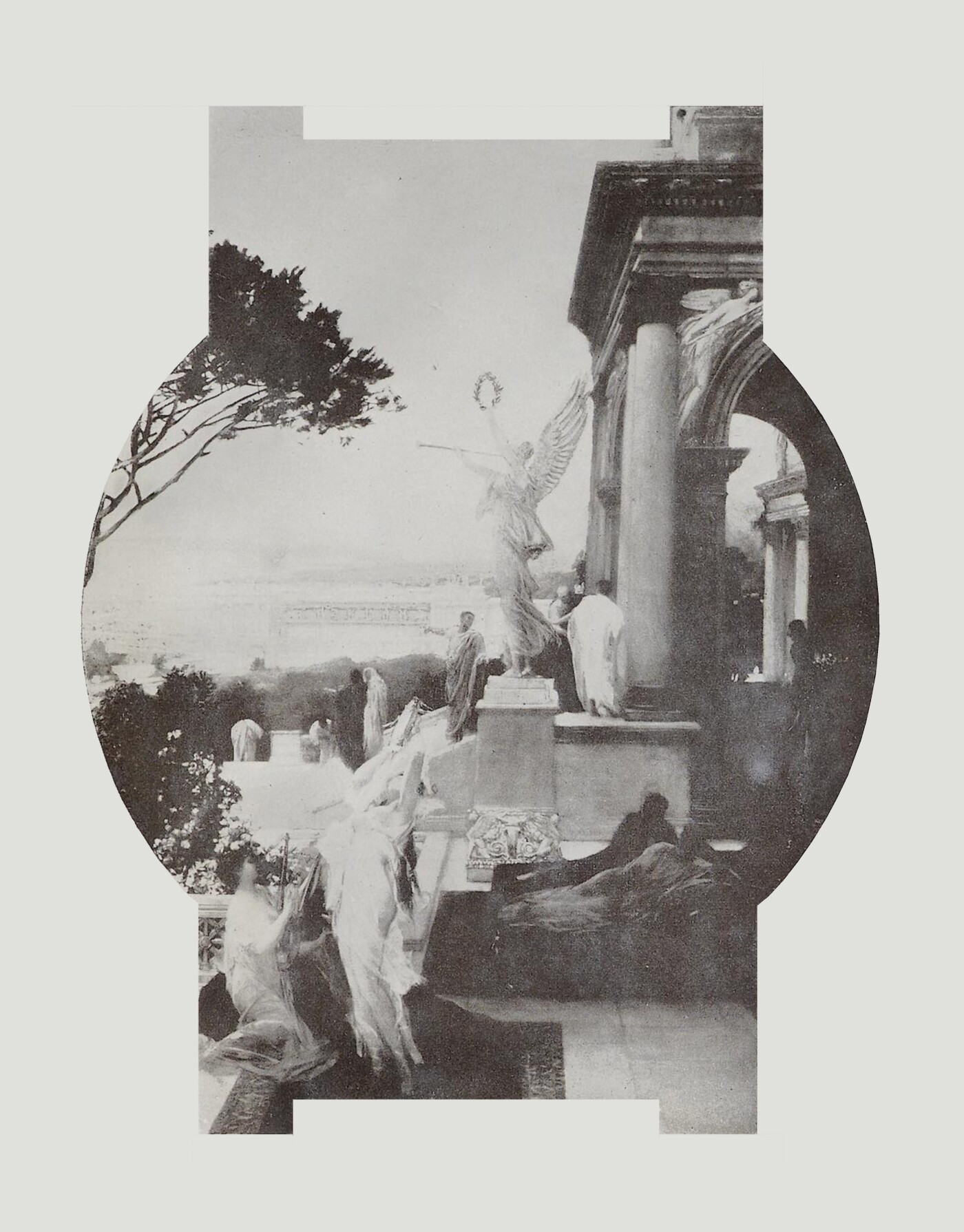
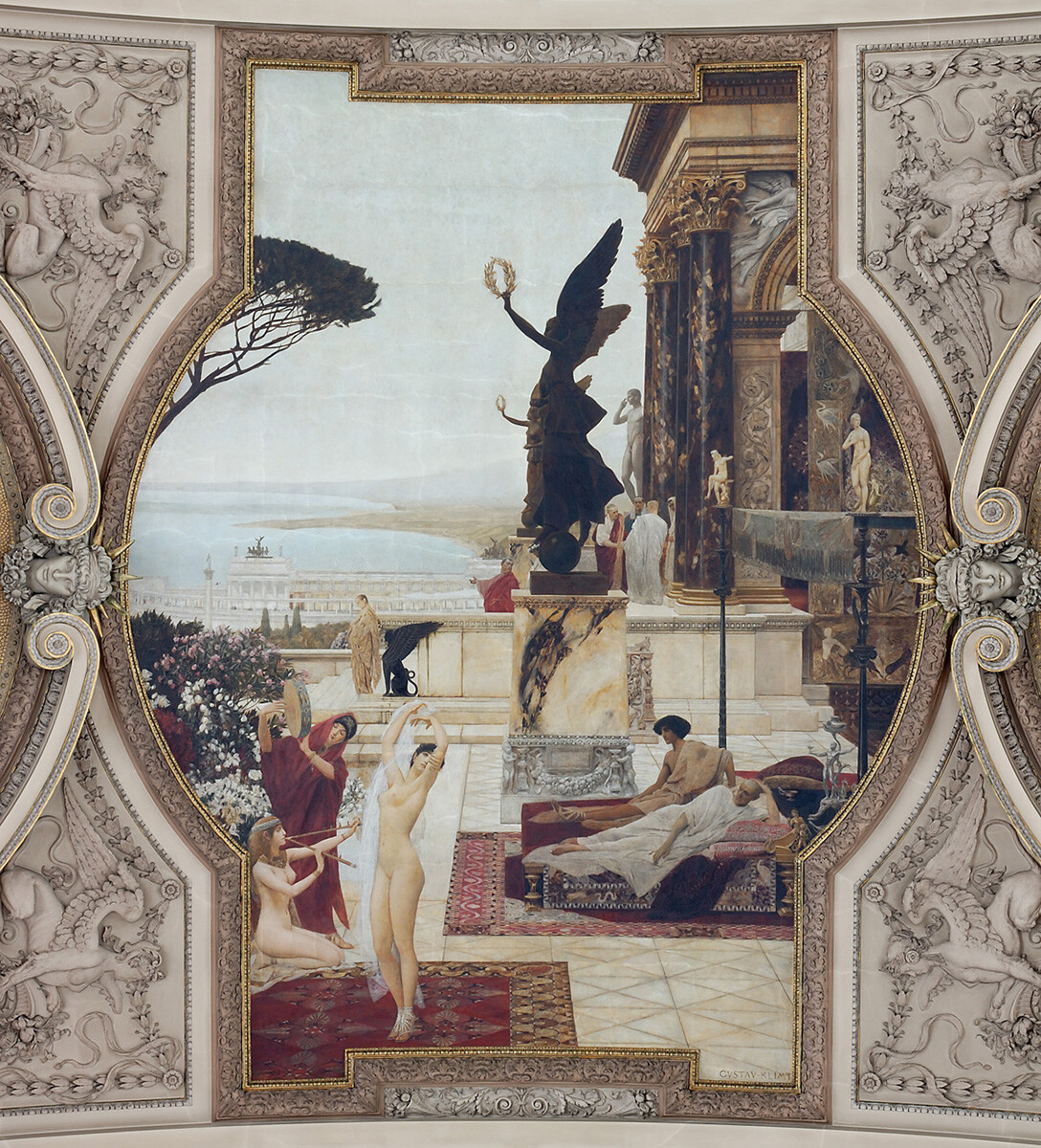
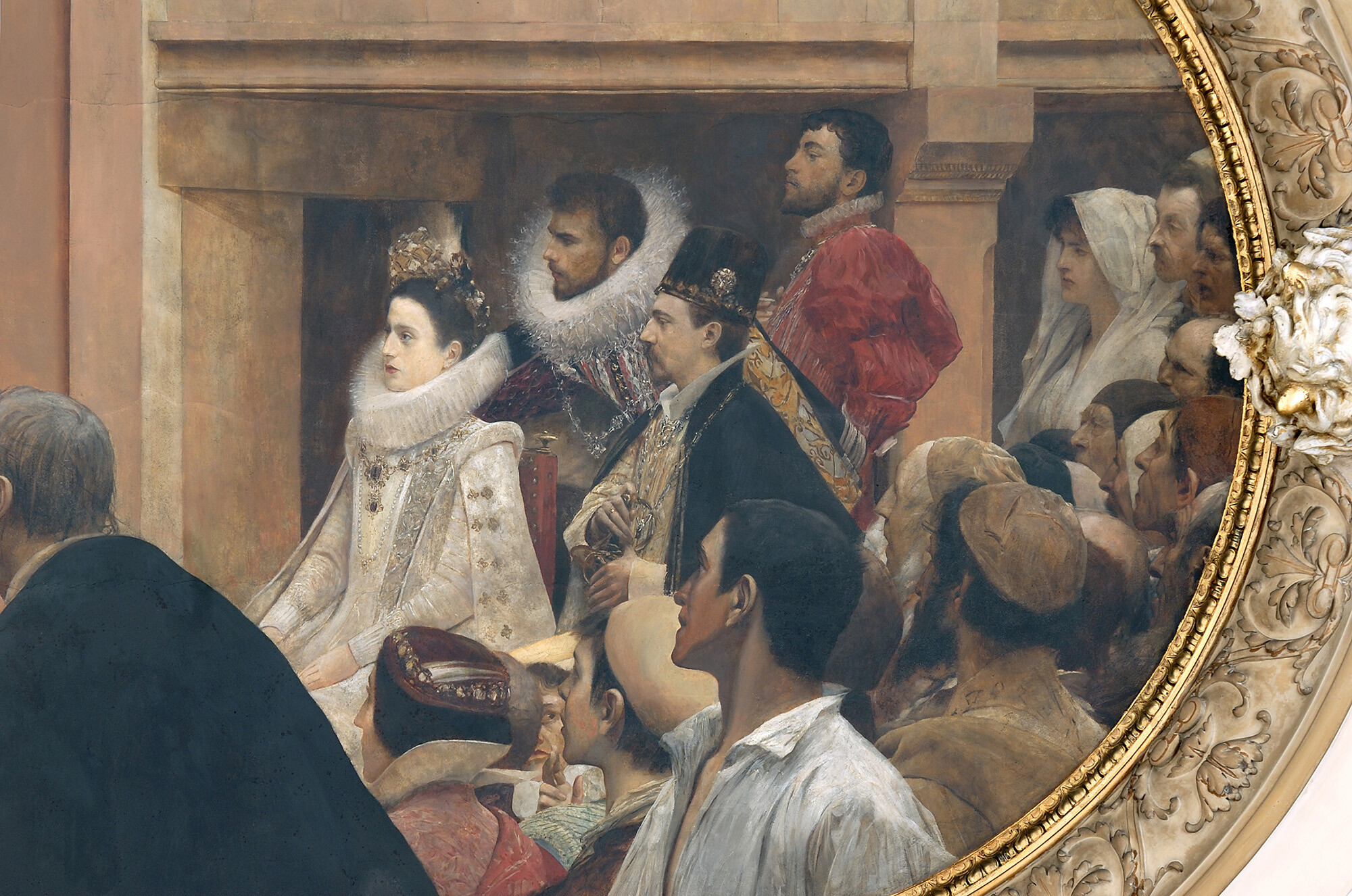
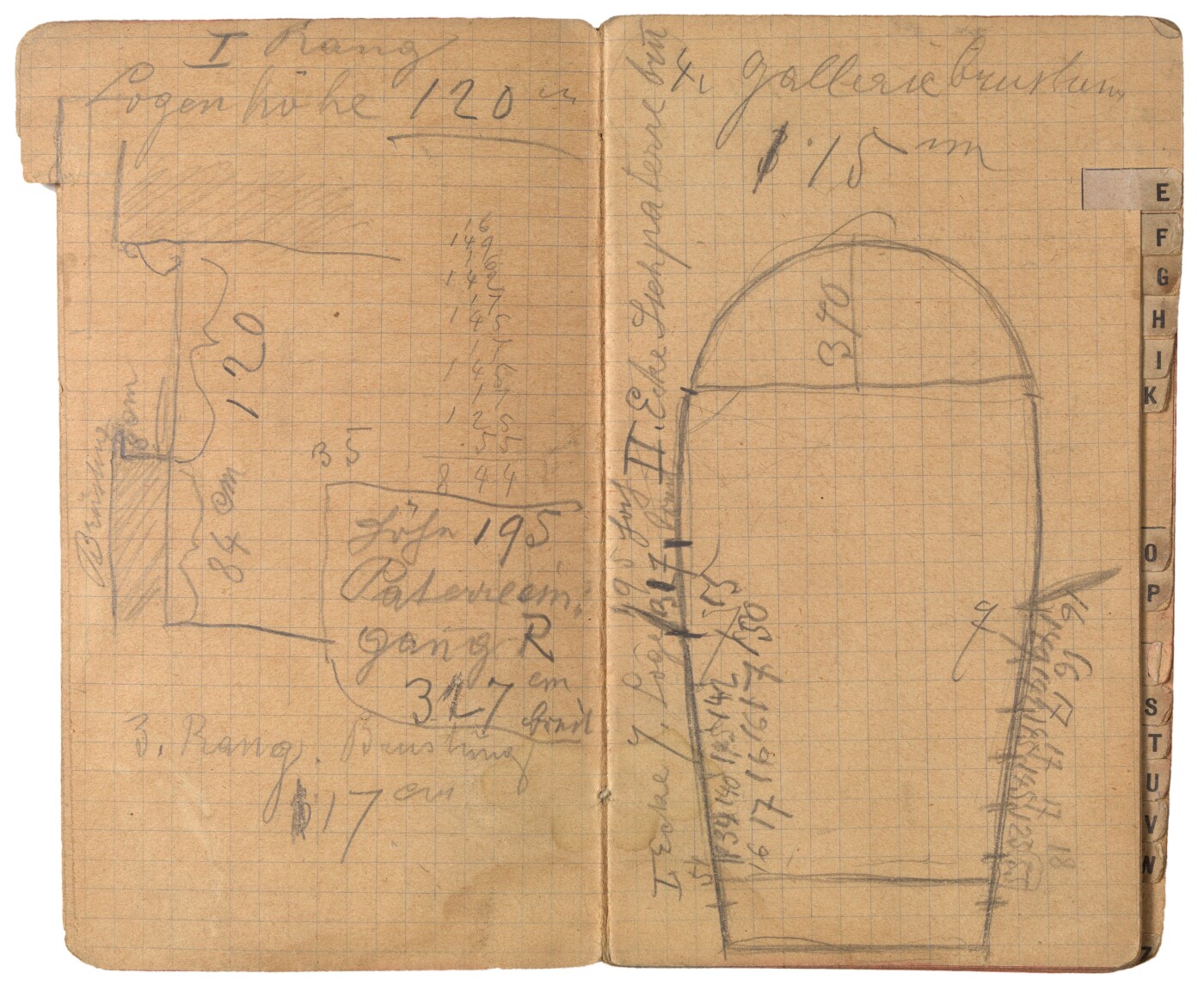
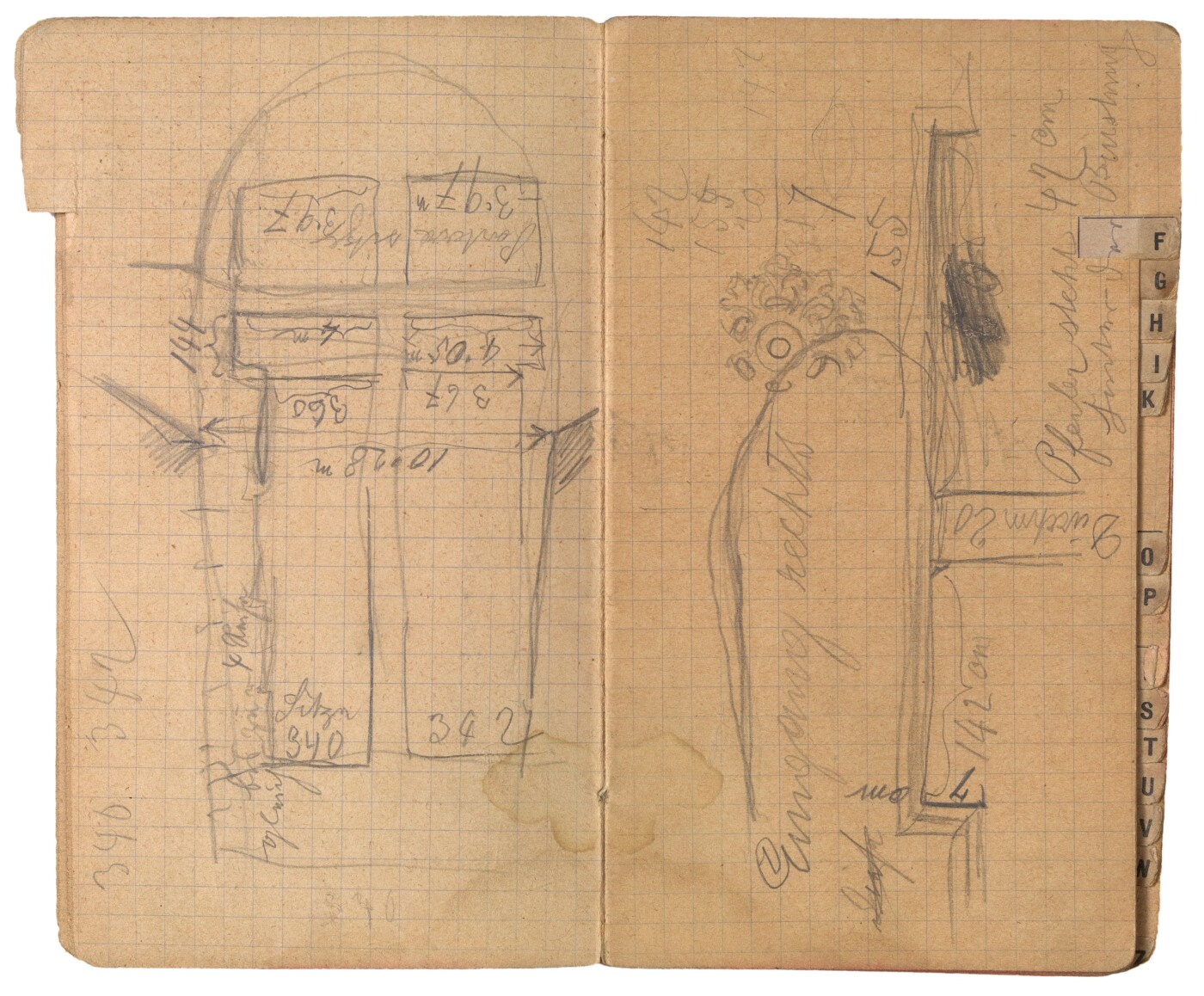
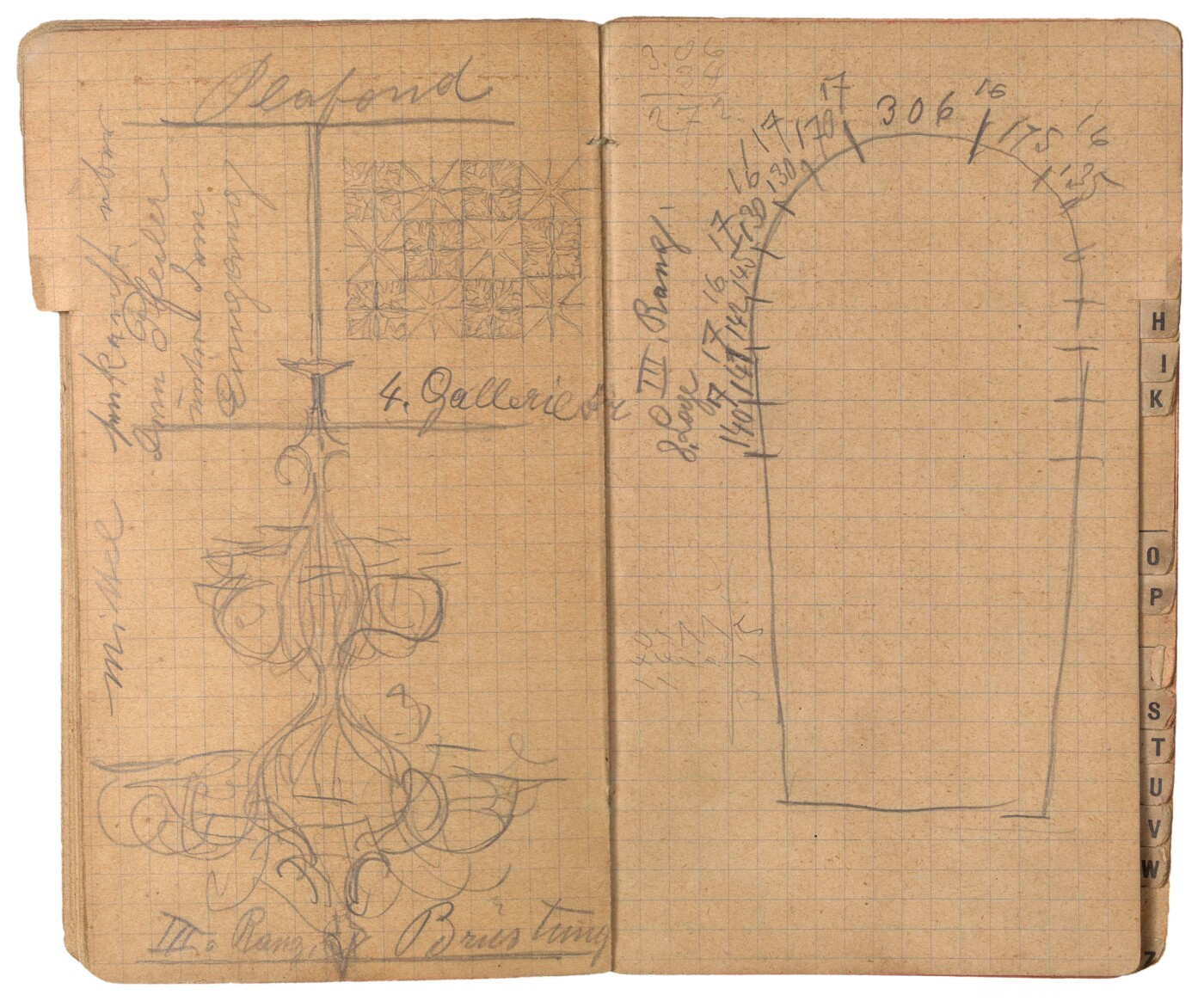
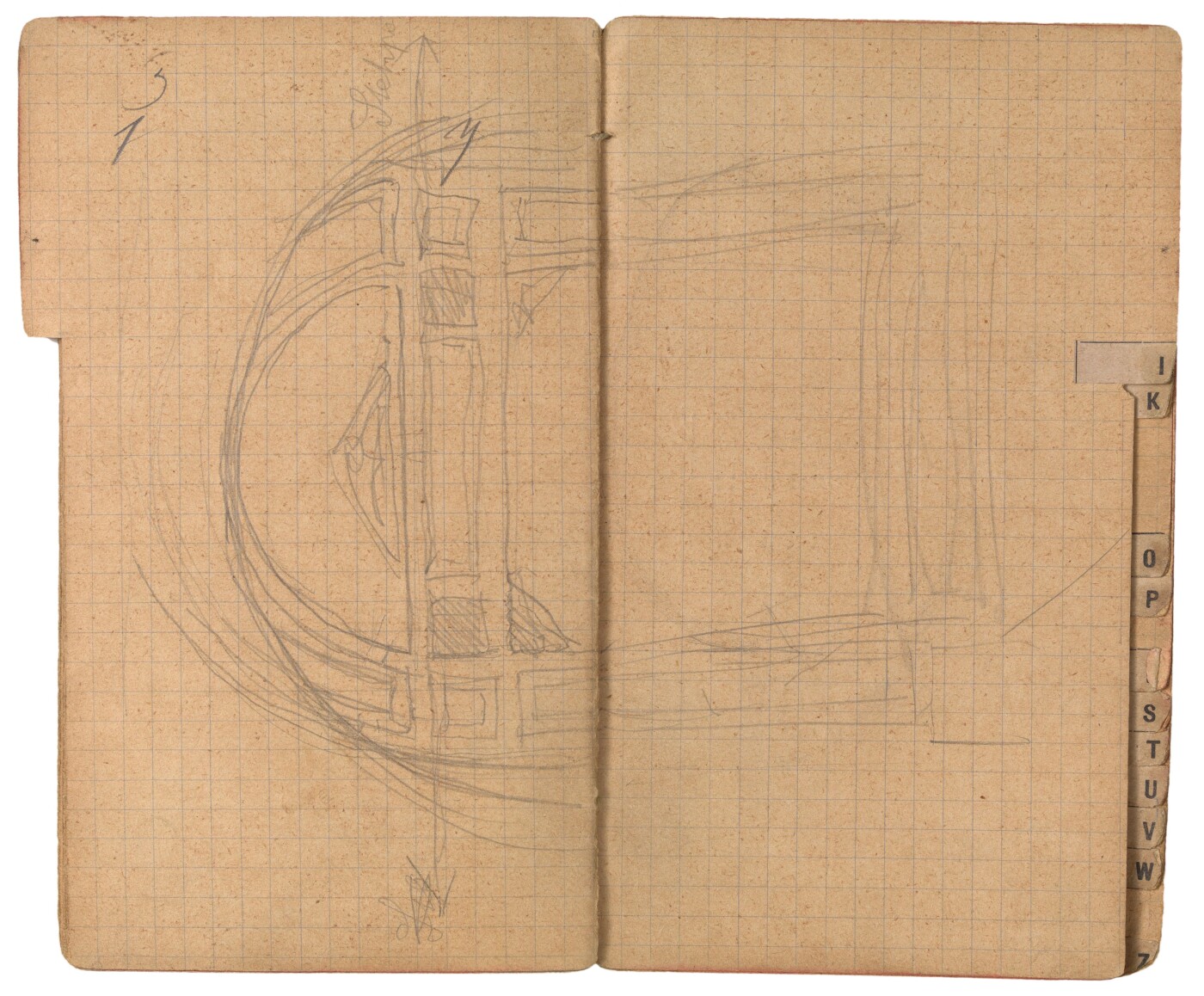
In 1882/83, the “Künstler-Compagnie” executed its first autonomous large-scale commission: Five ceiling paintings and the stage curtain for the newly built municipal theater in Reichenberg. Franz Matsch and the Klimt brothers received the commission through the architectural office Fellner & Helmer, who were in charge of the theater’s construction.
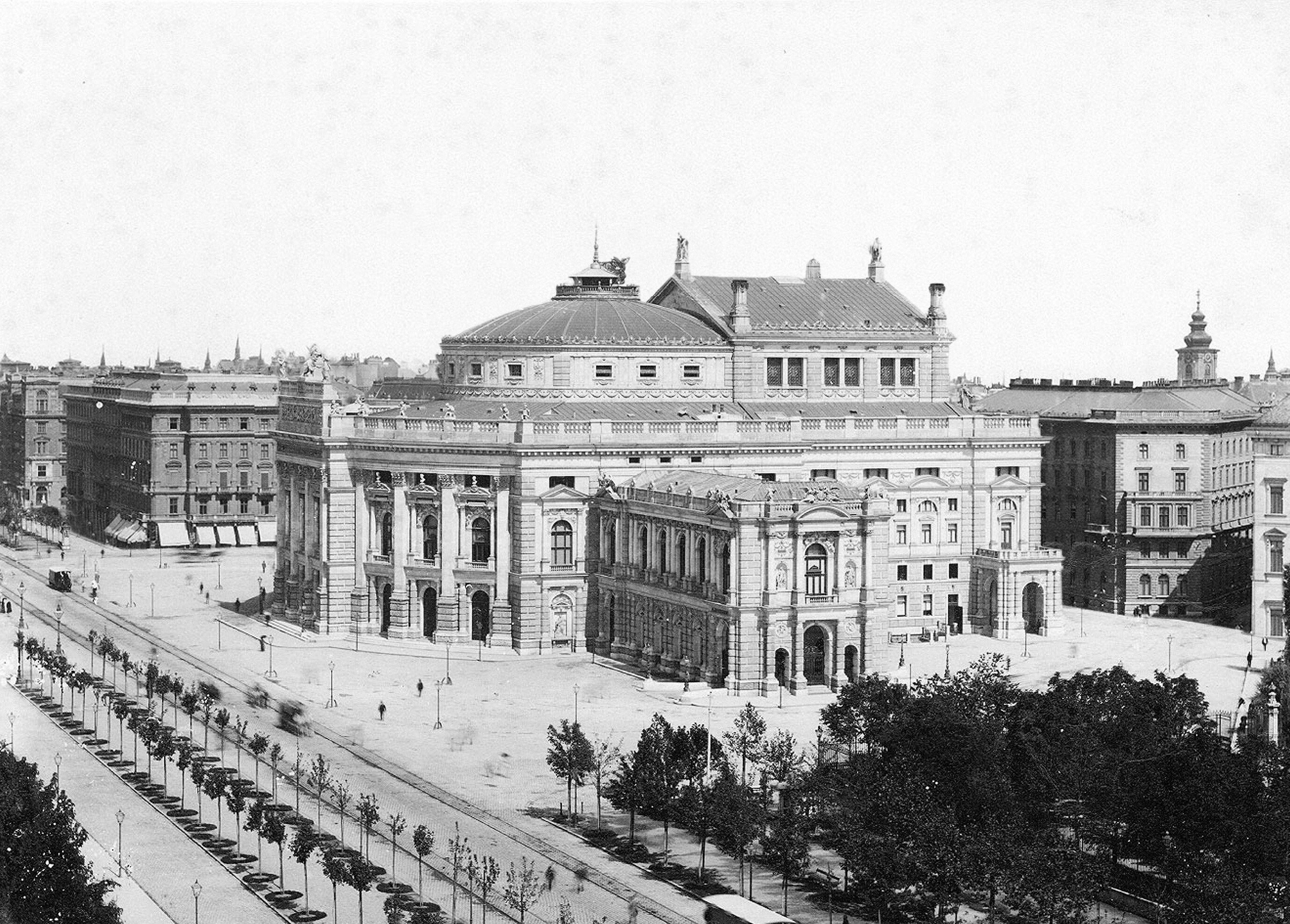
In June 1881, the city of Reichenberg (now Liberec, Czech Republic) entered into a contract with the two famous Viennese architects Ferdinand Fellner Jr. and Hermann Helmer, commissioning them to erect a new municipal theater (now F. X. Šalda-Theater), which was to open as early as the autumn of 1883. According to the newspaper Die Presse, dated 23 June 1881, Fellner & Helmer were asked to submit their detailed plans and cost estimate by the end of August, as the city intended for construction to start in the autumn. Various media reports indicate that the requested documents were submitted to the municipality in early September. Fellner & Helmer personally presented the plans for the theater, which they designed as a free-standing building, to the city council in Reichenberg. The newspaper Wiener Allgemeine Zeitung reported on 8 September 1881 that “the city councilors announced the construction of the new theater according to the architects’ much-lauded plans […].” The budget for the building project, which was to last several years, was set for 230,000 guilders (c. 3,234,000 euros), but, in the end, exceeded the sum of 300,000 guilders (c. 4,219,000 euros).
The dedicated master builders from Reichenberg, Sachers and Gärtner, began construction work in 1881. Together with the Viennese architectural office, they completed the building on schedule in 1883. The inauguration ceremony was held on 29 September 1883. According to the Prague newspaper Prager Tagblatt, it was attended by Fellner & Helmer, who were “honored by the audience in a highly complementary manner.”
Commissioning of the “Künstler-Compagnie”
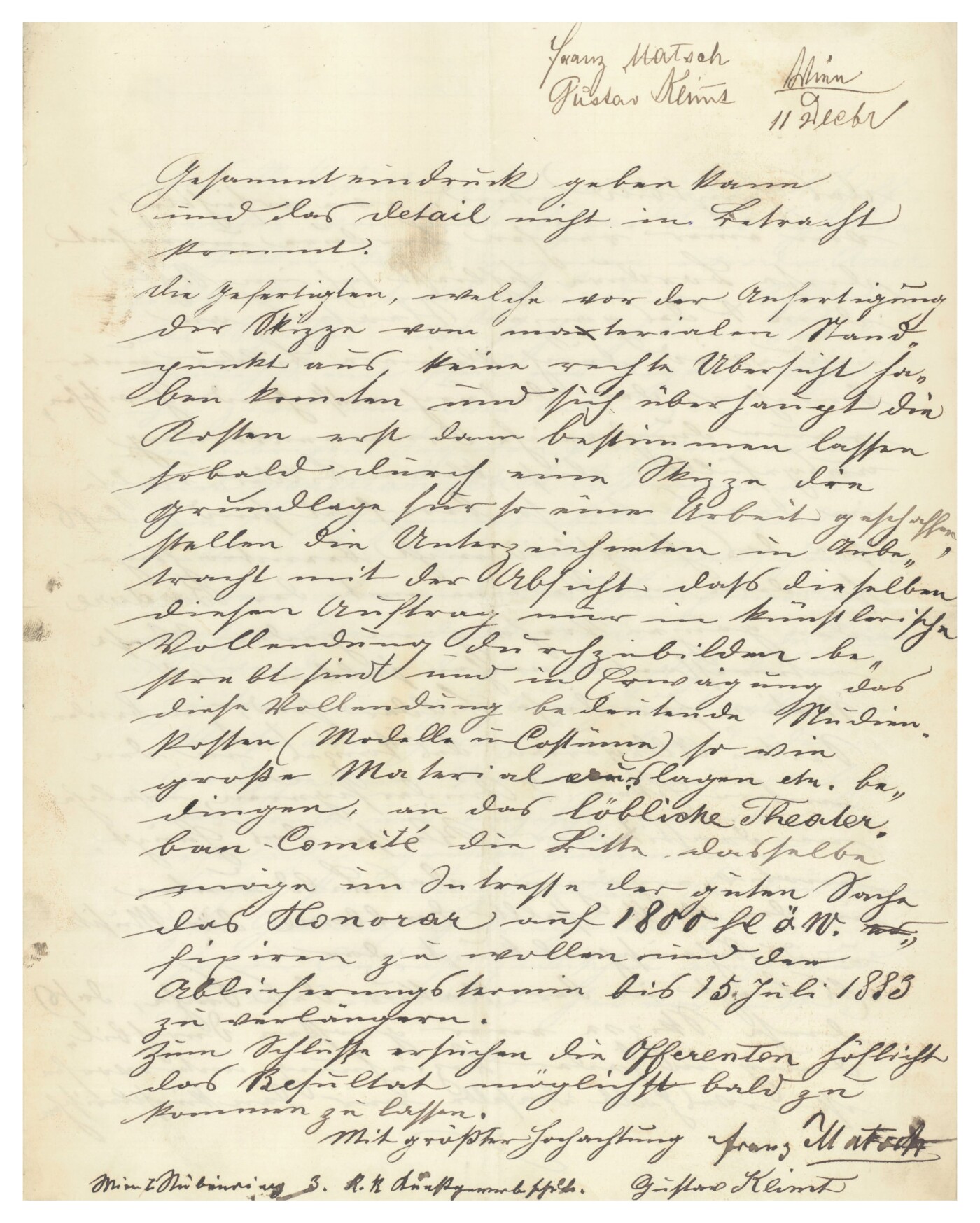
In the autumn of 1882, Franz Matsch and Gustav Klimt – likely at the recommendation of Fellner & Helmer – received a request from Reichenberg to create a sketch for the municipal theater’s main stage curtain. In the two young artists’ extant reply – written on stationary from the architectural office Fellner & Helmer and dated 10 October 1882 – they accepted the request, and promised to send a draft by early December. Should their design be accepted, they initially set the price for its realization at 1,500 guilders (c. 21,260 euros), and later at 1,800 guilders.
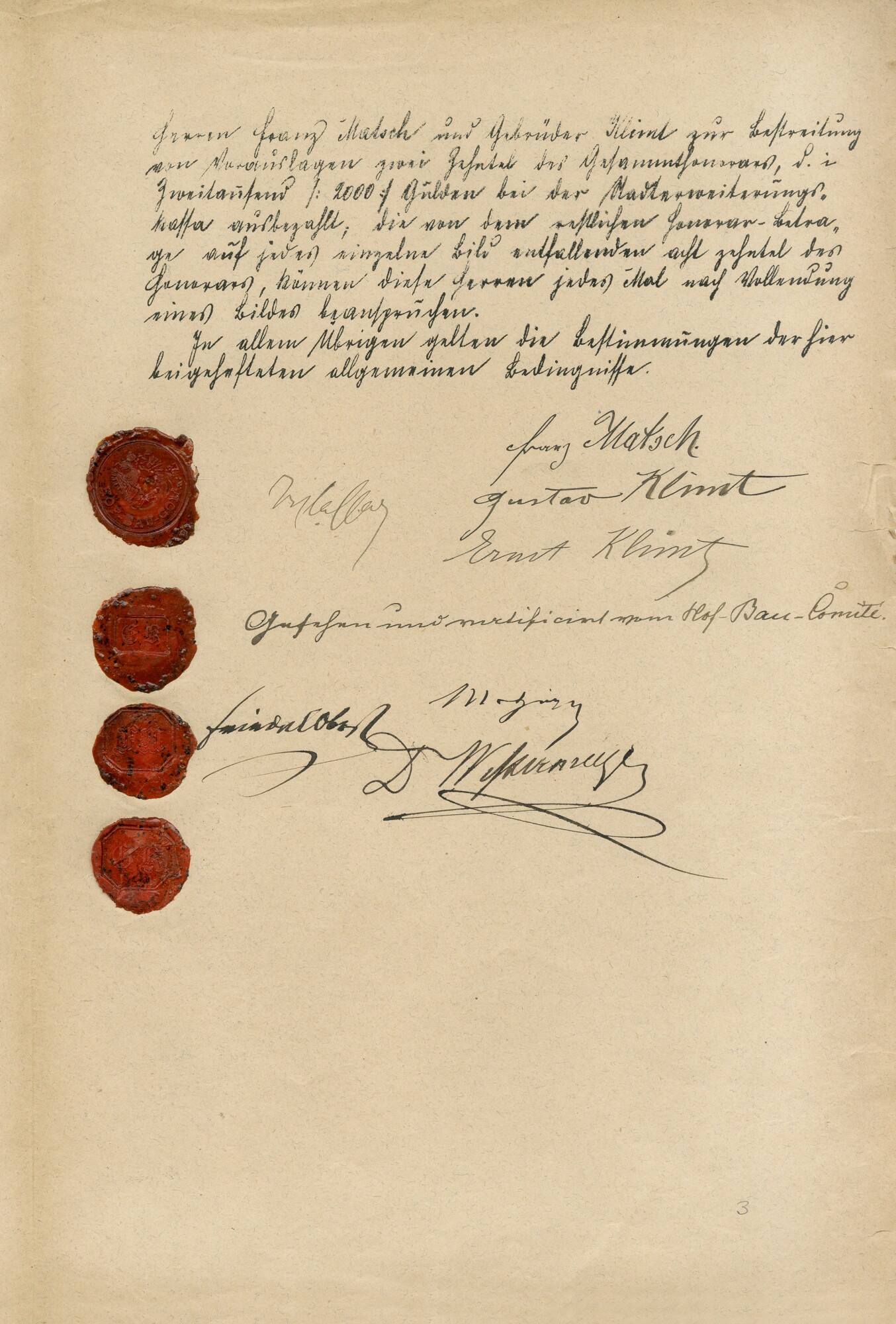
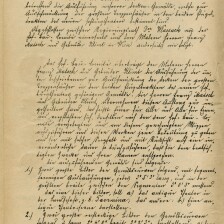
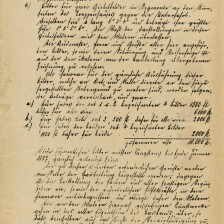
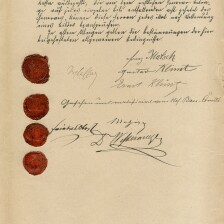
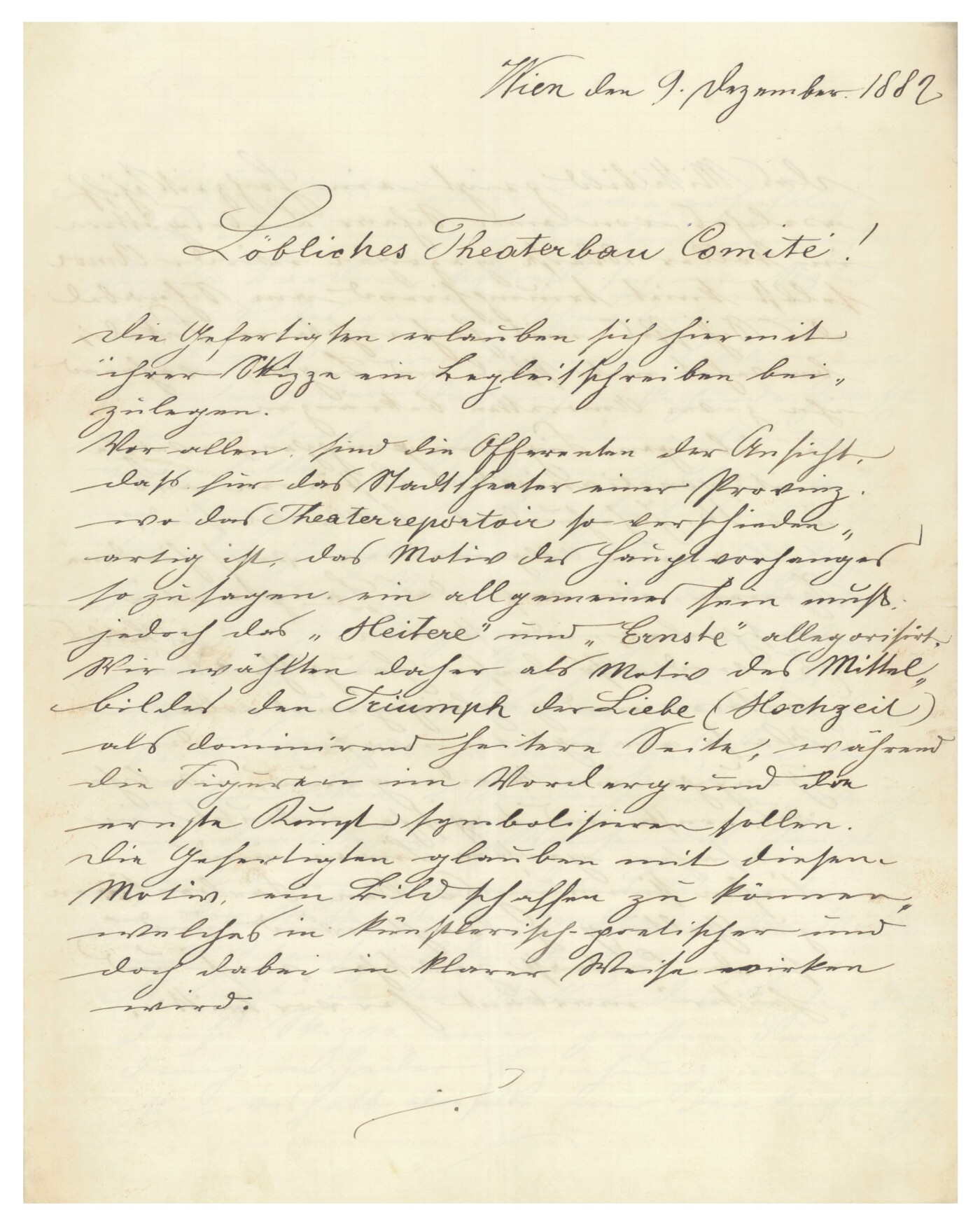
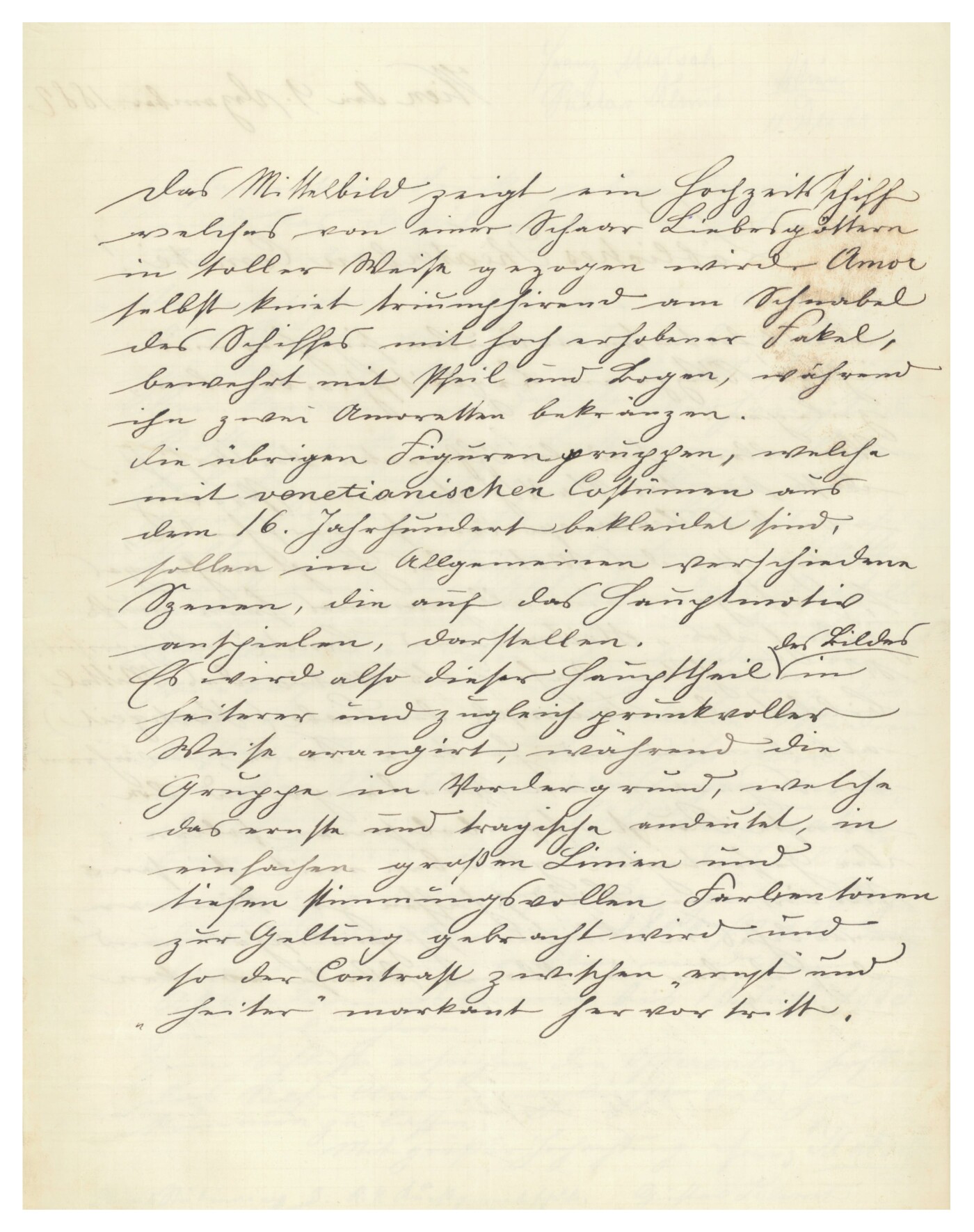
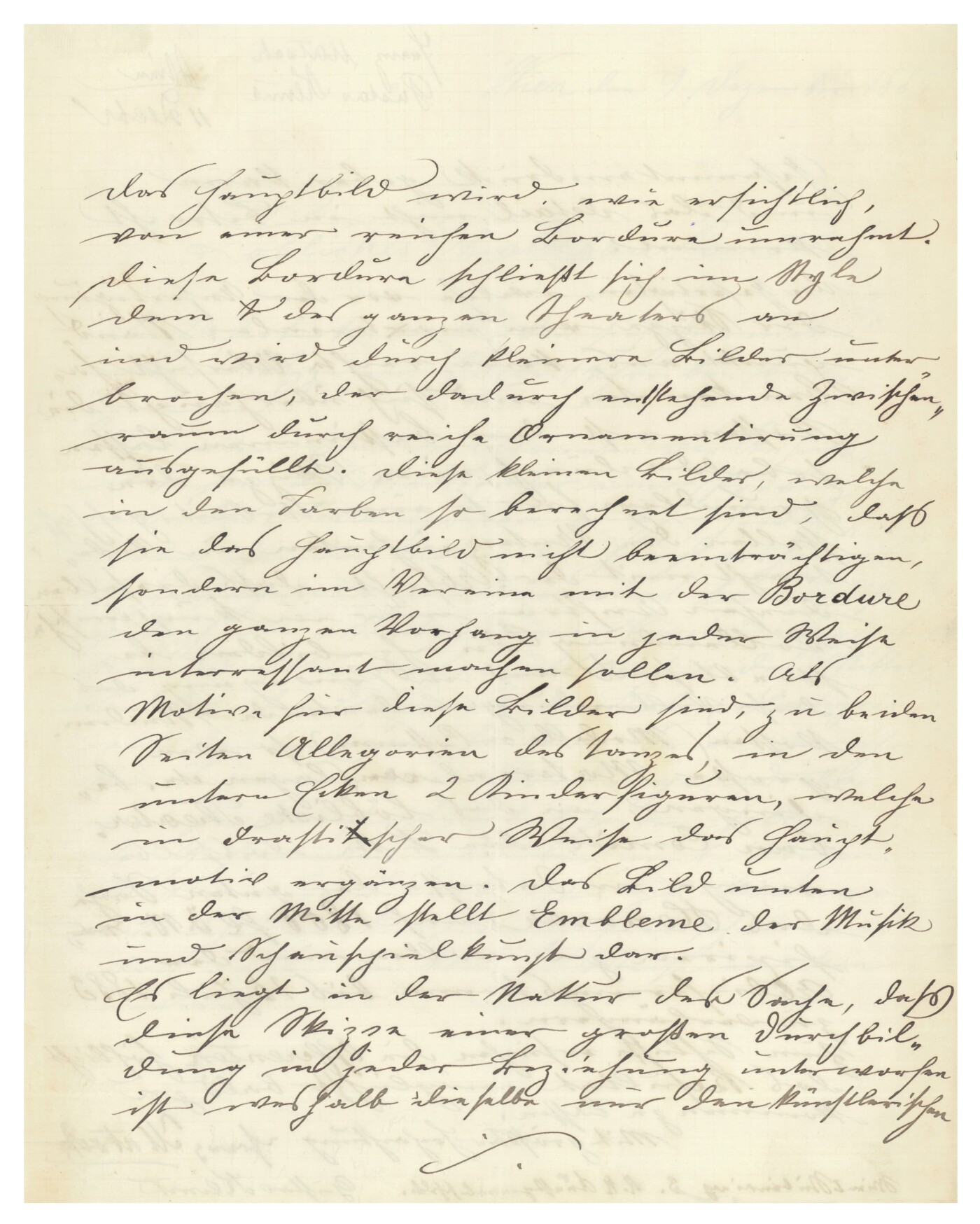
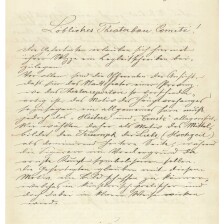
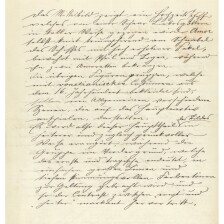
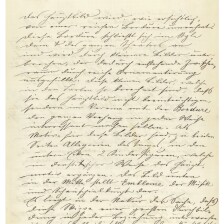
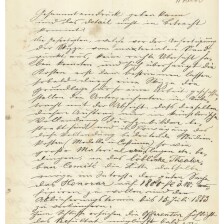
According to the correspondence kept at the State District Archive Liberec (SOkA Liberec), the sketch was delivered nearly on schedule in December 1882 to the theater construction committee, along with a detailed program description:
“The offerers believe that, for the municipal theater of a province, whose repertoire has to be especially varied, the motif of the main stage curtain should be a general one; one that allegorizes both the ‘merry’ and the ‘solemn.’ […] We thus chose the triumph of love (marriage) as the motif for our central depiction to express the merry aspect, while the figures in the foreground are meant to symbolize solemn art […].”
Letter from Franz Matsch in Vienna to the Theater Construction Committee in Reichenberg, Co-Signed by Gustav Klimt
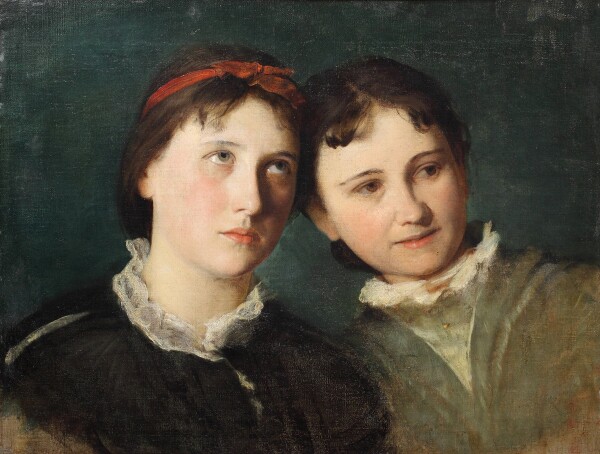
Franz Matsch sen.: Hermine and Klara Klimt, around 1882
© Belvedere, Vienna
In January 1883, the committee in charge decided to commission the Viennese artists with the execution of the theater curtain sketch, which was deemed “very beautiful and artistic.” The delivery of the finished curtain Allegory of Merry and Solemn Art (1882/83) was scheduled for 15 July 1883.
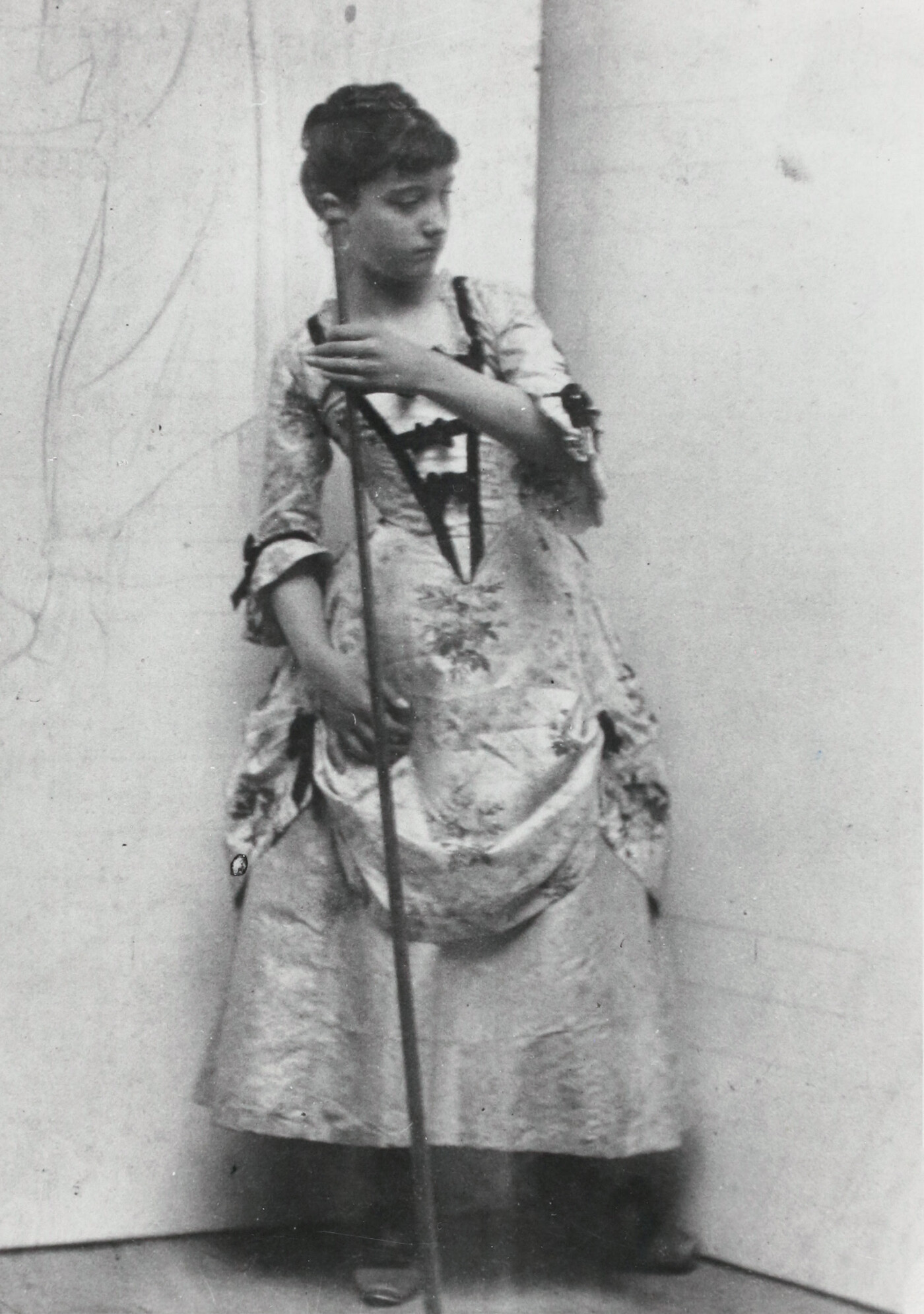
The signature, placed in the central depiction, reveals that Franz Matsch as well as Gustav and Ernst Klimt worked on the stage curtain together. It has thus far been difficult to distinguish exactly which artist worked on which part. Owing to a sketch, it is believed that Gustav Klimt painted the standing male figure in the middle of the wedding ship. The group of figures gathered at the stern of the ship, too, is ascribed to the elder Klimt brother. The two female figures next to the group were most likely painted by Matsch. They form part of the wedding party and are reminiscent in their composition of a portrait created by Matsch of the sisters Hermine and Klara Klimt (c. 1882, private collection).
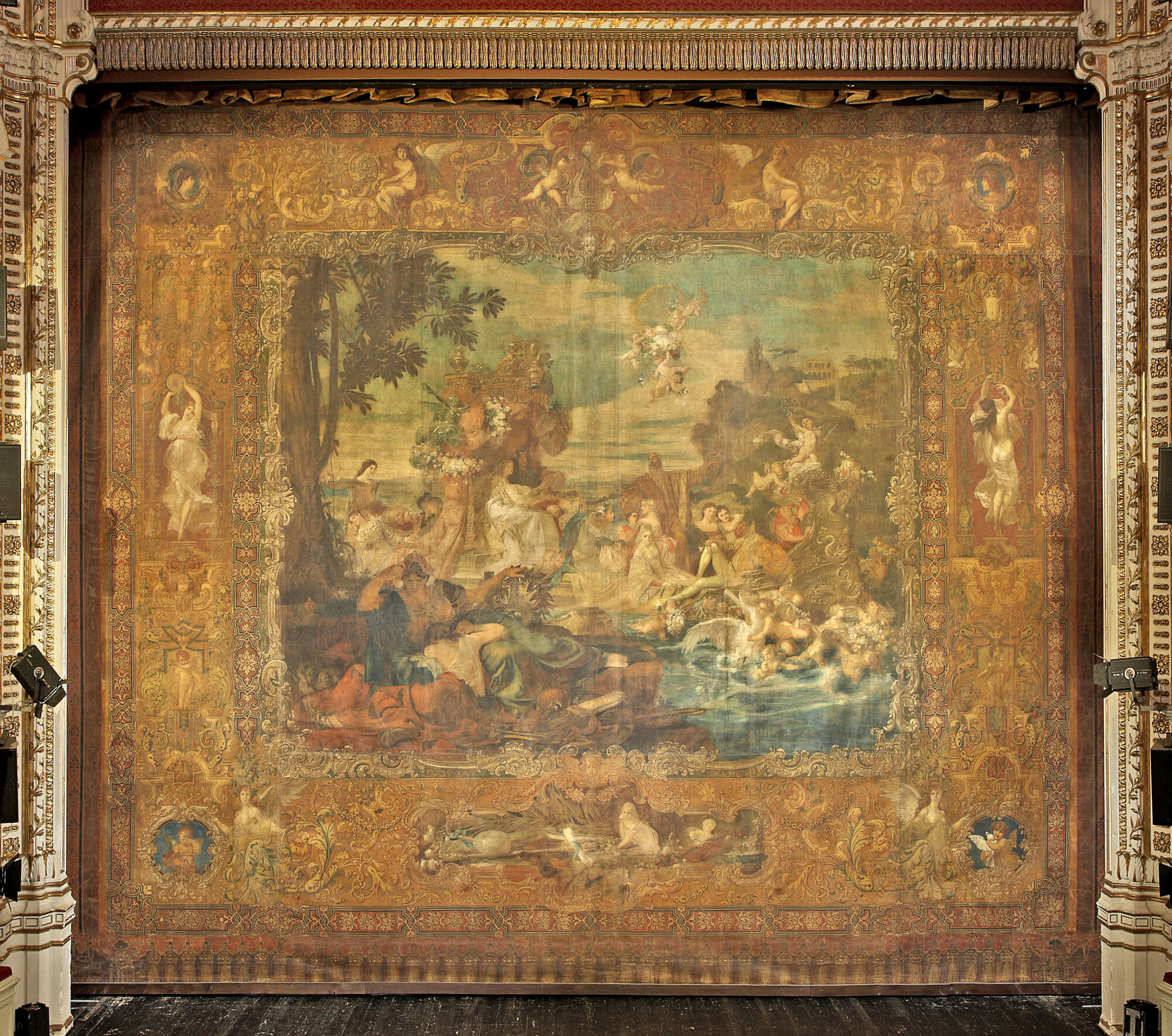
Gustav Klimt, Ernst Klimt, Franz Matsch: Allegory of Merry and Solemn Art, 1882/83, F. X. Šalda-Theater
© Divadlo F. X. Šaldy
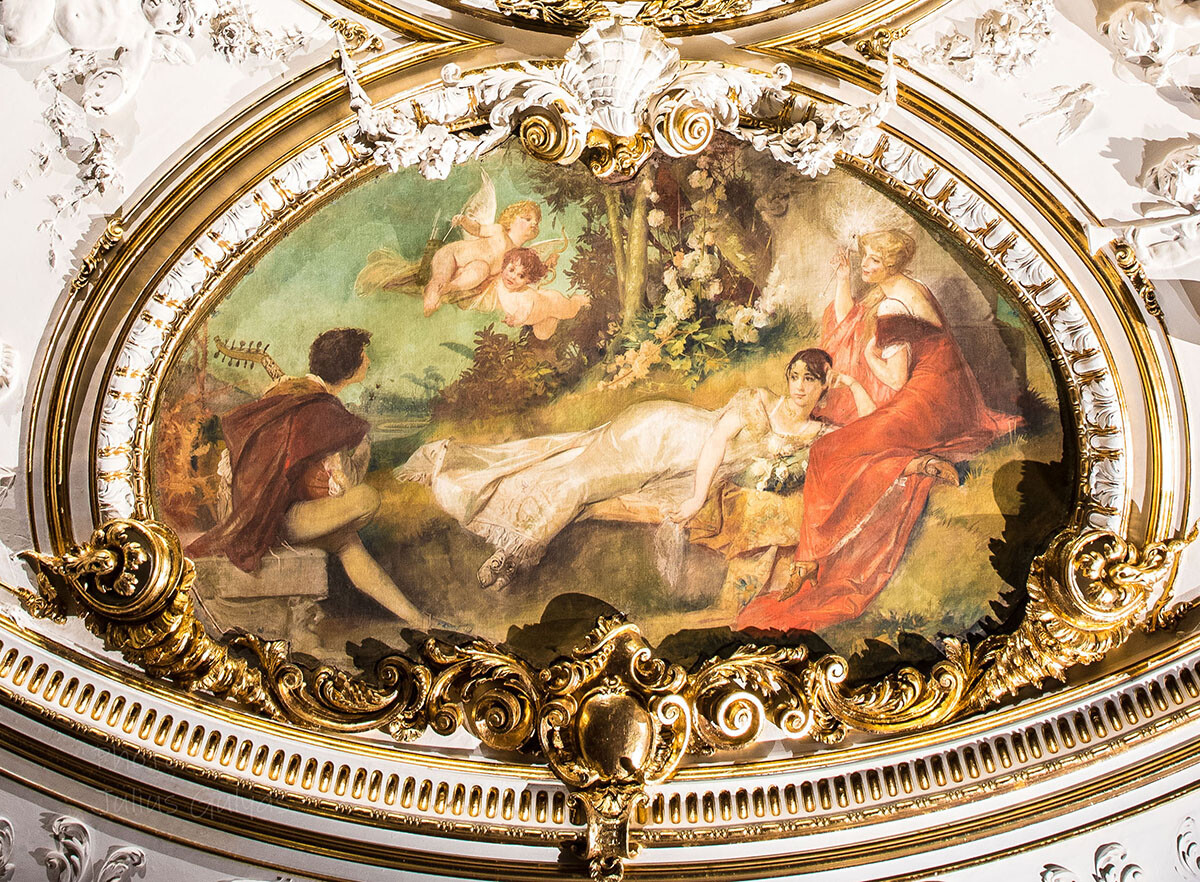
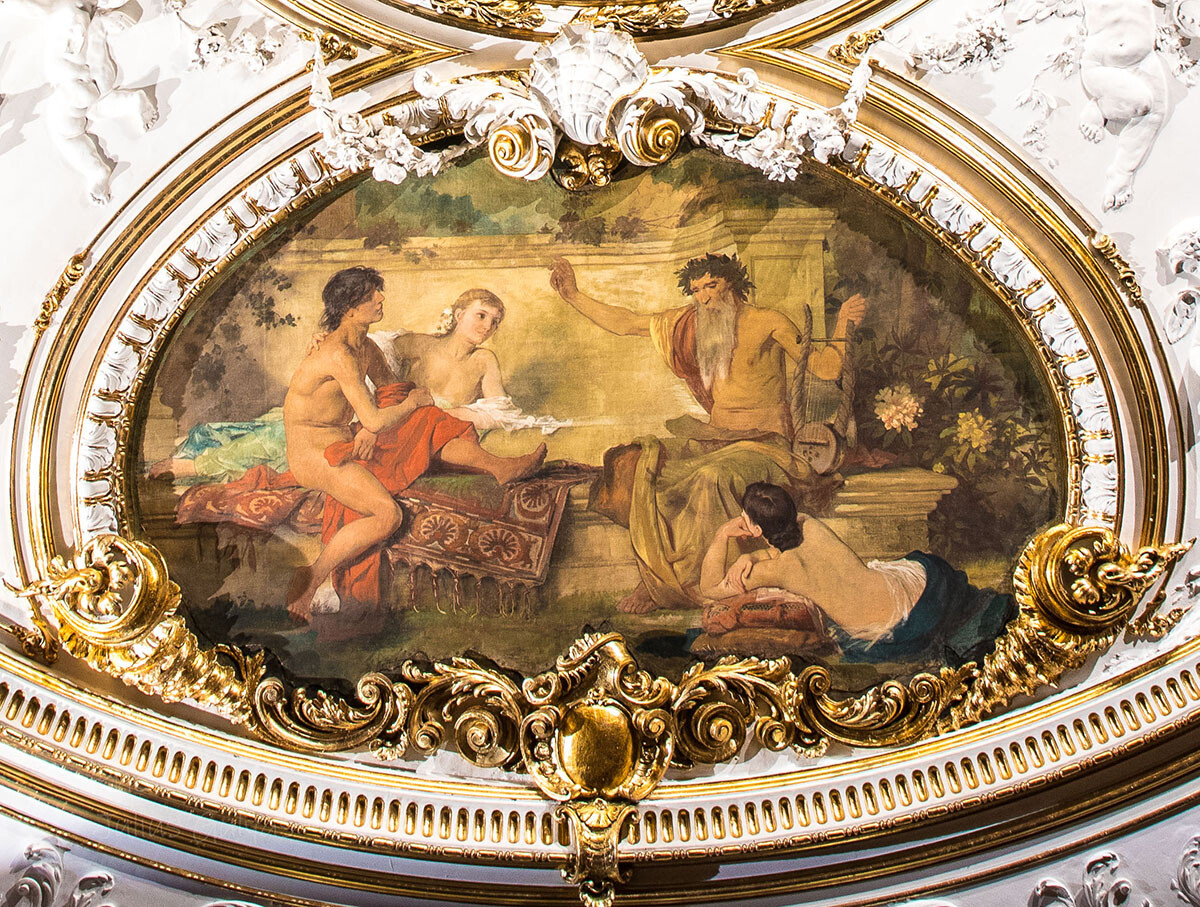
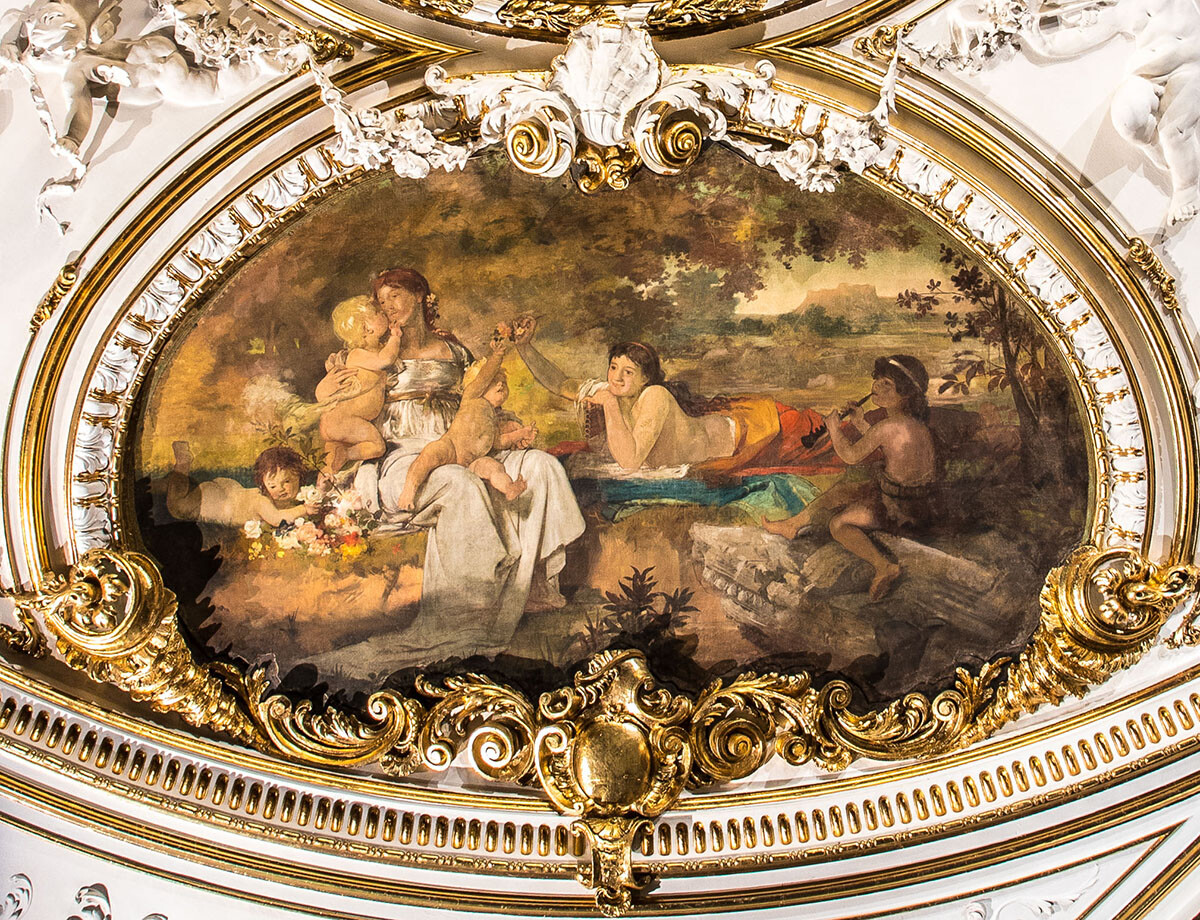
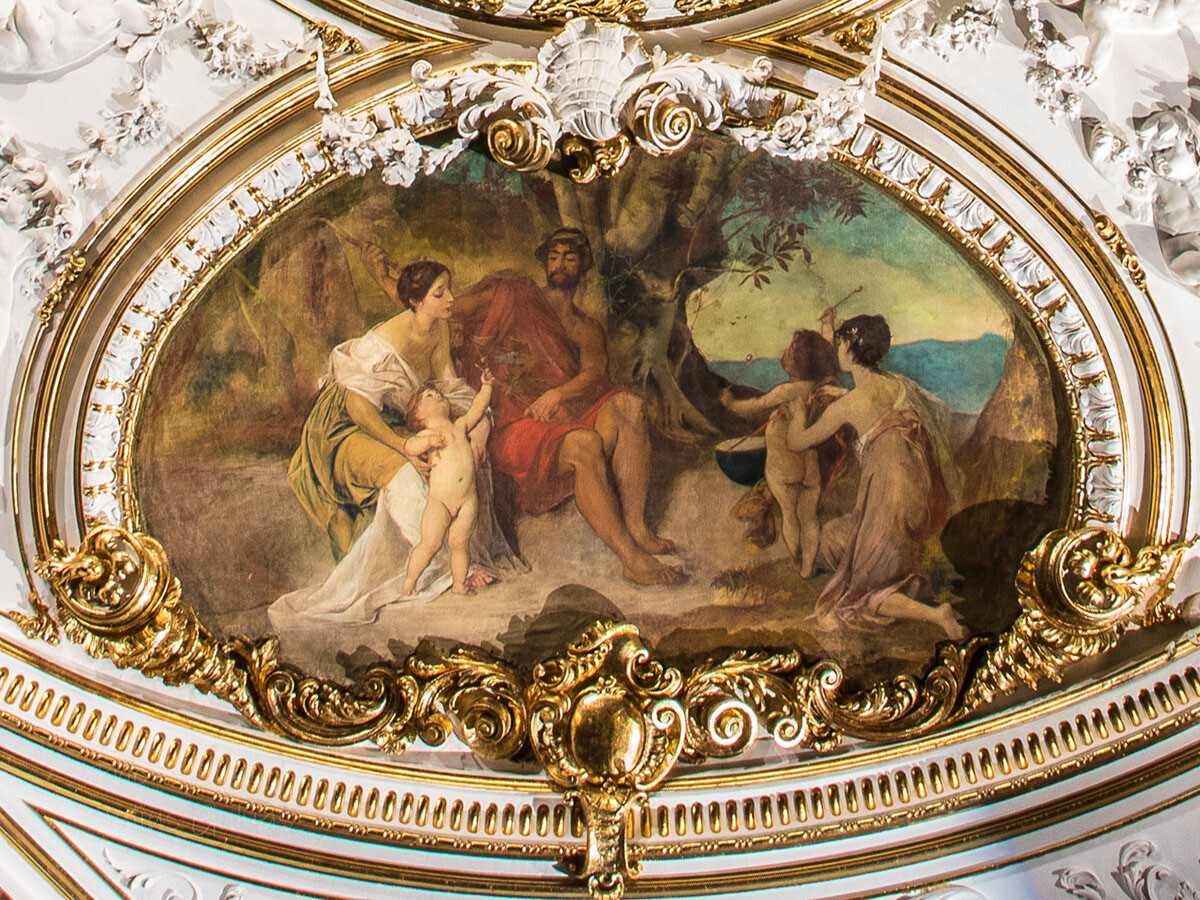
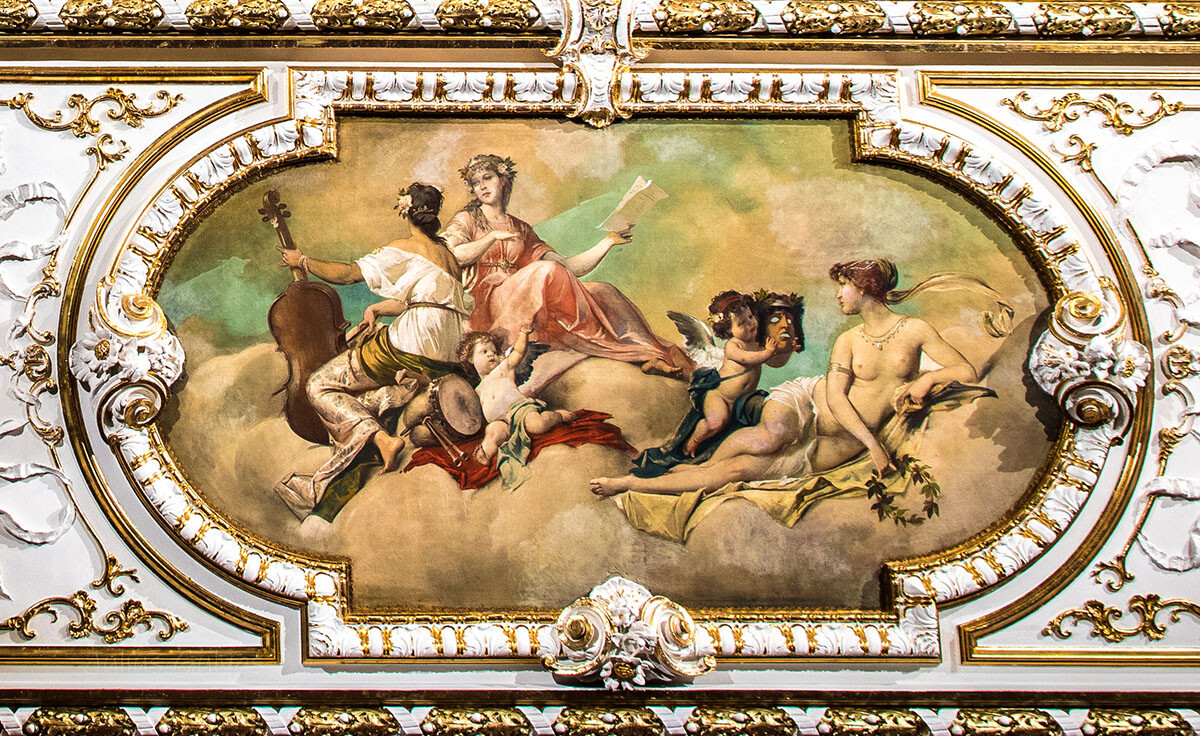
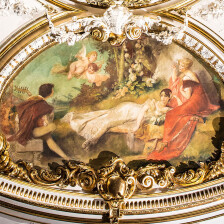
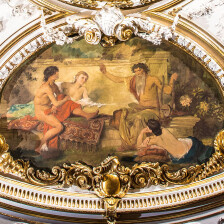
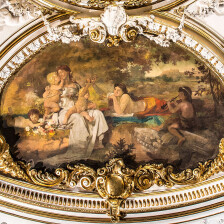
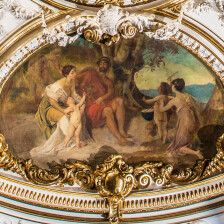
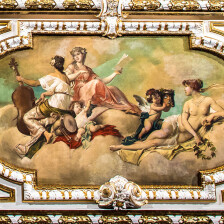
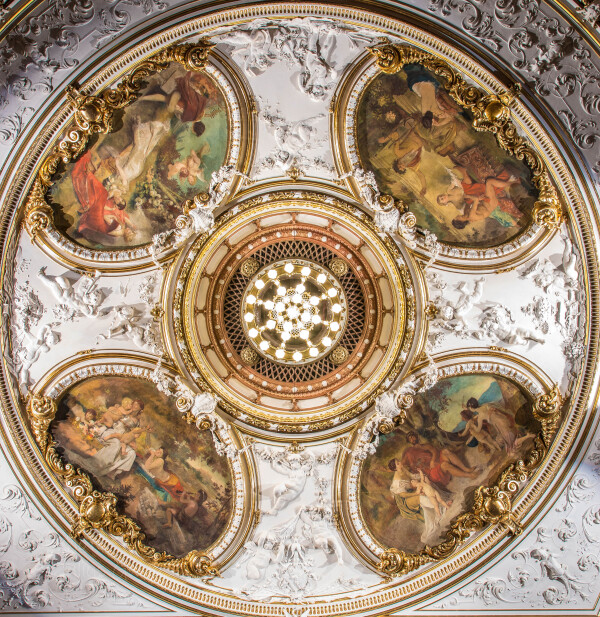
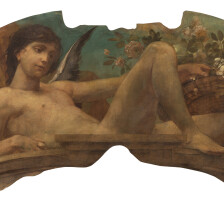
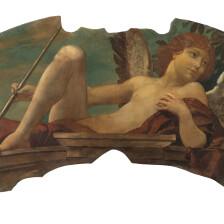
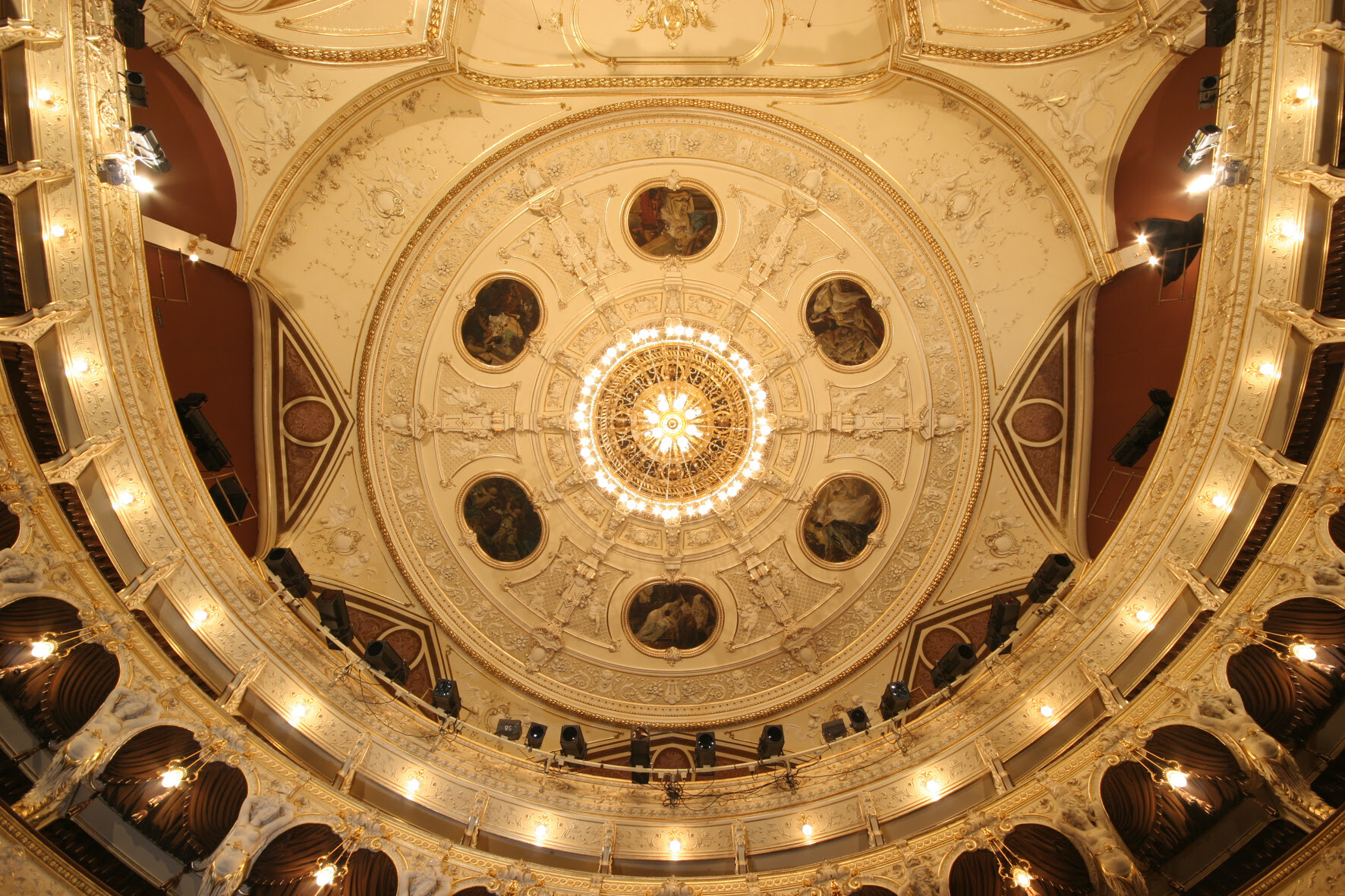
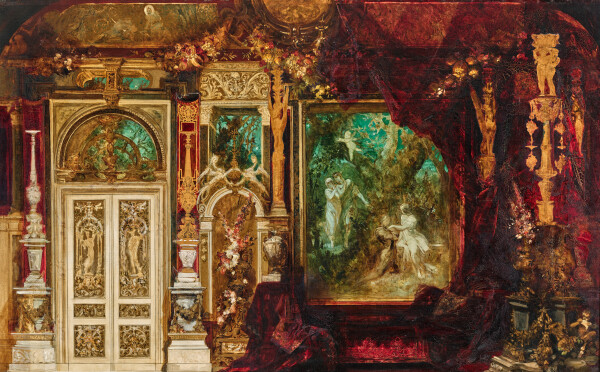
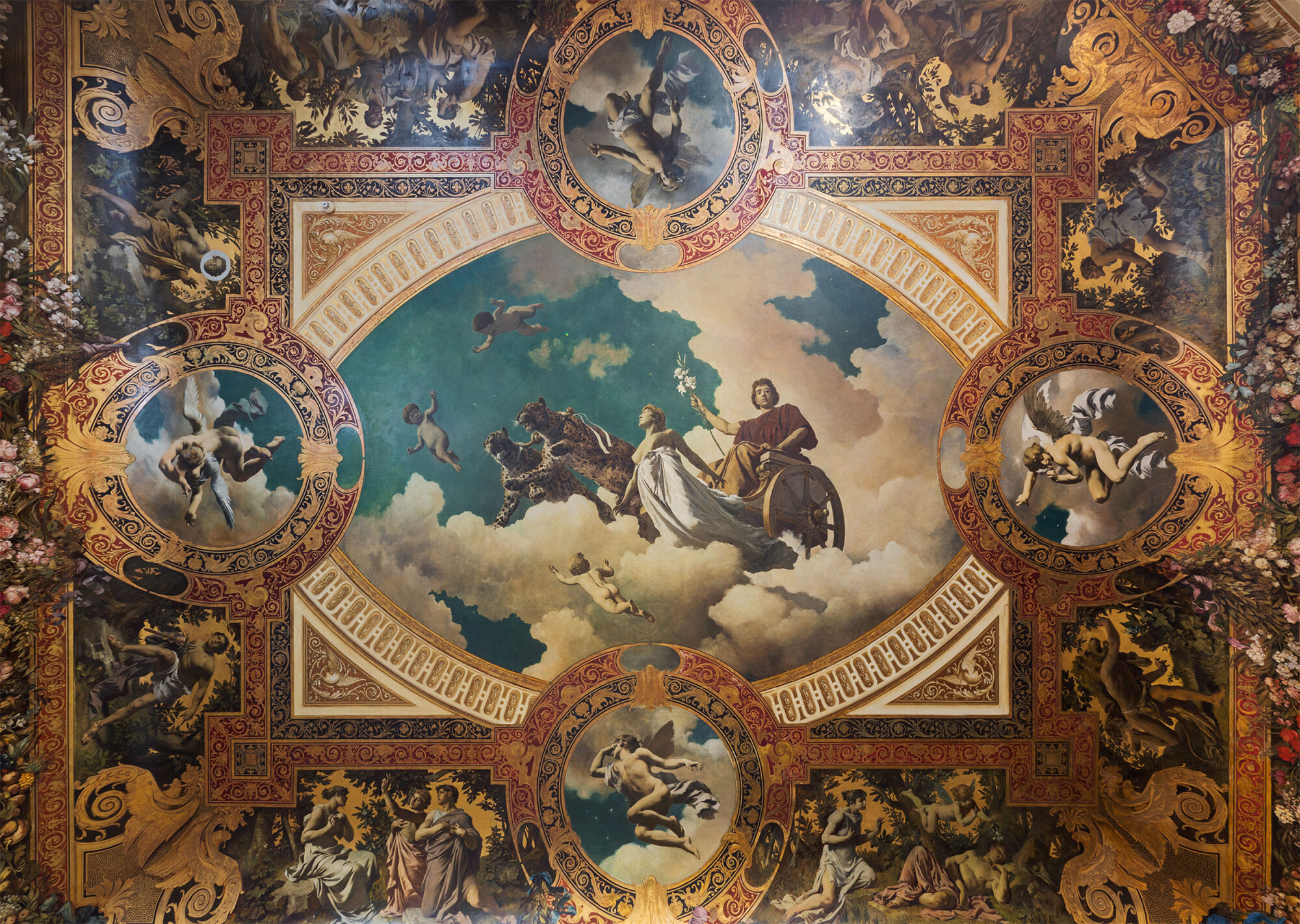
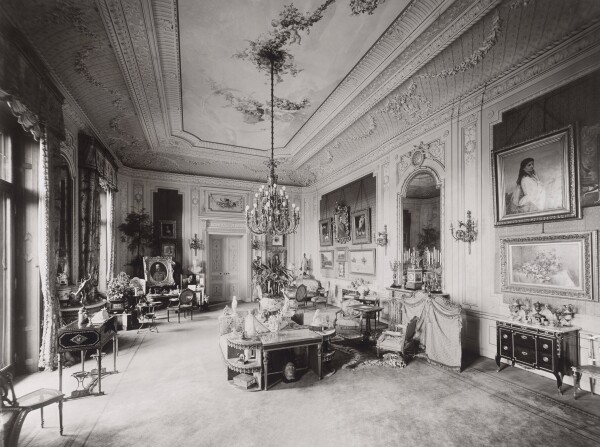
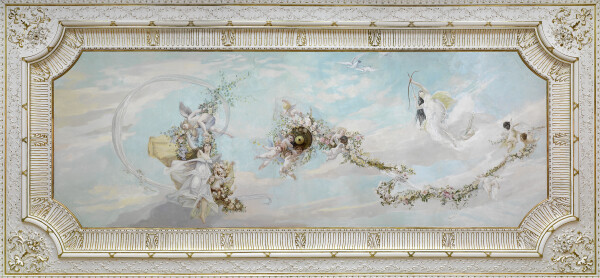
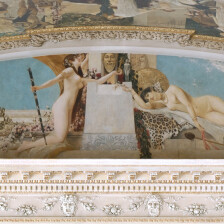
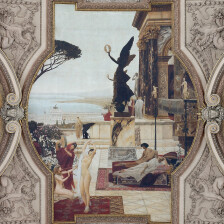
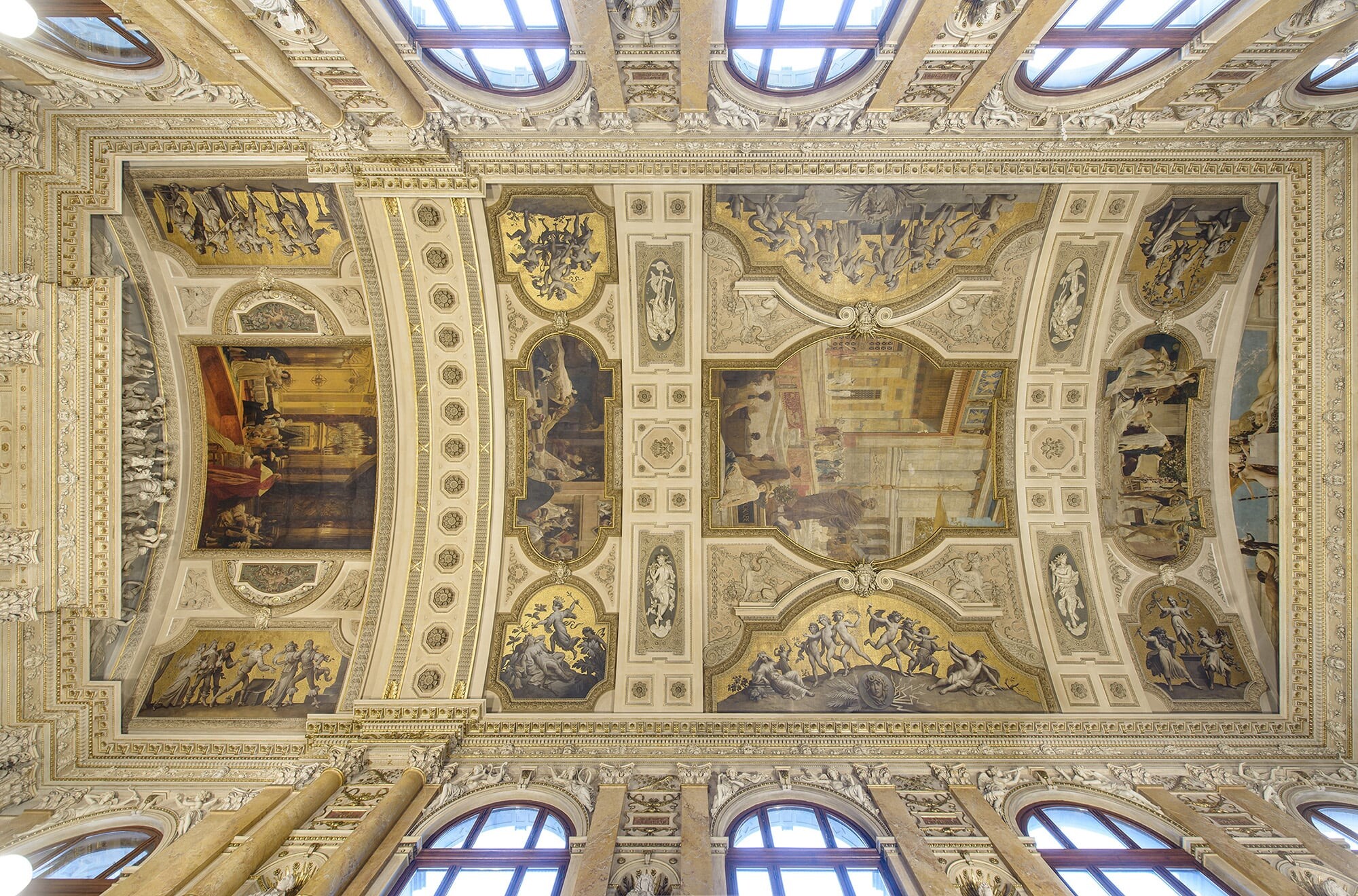
Ceiling ensemble in the Reichenberg Municipal Theater
© Divadlo F. X. Šaldy
Ceiling Paintings
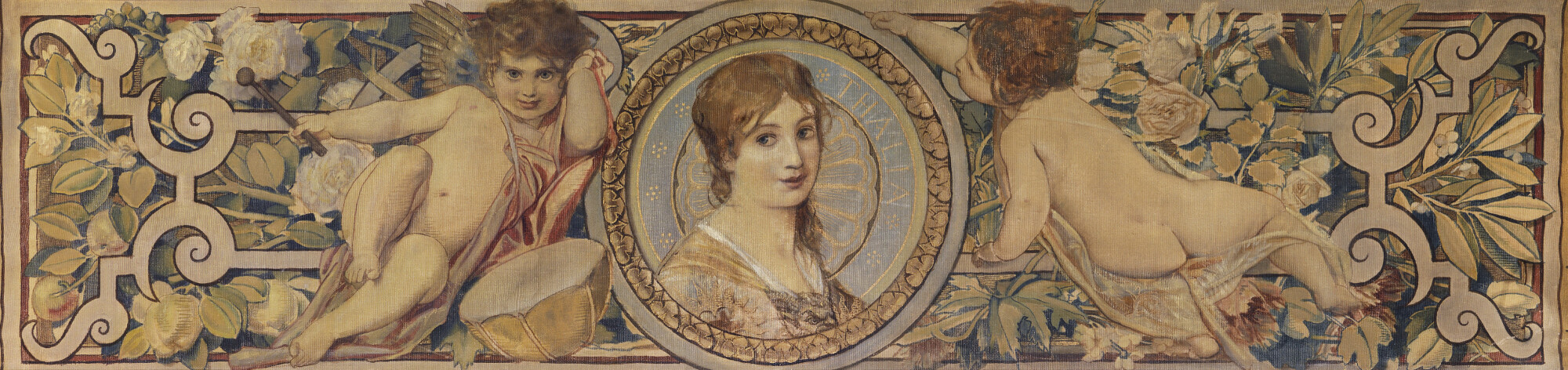
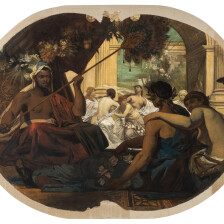
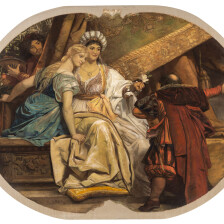
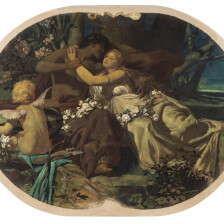
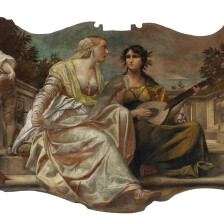
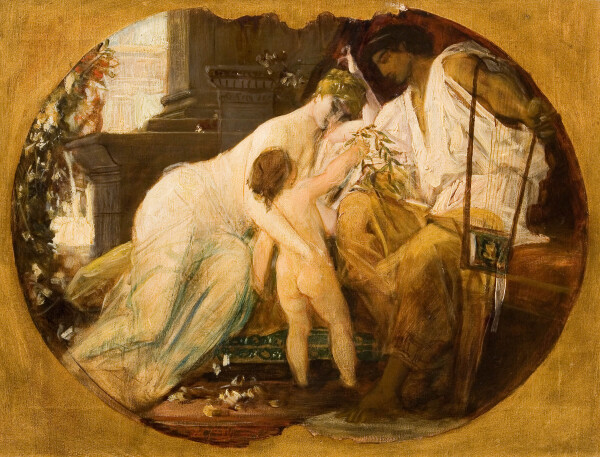
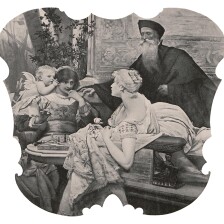
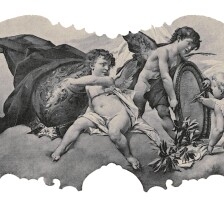
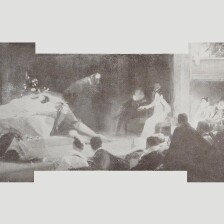
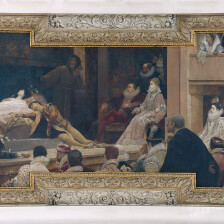
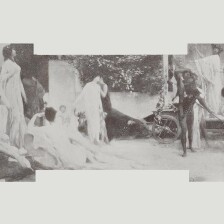
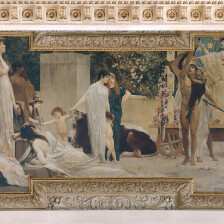
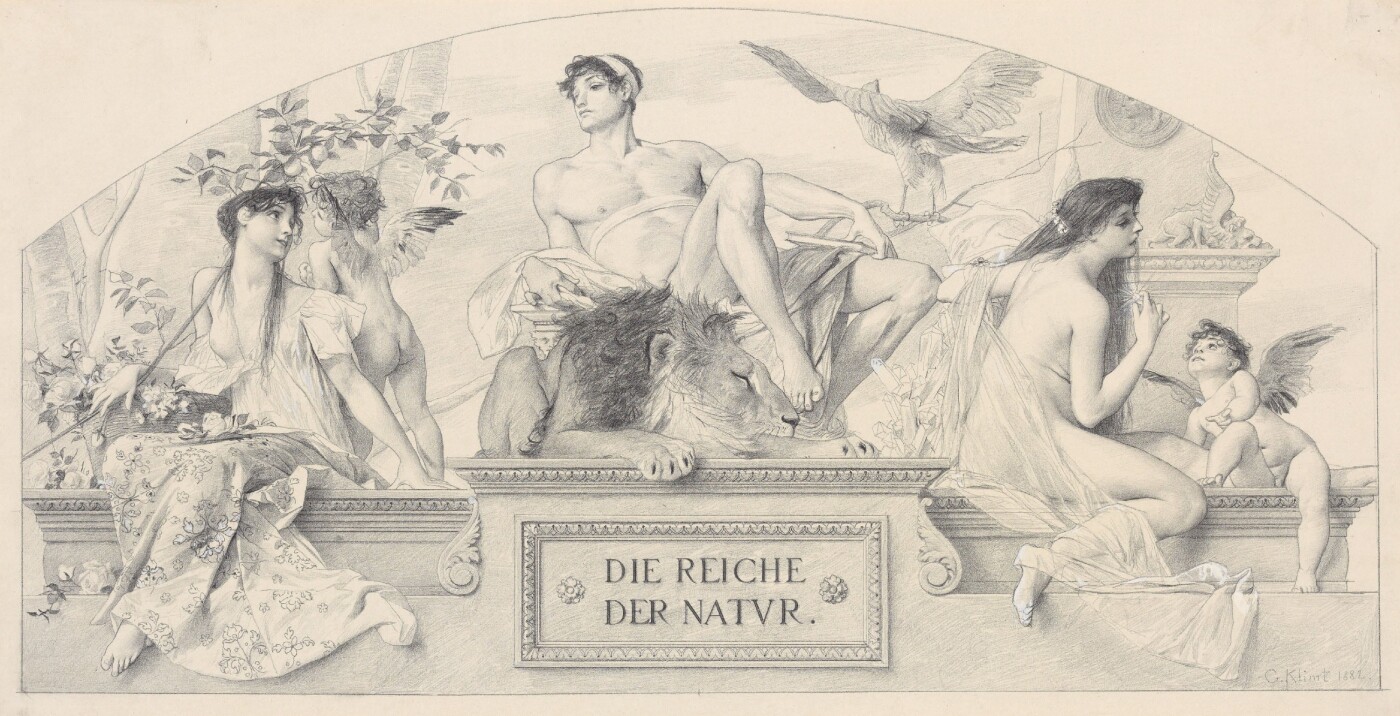
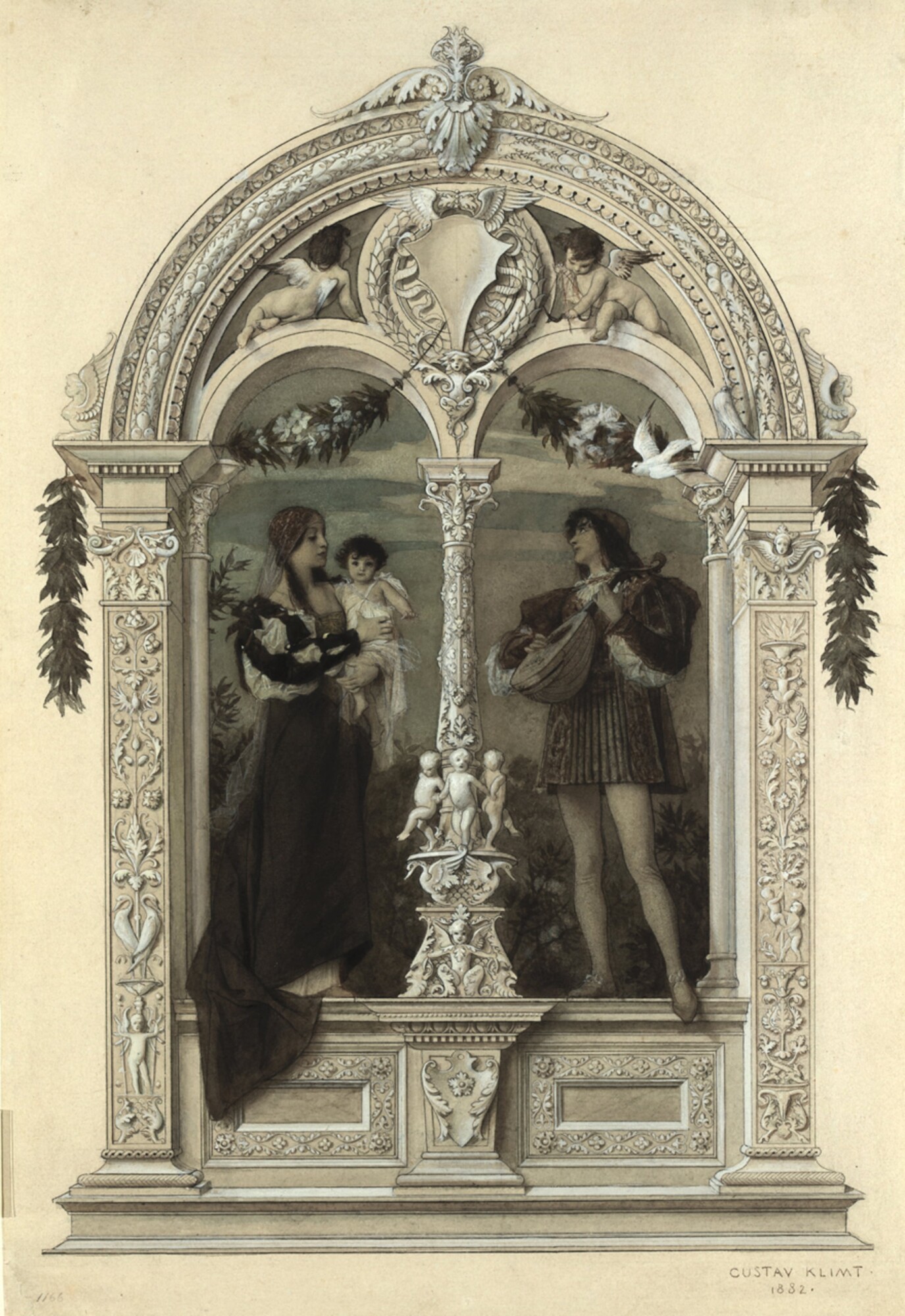
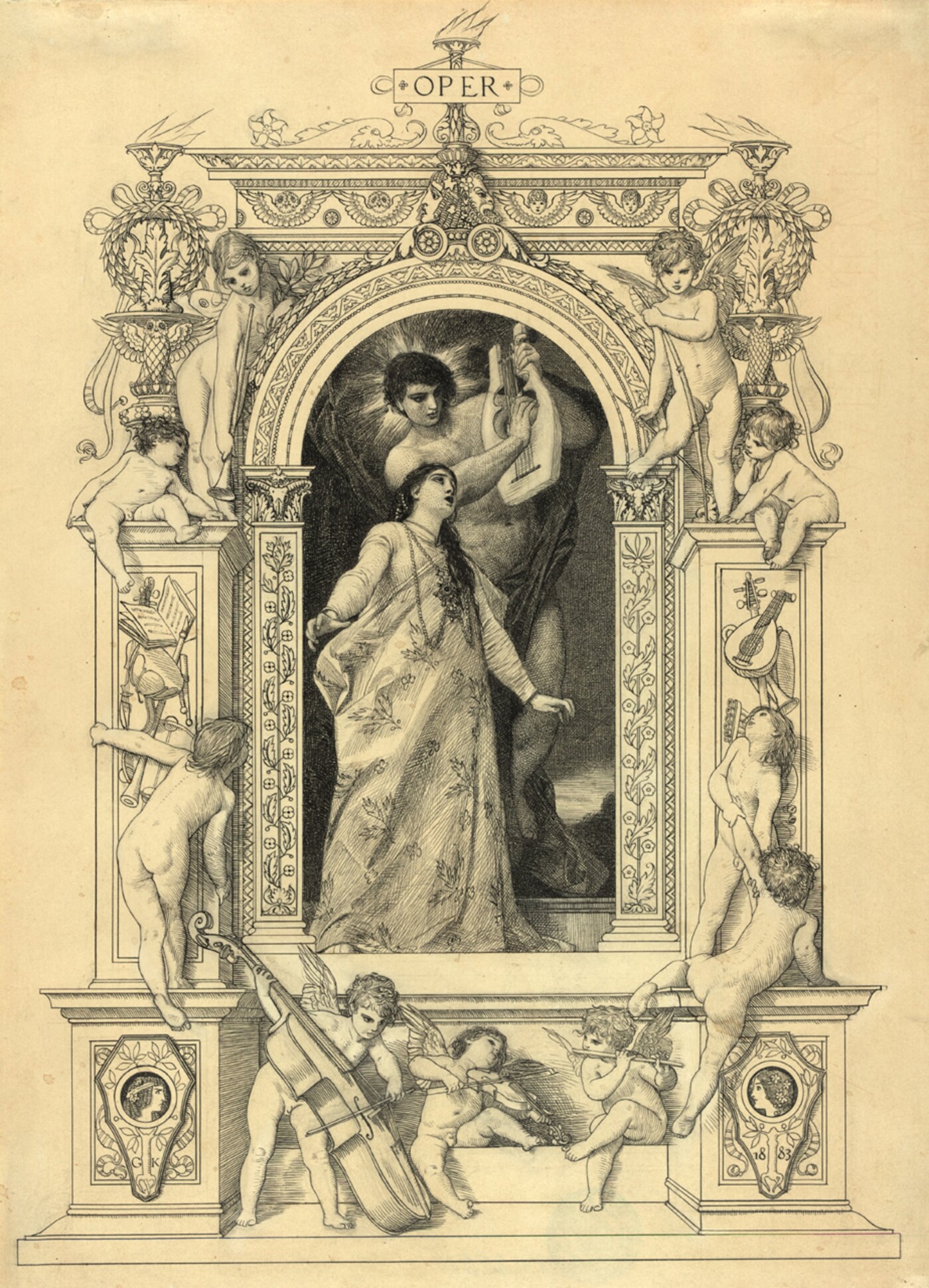
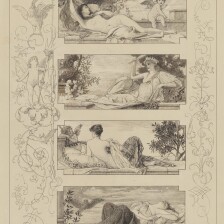
Along with the curtain, the three artists created four large ceiling paintings, as well as a proscenium painting for the auditorium. The latter was realized by Ernst Klimt, while Gustav Klimt and Franz Matsch created two works each for the ceiling. Owing to the marginal source situation, the precise circumstances surrounding the commission of these five works for Reichenberg have not yet been fully ascertained. A report from the Mittheilungen des k. k. Oesterreichischen Museums [Communications from the Imperial-Royal Austrian Museum of Art and Industry], dated 1 February 1883, merely states that the city council of Reichenberg approved the sketches designed by the Viennese painters Franz Matsch and the brothers Gustav and Ernst Klimt for the curtain and five ceiling paintings for the newly built municipal theater. The works could have been directly commissioned from Fellner & Helmer, though.
Presentation at the Imperial-Royal Austrian Museum of Art and Industry
Both the five ceiling paintings as well as the main stage curtain for Reichenberg were presented to the public for a few days at the Imperial-Royal Austrian Museum of Art and Industry (now MAK, Vienna). This was done at the initiative of the museum’s director Rudolf Eitelberger, among others. According to the Mittheilungen des k. k. Oesterreichischen Museums, the two exhibitions were shown from 16 to 19 March 1883 and from 1 to 2 September 1883. The very short duration of the presentations was due to the artists’ obligation to deliver the works.
Literature and sources
- Hana Seifertová-Korecká: Ein Frühwerk von Gustav Klimt – Der Theatervorhang in Reichenberg (Liberec), in: Alte und moderne Kunst. Österreichische Zeitschrift für Kunst, Kunsthandwerk und Wohnkultur, 12. Jg., Heft 94 (1967), S. 23-28.
- Mittheilungen des k. k. Österreichischen Museums für Kunst und Industrie. Monatsschrift für Kunst und Gewerbe, 18. Jg., Heft 209 (1883), S. 335.
- Mittheilungen des k. k. Österreichischen Museums für Kunst und Industrie. Monatsschrift für Kunst und Gewerbe, 19. Jg., Heft 220 (1884), S. 14-15.
- Mittheilungen des k. k. Österreichischen Museums für Kunst und Industrie. Monatsschrift für Kunst und Gewerbe, 18. Jg., Heft 217 (1883), S. 526.
- Mittheilungen des k. k. Österreichischen Museums für Kunst und Industrie. Monatsschrift für Kunst und Gewerbe, 18. Jg., Heft 211 (1883), S. 378.
- Die Presse, 23.06.1881, S. 11.
- Neue Illustrierte Zeitung, 04.06.1882, S. 570.
- Der Bautechniker. Centralorgan für das österreichische Bauwesen, 1. Jg., Nummer 36 (1881), S. 291.
- Wiener Allgemeine Zeitung, 08.09.1881, S. 5.
- Herbert Giese: Franz von Matsch – Leben und Werk. 1861–1942. Dissertation, Vienna 1976, S. 42-47.
- Historisches Museum der Stadt Wien (Hg.): Franz von Matsch. Ein Wiener Maler der Jahrhundertwende, Ausst.-Kat., Museums of the City of Vienna (Vienna), 12.11.1981–31.01.1982, Vienna 1981, S. 45-48.
- Wiener Allgemeine Zeitung, 08.11.1881, S. 3.
- Neue Freie Presse, 01.10.1883, S. 1.
- Teplitz-Schönauer Anzeiger, 03.10.1883, S. 5.
- Prager Tagblatt, 30.09.1883, S. 4.
- Brief von Franz Matsch in Wien an das Theaterbaucomité in Reichenberg, mitunterschrieben von Gustav Klimt (09.12.1882). VI. – Gd, 202, Signatur 709/4, Karton 188_2, .
- Brief von Franz Matsch in Wien an Carl Finke in Reichenberg, mitunterschrieben von Gustav Klimt (10/10/1882). VI. – Gd, 202, Signatur 709/4, Karton 188_1, .
- Brief von Franz Matsch in Wien an den Magistrat der Stadt Reichenberg, mitunterschrieben von Gustav Klimt (01/19/1883). VI. – Gd, 202, Signatur 709/4, Karton 188_9, .
- Brief von Franz Matsch in Wien an den Magistrat der Stadt Reichenberg, mitunterschrieben von Gustav und Ernst Klimt (vor dem 14.08.1883). VI. – Gd, 202, Signatur 709/4, Karton 188_6, .
- N. N.: Atelier Klimt und Matsch, in: Mittheilungen des k. k. Österreichischen Museums für Kunst und Industrie. Monatsschrift für Kunst und Gewerbe, 20. Jg., Heft 232 (1885), S. 308.
- Die Graphischen Künste, 35. Jg. (1912), S. 51.